

There is a curious enchantment surrounding mushrooms that has captivated humanity for centuries. Their otherworldly shapes, diverse colors, and uncanny ability to seemingly grow out of nowhere spark an innate fascination. This intrigue expands far beyond their biological role in ecosystems, seeping deeply into creative realms. More and more, mushrooms are emerging as revolutionary players in the world of art materials, redefining boundaries and inspiring profound narratives about sustainability, creativity, and the future itself.
The Ecological Alchemy of Mycelium: Nature’s Master Architect
At the heart of the mushroom’s transformative allure lies its mycelium — an intricate, fibrous network hidden beneath the surface of forest floors and decaying matter. This subterranean web is more than a fungal root system; it is a remarkable biological fabric that binds and transforms organic waste into new life. Artists and designers have harnessed mycelium’s capacity to grow, bond, and biodegrade, elevating it into a sustainable alternative to conventional materials like plastics, wood, and foam.
Unlike traditional materials that strain the environment, mycelium-based composites exhibit a unique biofabrication process that mimics nature’s cyclical wisdom. The mycelial network interacts with agricultural byproducts—such as sawdust, corn husks, or straw—and fuses them together into lightweight, yet resilient sheets and structures. This synergy epitomizes a new philosophy in material development: one that embraces regeneration rather than exploitation.
From Canvas to Creation: Mushrooms as a Revolutionary Medium
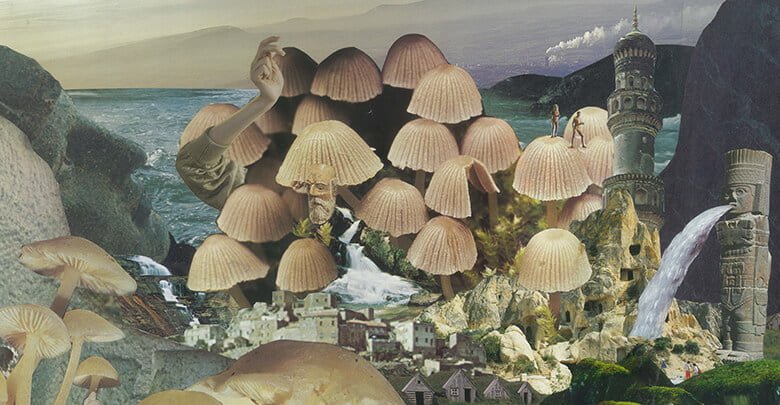
Artists have long sought novel mediums that push visual and tactile boundaries. The inherent versatility of fungi offers an unprecedented tactile dimension: living, evolving, responsive. Mushrooms have transcended traditional pigment and substrate roles to become dynamic collaborators in the creative process.
Experimental artisans grow mycelium into customized forms—sculptural installations, wearable art, and even architectural elements. The material’s textural diversity—ranging from soft, velvety mats to rigid, wood-like slabs—affords unparalleled freedom. The fungal matter itself becomes both the canvas and the brush, echoing ancient traditions reimagined through the lens of twenty-first-century innovation.
Sustainability at the Crossroads of Art and Industry
The environmental stakes of our era have never been higher, and fungi present an elegant, ecologically sound alternative to pollutive manufacturing methods. By integrating mushroom-derived materials into artistic production, creatives champion a circular economy where end-of-life biodegradability and minimal carbon footprints are paramount.
Furthermore, mycelium’s rapid growth cycle dramatically reduces the resource intensity typically associated with material fabrication. This expeditious regeneration accelerates creative workflows, empowering artists to prototype and iterate with eco-conscious speed. The result is a burgeoning ecosystem where artistry and environmental stewardship are intrinsically linked, fostering hope for a less wasteful future.
Cultural Symbolism and the Mystique of Mushrooms in Art
The fungus holds a mythical and symbolic weight that transcends its biological function. In folklore and spiritual practices worldwide, mushrooms evoke themes of transformation, mystery, and interconnectedness. This symbolic reservoir inspires visual storytellers and conceptual artists to explore the enigmatic nature of existence and the hidden symbioses within life’s cycles.
By incorporating fungal elements, artists invite audiences into a dialogue that bridges ancient wisdom and contemporary concerns. The transient life of mushrooms, with their sudden emergence and quick decay, becomes a metaphor for impermanence and the delicate interdependence between humans and the natural world.
Future Horizons: Innovation and Art Material Synergy
Research into fungally derived materials continues to expand, merging artistic innovation with cutting-edge science. Bioengineers and creatives collaborate to enhance the durability, texture, and form of mushroom composites, unlocking new possibilities. This convergence breathes life into interdisciplinary approaches that reimagine not only what art is made from but how it connects us to the biosphere.
Predictively, the mushroom’s role in art materials is only set to grow. Emerging techniques in genetic tailoring and mycelial cultivation promise materials with bespoke properties—such as fluorescence, enhanced pliability, or self-healing abilities—offering artists entirely new horizons for expression and material engagement.
As our world confronts the urgent demand for sustainable innovation, mushrooms stand at a crossroads of possibility—rooted in ecological wisdom while sprouting boundless creativity. The future is undeniably fungi, and in embracing this fungal renaissance, art evolves from mere aesthetic exercise into an act of symbiotic creation, weaving together the threads of biology, culture, and imagination in mesmerizing new forms.


Leave a Comment