

What if the ancient majlis, long known as a sanctuary of dialogue, hospitality, and cultural exchange, underwent a metamorphosis to become the vibrant heart of a rapidly evolving art scene? Could these traditional gathering spaces, steeped in history, transform into crucibles for modern creative patronage? Welcome to the unfolding narrative of the new patrons: an intimate glimpse inside the majlis of Gulf art collectors, where heritage meets innovation, and passion for art transcends mere acquisition.
The Majlis: More Than Just a Meeting Place
The majlis, historically a social nucleus in Gulf societies, is far from a static tradition. It is an arena pulsating with intellectual energy, a space where ideas flow as freely as the Arabic coffee poured with meticulous care. But in the present-day trajectory of Gulf art collectors, the majlis assumes a rejuvenated role—transforming from a customary assembly locale into a dynamic hub of artistic discourse and patronage.
Within these exquisitely personalized rooms, walls adorned with traditional Arabic calligraphy and contemporary masterpieces alike, collectors converge not simply to admire art but to connect deeply with the creative ethos behind each piece. It is here that relationships between artists and patrons are nurtured, fostering an ecosystem where innovation blooms.

Navigating the New Wave of Collectorship
Does the rapid influx of new wealth and modern sensibilities dilute the sanctity of traditional patronage, or does it invigorate it with novel perspectives? This question reverberates through the halls of Gulf majlis gatherings. The new generation of collectors, often tech-savvy and globally connected, approaches art with a hybridized vision—respecting age-old aesthetics while embracing contemporary narratives.
These patrons wield their influence not only by acquiring pieces but by championing emerging artists, curating exhibitions, and investing in cultural incubators. In this role, the majlis morphs into a strategic think tank, where decisions that shape the artistic landscape are deliberated with thoughtful fervor.

A Kaleidoscope of Artistic Expression
Within these intimate yet vibrant spaces, the diversity of art forms displayed is as eclectic as the patrons themselves. From intricate Arabic calligraphic works that echo centuries of Islamic heritage to avant-garde installations and experimental digital art, the majlis serves as a microcosm of the Gulf’s multifaceted cultural identity.
What emerges is a fascinating dialogue between tradition and disruption. The walls bear witness to this dialogue as collectors passionately debate the merits of each piece, evaluating not only its aesthetic resonance but its cultural and symbolic significance—a testament to their discerning taste and deep-rooted appreciation of artistic legacies fused with modernity.
Inside The Art Majlis: A Confluence of Creativity and Commerce
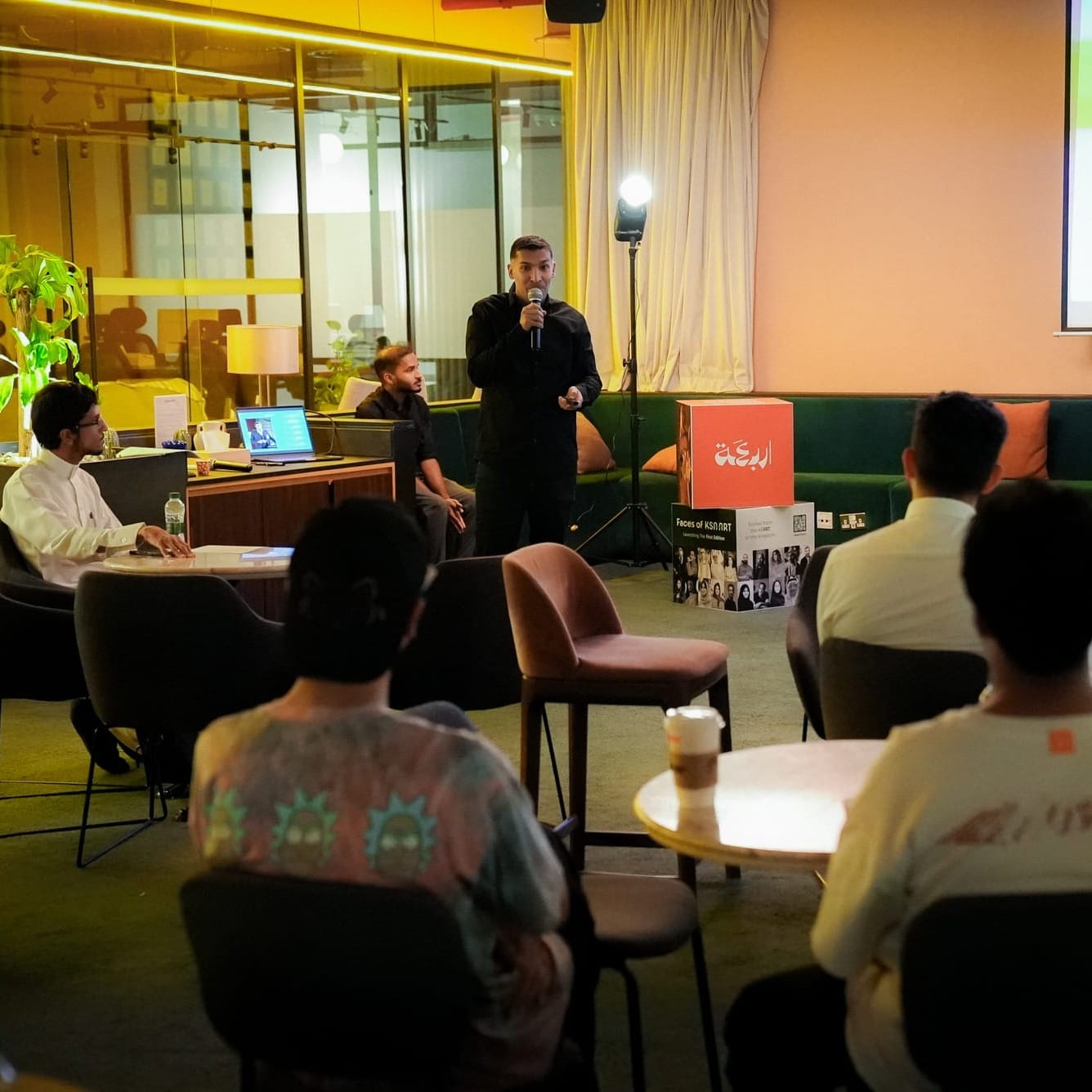
Stepping into Riyadh’s newer art majlis spaces reveals much more than art on display. These environments foster vital interactions between creative minds and their patrons, essentially becoming incubators for ideas that transcend the limitations of gallery walls. Here, the boundaries between commerce and creativity blur, forging partnerships that are as much about nurturing artistic innovation as they are about financial investment.
Such encounters are ripe with potential challenges. How does one balance the commercial dynamics with genuine artistic support? How do collectors maintain authenticity without commodifying culture? Within the majlis, answers to these complex questions are not definitive but rather evolve through continuous dialogue, shaping an ever-adaptive patronage model that respects both artistry and sustainability.
The Majlis as a Beacon for Cultural Renaissance
Envision the majlis not simply as a social gathering but as a beacon guiding a cultural renaissance across the Gulf. These spaces embody a powerful narrative of identity, tradition, and progress, drawing a new map of artistic exploration and patronage. By embracing diverse art forms and fostering cross-cultural collaborations, the majlis becomes a catalyst for regional and global artistic dialogue.
The enthusiasm found within these walls is contagious, inspiring both artists and collectors to venture beyond conventions and imagine bolder possibilities. Here, art is more than a possession; it is a living dialogue—a bridge between the venerable past and the burgeoning future.
Conclusion: Embracing the Majlis of Tomorrow
Could the revitalized majlis be the answer to sustaining a vibrant, authentic Gulf art scene in an era of rapid change? As the new patrons gather beneath its roof, exchanging ideas, negotiating challenges, and celebrating creativity, the majlis asserts its place not just as a ceremonial tradition but as the heartbeat of the Gulf’s cultural renaissance. For those who step inside, it offers an invitation—to be part of a narrative where every brushstroke and whispered conversation weaves together the future of art and patronage in this richly historic region.


Leave a Comment