

Is the art world ready for a revolution that redefines not just what we see, but how we perceive the global art ecosystem? The Sharjah Biennial, nestled in the heart of the United Arab Emirates, is rapidly emerging as a compelling and vibrant alternative—a bold contender challenging established artistic conventions dominated by Western-centric paradigms. This isn’t just another biennial event; it’s a crucible of cross-cultural dialogues, experimental fervor, and a rejuvenated narrative that beckons us to rethink artistic boundaries.
The Genesis of a Cultural Phenomenon
Since its inception, the Sharjah Biennial has grown into a luminous beacon of contemporary art, illuminating perspectives often left in the shadows. It began modestly but with a visionary ethos: to foster an artistic platform that celebrates diversity, provokes critical inquiry, and animates the regional heritage in a global discourse. This transformative mission challenged the monolithic art hubs and introduced a refreshing paradigm—one where multiplicity thrives and innovation is nurtured.
The biennial’s location is not incidental. Sharjah, a city renowned for its cultural stewardship and rich heritage, provides fertile ground for this artistic renaissance. The city’s commitment to integrating heritage with contemporary expressions generates a unique atmosphere—a living laboratory for artistic experimentation that is simultaneously local and universal.
Redefining the Global Art Landscape
What sets the Sharjah Biennial apart from its more entrenched counterparts? It is its unyielding commitment to inclusivity and the amplification of underrepresented voices. The biennial embraces a kaleidoscopic array of artists from diverse geographies, many hailing from the Global South, who inject fresh narratives and challenge hegemonic cultural discourses. This creates an intricate tapestry that destabilizes traditional art world hierarchies and fosters equitable dialogue.
Moreover, the curatorial approach itself is avant-garde, often defying linear storytelling and conventional exhibition formats. Curators orchestrate a choreography of ideas and forms that invite viewers to traverse not just physical spaces, but conceptual landscapes—where art is a catalyst for social reflection, political commentary, and philosophical exploration.
A Playground for Experimental and Immersive Art
The Sharjah Biennial is not content with mere visual spectacle—it is a pulsating experimental playground. Artists engage in interdisciplinary practices ranging from installation, performance, digital media to sound art, often incorporating local materials and contexts. This fosters a dynamic interplay between art and environment that transcends passive observation.
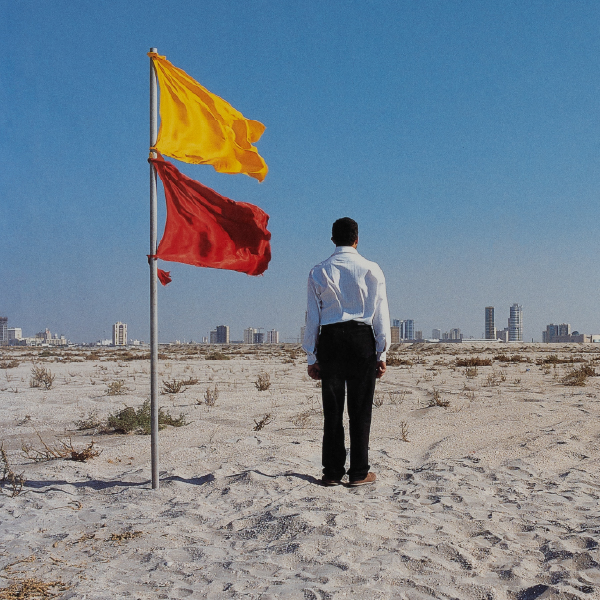
Visitors find themselves immersed in environments that challenge perceptual norms and invite active participation. Each iteration of the biennial breaks molds and invites us into uncharted experiential realms. This sensory engagement engenders a deeper emotional and intellectual resonance with the art, reflective of the biennial’s commitment to evolving art beyond conventional confines.
Navigating Socio-Political Currents
In an era where art and activism increasingly intertwine, the Sharjah Biennial positions itself at the nexus of cultural and socio-political inquiry. It dares to grapple with pressing global issues—migration, identity, climate change, and the postcolonial condition—through nuanced and often poetic articulations. This is a biennial that does not shy away from discomfort or controversy but embraces them as vital components of artistic discourse.
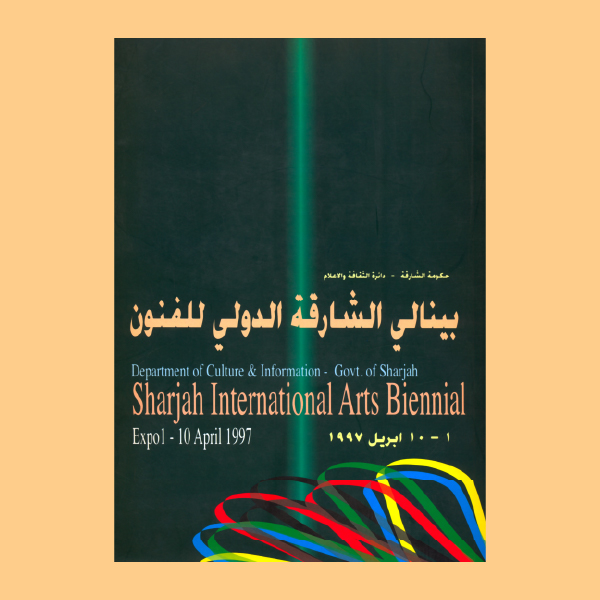
The risk-taking inherent in this approach establishes the biennial as a crucible for critical discourse, pushing boundaries beyond aesthetic appreciation into the realm of tangible societal impact. It challenges the notion that art can be neutral and instead posits it as a potent vehicle for change.
Challenges and Opportunities Ahead
Yet, is this rising star without challenges? Questions linger about sustainability, geopolitical tensions, and the balancing act between artistic freedom and local cultural sensitivities. The Sharjah Biennial must navigate these complexities deftly to maintain its momentum as a progressive force. The task of continually reinventing itself while remaining rooted in its foundational principles is no small feat.
Nonetheless, these challenges are interwoven with opportunities. The biennial’s growing international stature invites expanded collaborations and audience engagement, fostering a vibrant exchange that can enrich both the region and the broader art ecosystem. It is poised to be a pivotal player in shaping the future trajectories of contemporary art.
Crafting a Global Dialogue Through Regional Roots
One of the biennial’s most compelling achievements is its uncanny ability to meld the local with the global. It catalyzes a dialogue that honors the region’s distinct heritage while simultaneously engaging with global artistic conversations. This confluence births works of art that are richly layered—embracing historical memory, cultural identity, and futuristic imagination.
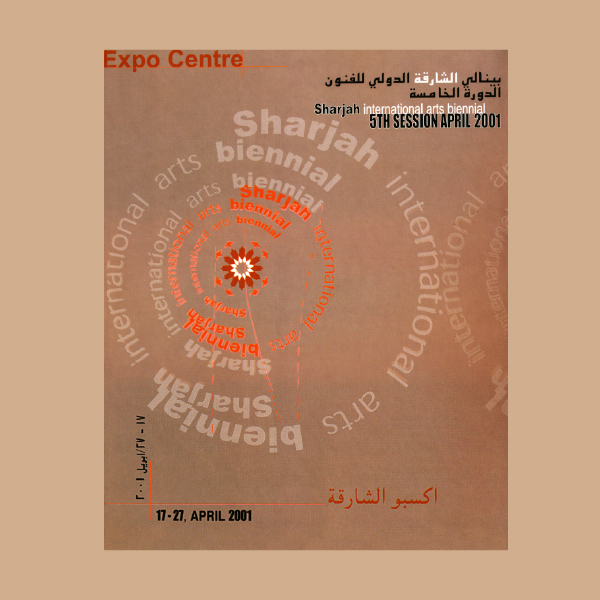
Such a synthesis challenges the often homogenized global art narrative, encouraging audiences worldwide to appreciate nuances and multiplicities. It reasserts the importance of context in art and invites us to see the interconnectedness of our world through a fresh lens.
As the Sharjah Biennial continues to carve out its distinct identity, it does more than fill a niche—it disrupts and reinvigorates. It invites us all to ponder: can an art world steeped in tradition truly embrace such radical plurality? The answer may well determine the trajectory of contemporary art in the years to come. One thing is certain—the Sharjah Biennial has arrived, not merely as an alternative but as a formidable, exhilarating force reshaping the contours of artistic expression and experience.


Leave a Comment