

In the kaleidoscopic panorama of the contemporary art world, 2026 emerges as a beacon, heralding the “Year of the Gulf.” This isn’t merely a calendar milestone; it represents a shimmering confluence of culture, innovation, and unprecedented artistic vitality rooted in the Gulf region. Like a masterful brushstroke across a vast canvas, the Gulf’s artistic landscape is being reimagined, illuminated, and embraced on a global stage. To understand this metamorphosis, one must navigate through the intricate tapestry of geopolitical evolution, cultural investment, and visionary ambition that elevates the Gulf from a peripheral player to a pulsating epicenter of the art universe.
The Gulf: A Rising Constellation in the Art Firmament
The Gulf region, long envisioned as an economic titan thanks to its oil wealth, is pivoting impressively toward cultural capital. This shift resembles the sun’s gradual ascent, casting new light and warmth across once dimmer horizons of artistic discourse and production. Nations such as the United Arab Emirates, Qatar, and Saudi Arabia are no longer merely collectors of global art but are becoming curators and creators of a dynamic, indigenous narrative that radiates sophistication and historical depth.
With ambitious mega-projects like the Guggenheim Abu Dhabi and the expansion of the Louvre’s footprint in the region, the Gulf is crafting a cultural ecosystem as vivid and sprawling as a desert oasis blooming after a rare rainfall. These institutions serve not only as repositories of art but as crucibles where tradition and contemporary expressions fuse, capturing a spectrum of human creativity unparalleled in scale.

Art Basel 2026: A Catalyst Igniting Artistic Renaissance
The arrival of Art Basel to the Gulf region in 2026 is akin to the lighting of a colossal beacon, drawing artists, collectors, and critics into a shared orbit of inspiration and exchange. The fair is more than a mere marketplace. It stands as a vibrant agora where global and Gulf-based artists engage in an electrifying dialogue, challenging perceptions and fostering a fertile ground for creativity.
Art Basel’s choice to anchor itself here underlines the Gulf’s rapid transformation—from a sphere of economic prowess to an artistic crucible pulsating with energy. The event is a grand symposium where tradition is not overshadowed but rather celebrated and reframed through contemporary lenses, infusing every exhibit and interaction with deep heritage tied to desert landscapes, maritime histories, and modern cosmopolitanism.
Investment and Infrastructure: The Gulf’s Art Ecosystem Blossoms
Behind the dazzling spectacles and luminous galleries lies an intricate web of investment and infrastructure, meticulously woven to support and sustain this burgeoning artistic milieu. Governmental patronage coupled with private philanthropists orchestrates a symphony of funding that fuels museum constructions, artist residencies, and international collaborations.
The result is a thriving ecosystem that resembles an architectural marvel, with each institution and initiative acting as a vital column supporting the grand edifice of Gulf art culture. This investment is not superficial; it signals a deep, strategic commitment to embedding the Gulf firmly into the global artistic vocabulary. The region’s art market, once nascent and cautious, is now charging forward with electric zeal, attracting international buyers and stampeding conventions alike.
Indigenous Narratives and Global Dialogues: A Fusion of Voices
The unique appeal of the Gulf’s art scene lies in its compelling amalgamation of indigenous narratives intertwined with global perspectives. Artists from this region are akin to poets wielding brushes and lenses, capturing the interplay of ancient Bedouin traditions with the hypermodern urban pulse.
This fusion engenders artwork that is simultaneously rooted and transcendental. It offers viewers an immersive experience, much like navigating a labyrinth of symbolism and storytelling, where every corridor reveals fragments of identity, memory, and aspiration. The global art world, hungry for fresh vistas, finds in the Gulf a richly textured mosaic that defies simplistic categorizations.
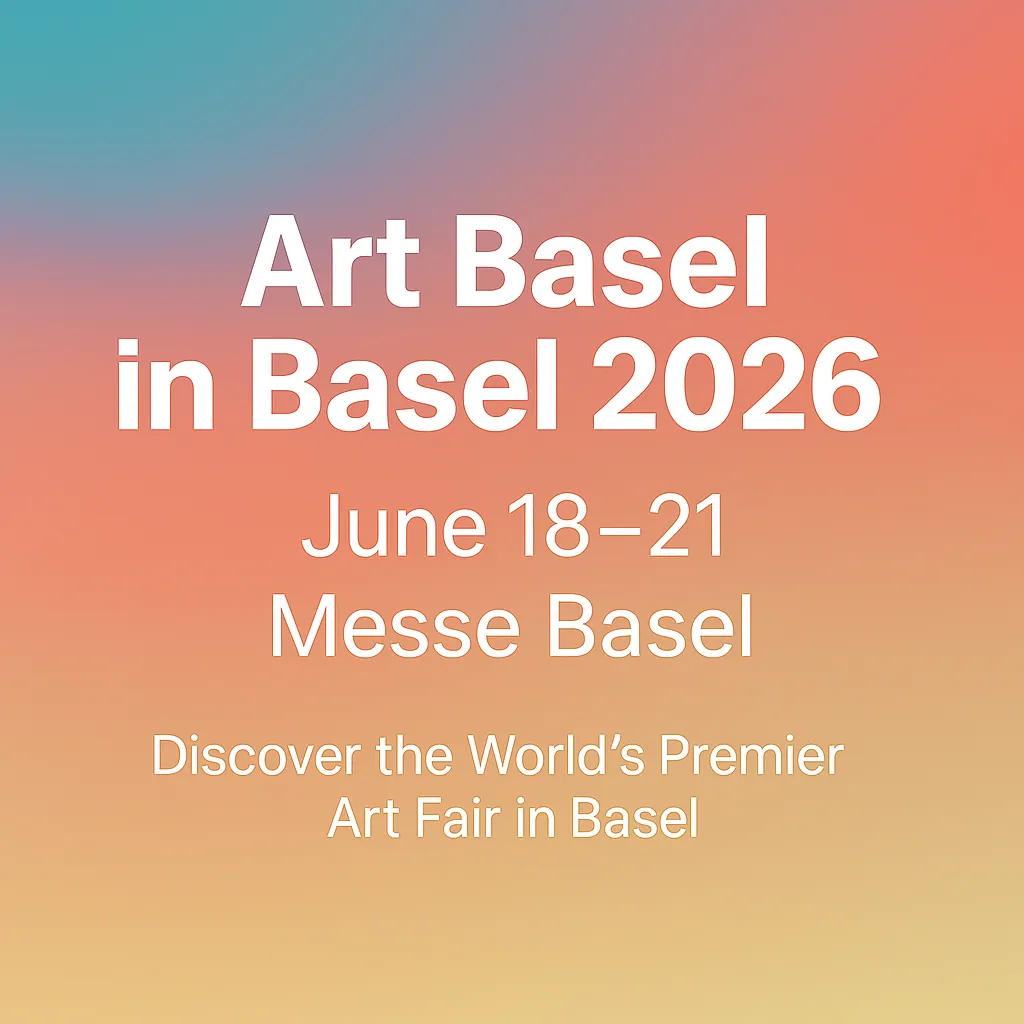
2026: A Pinnacle Year Forging Future Trajectories
The year 2026 acts as a crucible, synthesizing decades of gestation into a resplendent moment of cultural efflorescence. It is akin to the summit of a mountain peak, offering breathtaking vistas of what has been achieved and illuminating paths for what is yet to be explored. The anticipated influx of global artists, curators, collectors, and audiences will not only heighten the region’s prestige but fundamentally reshape the global artistic economy and its narratives.
Moreover, this milestone year crystallizes the Gulf’s resolve to forge an inclusive, diverse, and innovative art scene that respects its heritage while embracing futurism. The ripple effects will undoubtedly reverberate across continents, inspiring new collaborations, exhibitions, and creative dialogues that challenge and enrich the global cultural landscape.
Conclusion: The Gulf as a Living Canvas of Global Artistry
As 2026 unfurls, it promises to be more than a date on the calendar—it is the dawn of a new epoch where the Gulf region emerges as a living canvas, vibrant with strokes of genius and echoes of timeless heritage. This spectacular surge into the heart of the art world heralds fresh dialogues and dynamic interactions that will reshape not only perceptions but the very essence of artistic endeavor.
The Gulf does not merely host art; it inhabits it, breathing life into every corner with a fervor that commands attention and admiration. Like a desert wind that carries both the tales of old and the seeds of tomorrow, 2026 invites the world to witness an extraordinary artistic renaissance—an epoch where the Gulf ascends as a luminous star, guiding the future of global culture.


Leave a Comment