

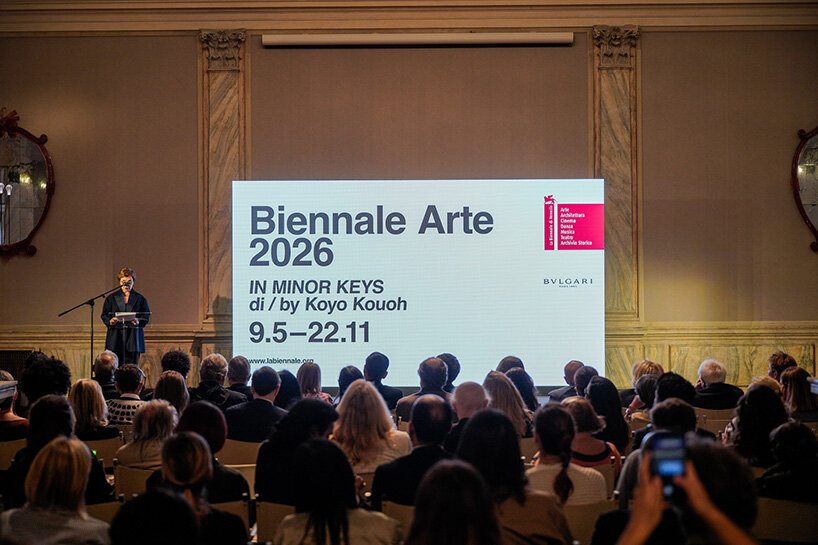
The Venice Biennale, the world’s most prestigious art exhibition, has long been a crucible of avant-garde thought, where the boundaries of visual culture are not just tested but shattered. As the 2026 edition looms on the horizon, whispers of a radical thematic shift have begun to ripple through the art world. The theme, ‘In Minor Keys’, is not merely a curatorial choice—it is a provocation, a sonic metaphor for the subtle, the overlooked, and the introspective. It promises to recalibrate our gaze, inviting us to perceive the Biennale not as a cacophony of competing voices, but as a symphony of whispers, where each pavilion resonates in a hushed, contemplative minor key.
At the heart of this transformation lies an audacious proposition: the Pavilion of Minor Key Floral Pop. This conceptual space, though not yet physically constructed, exists as a living idea—an ephemeral garden of thought where flora and artistry intertwine to challenge our perceptions of beauty, decay, and renewal. It is a space where the ephemeral meets the eternal, where the delicate petals of pop culture brush against the weighty legacy of classical art. To step into this pavilion is to embark on a journey through a landscape that is both familiar and alien, a place where the scent of blooming flowers mingles with the electric hum of contemporary creativity.
The Minor Key as a Curatorial Manifesto
The choice of a minor key as the Biennale’s thematic foundation is a deliberate subversion of expectation. In music, a minor key evokes melancholy, introspection, and depth—qualities often sidelined in favor of the triumphant major key. Here, the curators are not just selecting a theme; they are orchestrating a rebellion against the relentless march of spectacle. The Pavilion of Minor Key Floral Pop embodies this ethos, transforming what might seem like a whimsical floral motif into a profound meditation on transience and resilience.
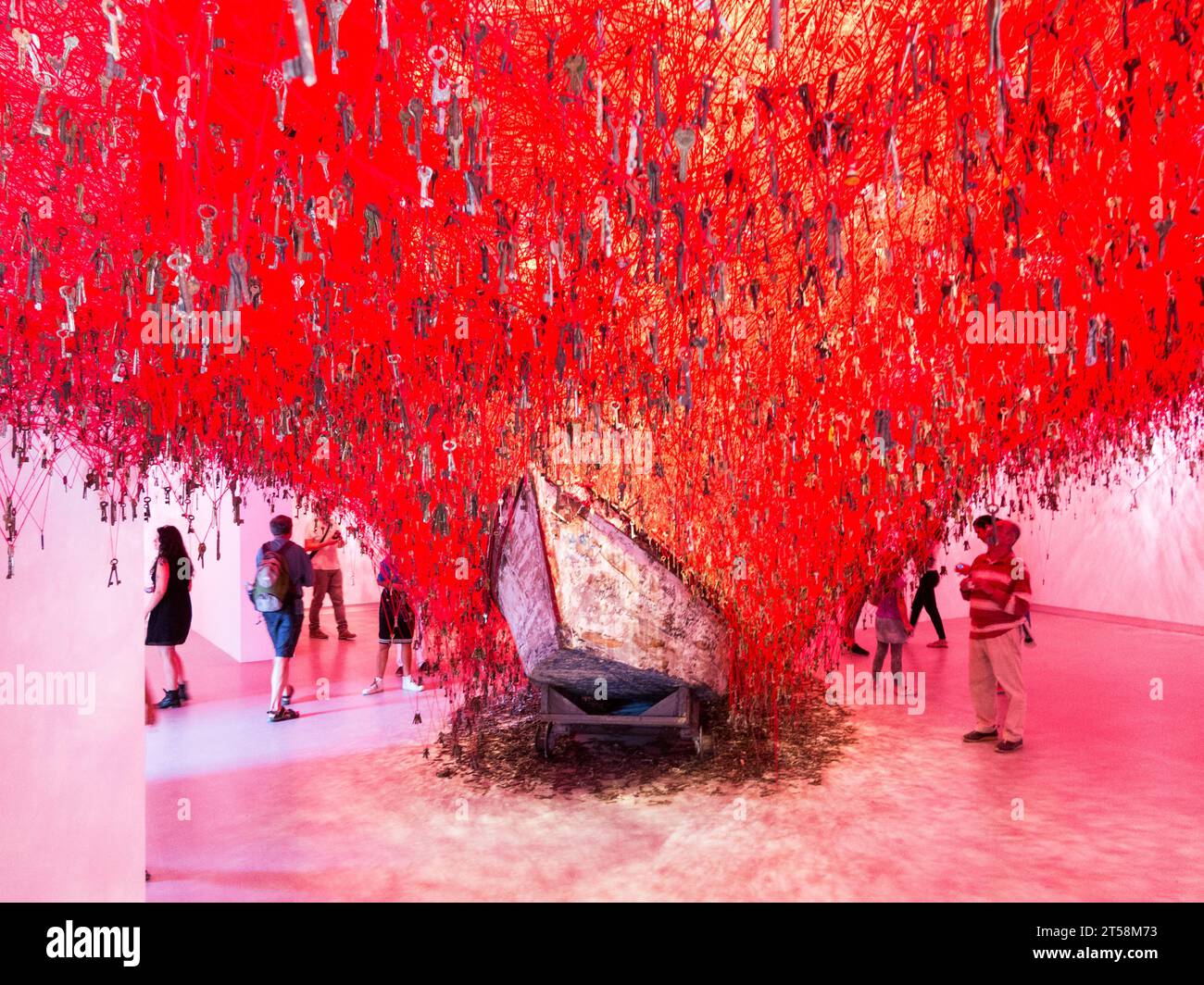
Imagine walking through a pavilion where the walls are not static but alive—adorned with bioluminescent flora that pulse with a soft, otherworldly glow. These are not mere decorations but living artworks, genetically modified or artistically cultivated to respond to the presence of visitors. The scent of jasmine and damp earth fills the air, while projected visuals of microscopic cellular structures dance across the surfaces, revealing the hidden architecture of petals and stems. This is not a space of passive observation but of active engagement, where the boundaries between nature, technology, and art dissolve into a seamless experience.
The Floral Pop Aesthetic: A Rebellion in Petals
Floral Pop is not a term one expects to encounter in the rarefied air of the Biennale. Pop art, with its bold colors and commercial iconography, has long been associated with the brash and the immediate. Yet, the Pavilion of Minor Key Floral Pop reimagines this genre through a lens of subtlety and introspection. Here, the pop aesthetic is not a shout but a murmur—a delicate balance of vibrant hues and muted tones, where the familiar motifs of flowers are deconstructed and reassembled into something both nostalgic and unsettling.
Picture a series of large-scale installations where oversized poppies, roses, and lilies are rendered in a palette that shifts between neon and pastel, their petals crafted from recycled plastics, glass, and organic matter. These are not static sculptures but kinetic artworks, their movements dictated by algorithms that respond to the emotional tenor of the space. Visitors might find themselves standing before a towering sunflower, its face composed of thousands of tiny mirrors that reflect not their image, but fragments of the sky and the faces of others—an endless hall of mirrors that underscores our interconnectedness.
The floral pop aesthetic extends beyond the visual. The pavilion will host a series of olfactory artworks, where the scent of flowers is not just smelled but experienced as a narrative device. Imagine entering a room where the air is thick with the fragrance of a blooming garden at dusk, only to have it abruptly shift to the sharp, metallic tang of ozone—a sensory metaphor for the duality of growth and decay. These olfactory interventions are not mere distractions; they are integral to the pavilion’s curatorial narrative, guiding visitors through a journey of emotional and sensory evolution.
Technology as the Invisible Hand
At the core of the Pavilion of Minor Key Floral Pop lies a sophisticated interplay between nature and technology. This is not the cold, sterile futurism of yesteryear but a warm, organic integration where machines serve as extensions of the natural world. The bioluminescent flora, for instance, is not merely decorative but a response to the visitors’ presence. Sensors embedded in the petals detect movement and adjust their glow accordingly, creating a dynamic light show that feels alive and responsive.
Digital projections play a crucial role in this ecosystem. Walls that appear solid at first glance reveal themselves to be canvases for ever-shifting murals, where the growth patterns of real flowers are algorithmically translated into mesmerizing visuals. These projections are not static; they evolve in real-time, responding to the collective emotional state of the pavilion’s visitors. A sudden influx of laughter might cause the flowers to bloom more vibrantly, while a moment of silence could plunge the space into a deeper, more contemplative hue.
The technology here is not obtrusive but immersive, seamlessly blending into the environment to enhance rather than dominate. It is a testament to the pavilion’s philosophy: that art and nature are not separate entities but intertwined forces, each enriching the other in a continuous dialogue.
The Politics of the Minor Key
To curate an exhibition around the minor key is to make a political statement. In a world that often privileges the loud and the immediate, the Pavilion of Minor Key Floral Pop carves out a space for the quiet, the nuanced, and the introspective. It challenges the Biennale’s traditional emphasis on spectacle and grandeur, instead championing a model where depth and subtlety are valued just as highly as impact.
This is not to say that the pavilion lacks ambition. On the contrary, its ambition lies in its restraint. By focusing on the minor key, the curators are not diminishing the Biennale’s scope but expanding it. They are inviting visitors to slow down, to listen, and to engage with art on a more intimate level. In doing so, they are also questioning the very nature of what constitutes a “major” or “minor” experience in art. Is it the scale of the installation that defines its importance, or the resonance it leaves in the hearts and minds of those who encounter it?
The Pavilion of Minor Key Floral Pop also serves as a commentary on the fleeting nature of trends and movements. Flowers, after all, are symbols of both beauty and impermanence. They bloom brilliantly and then wither, their petals scattering to the wind. In this pavilion, the ephemeral is not something to be mourned but celebrated—a reminder that all things, no matter how fleeting, leave an indelible mark on the world.
A Call to Slow Looking
The true promise of the Pavilion of Minor Key Floral Pop lies in its ability to transform the way we engage with art. In an era where attention spans are increasingly fragmented, this pavilion demands that we pause, observe, and reflect. It is a space where the act of looking becomes an act of listening, where the visual and the sensory merge to create a holistic experience.
Visitors are encouraged to linger, to return to installations multiple times, and to allow their perceptions to evolve. The pavilion is designed to reward patience, with new details revealing themselves to those who take the time to truly see. A flower that appears static at first glance might, upon closer inspection, be subtly shifting, its petals unfolding in a slow, almost imperceptible dance. The scent of a particular bloom might trigger memories or emotions, forging a personal connection between the visitor and the artwork.
This emphasis on slow looking is a radical departure from the typical Biennale experience, where the sheer volume of art can overwhelm the senses. Here, the goal is not to see everything but to see deeply—to allow the art to seep into one’s consciousness and leave a lasting impression.
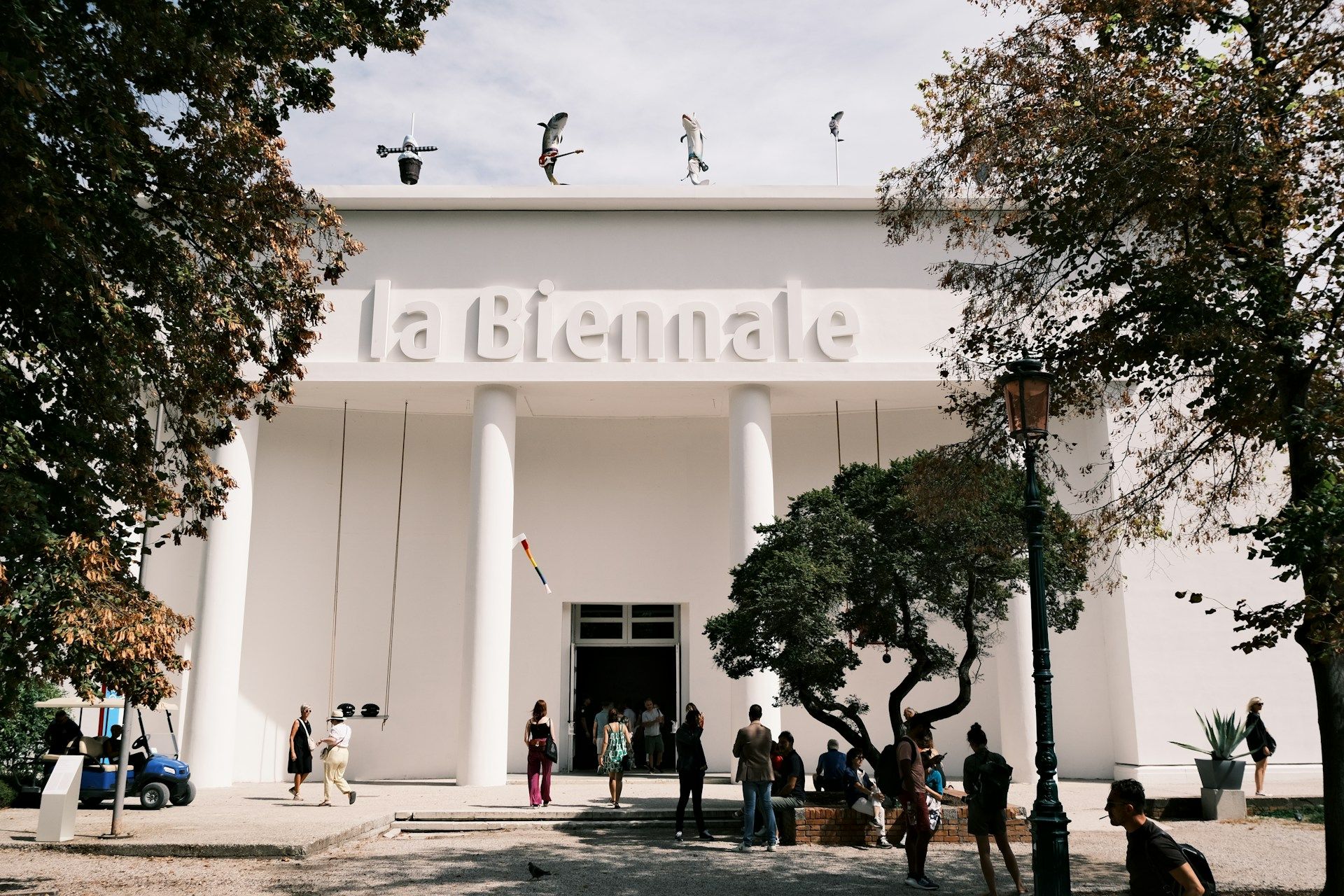
The Pavilion of Minor Key Floral Pop is more than an exhibition; it is an invitation to rethink our relationship with art, nature, and ourselves. It promises to shift our perspective, to quiet the noise of the world and allow us to hear the subtle harmonies that often go unnoticed. In a city that has long been a crossroads of cultures and ideas, this pavilion stands as a testament to the power of the minor—the overlooked, the introspective, the quietly profound.
As the Biennale of 2026 approaches, the whispers of the Pavilion of Minor Key Floral Pop grow louder. It is a space that does not shout for attention but beckons with a gentle hand, promising that those who enter will leave changed—not by the grandeur of what they have seen, but by the depth of what they have felt. In a world that often values the loud and the immediate, this pavilion offers a different kind of richness: the richness of the minor key, where every note, no matter how soft, resonates with meaning.


Leave a Comment