

In a world increasingly obsessed with rigid beauty ideals, the concept of the “elastic body” emerges as a vibrant manifesto — a celebration of fluidity, diversity, and the transformative potential of self-expression. This new paradigm does not merely challenge preexisting beauty standards; it radically reshapes them, invoking a poetic synergy between body and art, identity and liberation, fabric and paint. Provocative and inspiring, the elastic body invites a shift in perspective. It offers a canvas not confined by convention but animated by the boundless possibilities of human form and imagination.
The Elastic Body: A Canvas of Possibility
The phrase “elastic body” can be understood both literally and metaphorically. Literally, it denotes a body that embraces flexibility, stretch, and movement beyond static forms. Metaphorically, it portrays the modern individual’s capacity to adapt and redefine themselves in an era where beauty is no longer a fixed, one-dimensional ideal. Paint plays a pivotal role in this redefinition — transforming flesh into an artistic tableau that transcends mere physicality.
Through the application of body paint, the skin becomes an interactive medium that distorts, elongates, and reshapes perception. Bold brushstrokes and vivid pigments collapse the boundaries between art and anatomy, allowing the brain to perceive a fluidity where once there was only rigid categorization. This visual elasticity elicits curiosity and self-reflection, challenging observers to question the arbitrary standards traditionally imposed on bodies.
Reconstructing Beauty: Paint as a Radical Medium
Paint, as a medium, is inherently transformative. It possesses the power to conceal or reveal, amplify or subdue. When applied to the body, it becomes an instrument of radical self-assertion. Its malleability mirrors the flexibility of the body itself, creating a harmonious dialogue between external ornamentation and innermost identity.
Rather than conforming to external dictates, painted bodies assert autonomy and creativity. They subvert mainstream narratives that celebrate homogeneity and perfection, replacing them with a kaleidoscope of unique stories and forms. The body painted in swirling hues and abstract patterns becomes a locus of empowerment — a living manifesto that negates restrictive beauty dogmas.
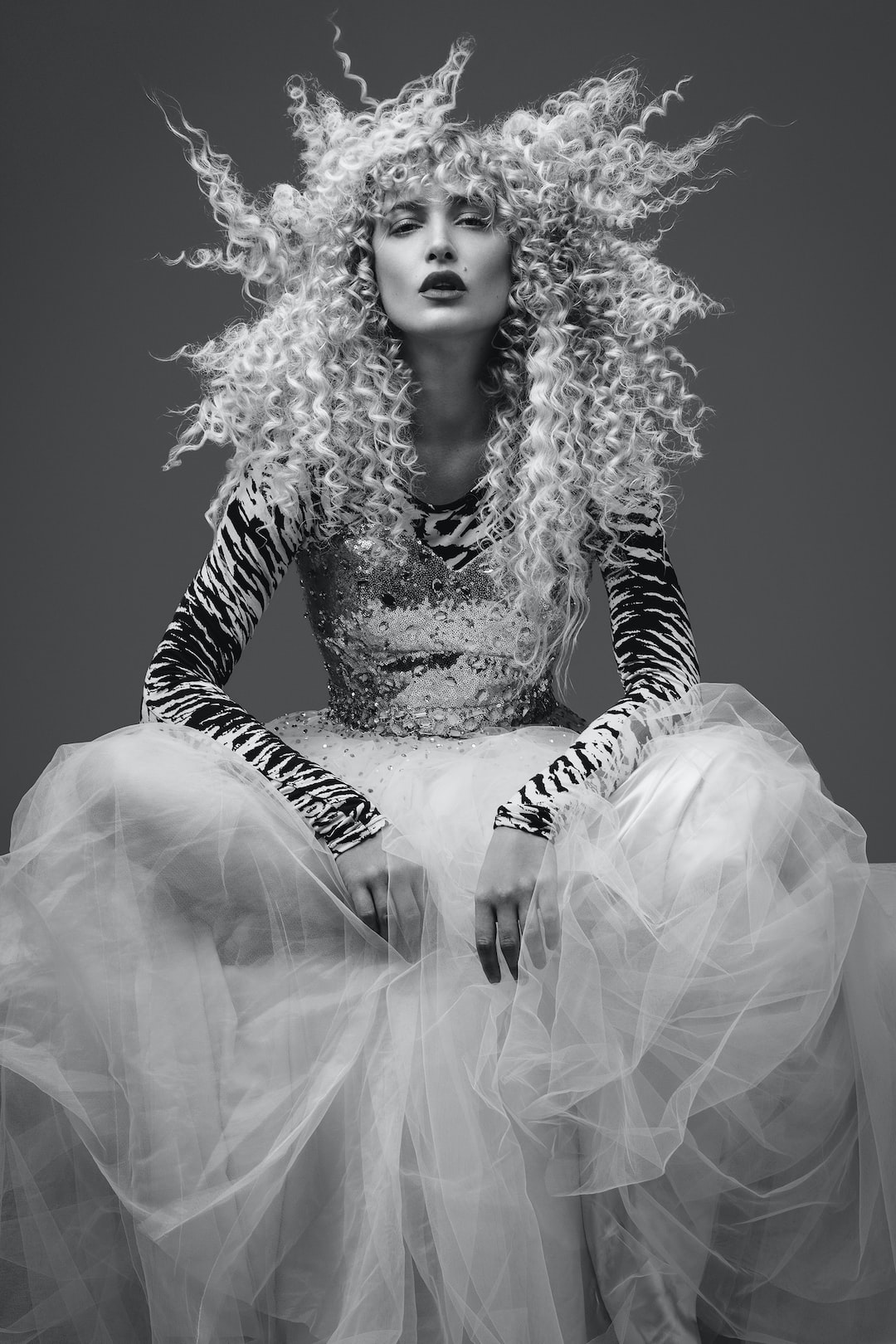
Elasticity in Fashion: The Synergy of Fabric and Flesh
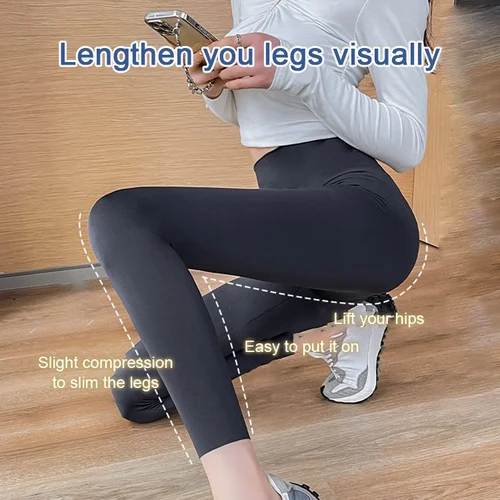
The elasticity of the body gains new meaning when paired with equally elastic fashion innovations. Garments crafted from highly elastic, body-shaping materials do more than fit; they mold and liberate simultaneously. They respond dynamically to movement, celebrating curves, contours, and individual anatomical nuances rather than erasing them.
This synergy between flexible fabric and painted skin creates an immersive visual and tactile experience. It disrupts the traditional fashion narrative that often promotes unattainable perfection. Instead, it embraces authenticity and the nuanced beauty found in every fold and stretch of the body.
Historic and Cultural Resonances of Body Paint
Body painting is not a novel art form but a time-honored practice rooted in ancient rituals, traditions, and cultural symbols. Indigenous societies worldwide have painted their bodies to signify rites of passage, spiritual connections, and societal roles. This rich heritage adds layers of meaning to contemporary explorations of painted, elastic bodies.
By reconnecting modern body painting to these historic practices, the movement honors ancestral wisdom and reclaims the body as a sacred and dynamic site of identity construction. In this context, paint becomes more than pigment; it is a vessel of transformation, protection, and storytelling.
Challenging Unrealistic Standards: A Call to Collective Awakening
The elastic body painted and adorned is a dynamic counter-narrative to the often exclusionary and unrealistic beauty ideals perpetuated by media and society. It insists that beauty is multifaceted, fluid, and ever-evolving, rather than static and narrowly defined.
This celebration evokes a collective awakening — an invitation for society to expand its visual and conceptual vocabularies for body image. It encourages acceptance not only of diverse shapes but also of the evolving ways bodies can be perceived, interpreted, and appreciated.
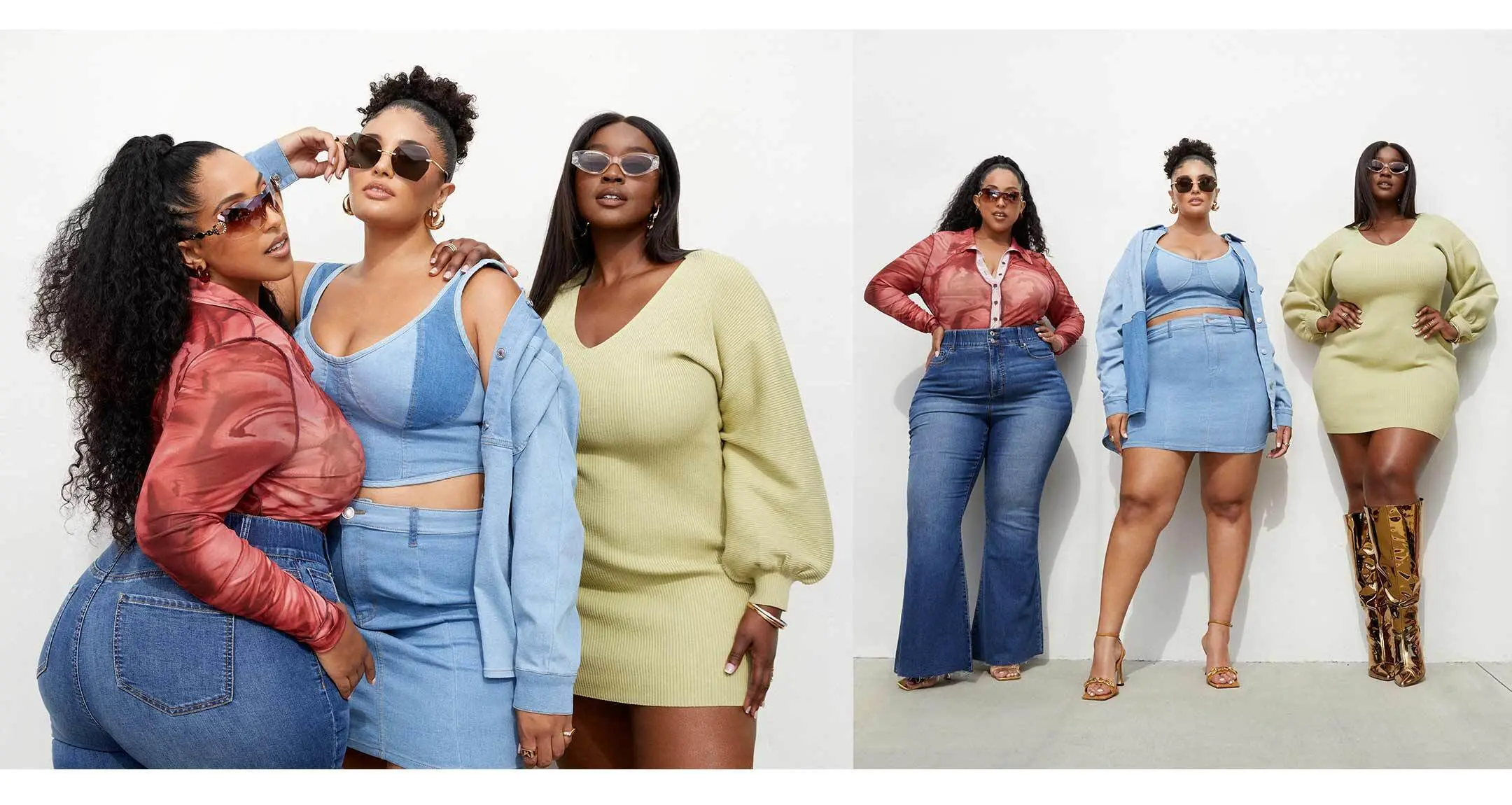
The Psychological Liberation of Becoming Elastic
Embracing the elastic body is as much a psychological journey as a physical or aesthetic one. It allows individuals to loosen the suffocating grip of self-criticism and societal pressure. Body paint serves as a metaphorical and literal shield, encasing insecurities in vibrant expression and liberating confidence from the shackles of judgment.
Through this liberating process, the elastic body fosters a renewed sense of self-love and acceptance. It offers the exhilarating experience of seeing one’s physical form not as a problem to be solved but as a masterpiece in an ongoing state of revelation and redefinition.
The Future of Beauty is Elastic
The elastic body, through the transformative power of paint, presages a tantalizing future where beauty is not a fixed endpoint but a dynamic, living continuum. As society increasingly embraces diversity, body positivity, and creative expression, these painted bodies will serve as beacons of possibility and change.
This emerging aesthetic dissolves binaries — perfect/imperfect, fat/thin, young/old — and invites a more inclusive, imaginative vision of beauty. It piques curiosity by presenting bodies as limitless canvases, continually evolving in form, meaning, and beauty.
In embracing elasticity, both physical and conceptual, we dismantle antiquated beauty standards and paint a future in which all bodies are valued, celebrated, and endlessly reimagined. This is the promise of the elastic body — a living testament to humanity’s capacity for transformation, resilience, and boundless creativity.


Leave a Comment