

In the ever-evolving landscape of human-computer interaction, the concept of “human interruptions” has transcended its traditional boundaries. No longer confined to the realm of mere distractions, these interruptions have evolved into deliberate, strategic touchpoints that bridge the gap between automation and human intuition. Building a collection of such interruptions isn’t just about capturing fleeting moments—it’s about curating a repository of insights, emotions, and decisions that shape the future of collaborative intelligence. Whether you’re a developer, a designer, or a strategist, understanding how to harness these interruptions can unlock unprecedented levels of creativity and efficiency. Let’s explore the multifaceted world of human interruptions and how to construct a collection that resonates with purpose and impact.
Imagine a scenario where a user pauses mid-task, not out of frustration, but out of curiosity. That pause is an interruption—a golden nugget of human behavior waiting to be analyzed. But interruptions aren’t monolithic; they manifest in various forms, each carrying unique potential for insight. From spontaneous questions to deliberate pauses, these moments are the raw material for building a collection that transcends the ordinary. The key lies in recognizing their diversity and capturing them in a way that transforms fleeting interactions into enduring knowledge.
The Art of Capturing Spontaneous Questions
Spontaneous questions are the lifeblood of human interruptions. They erupt when curiosity collides with uncertainty, often revealing gaps in understanding or unmet needs. These questions are raw, unfiltered, and brimming with potential. To build a collection around them, start by observing where they occur most frequently. Are they clustered around specific features of a product? Do they arise during onboarding or after a major update? Tools like session recordings, heatmaps, and user feedback widgets can help pinpoint these moments with surgical precision.
Once identified, document these questions in a structured format. Tag them by context—whether they pertain to functionality, usability, or emotional triggers. For example, a user asking, “How do I export my data?” might seem mundane, but paired with the context of their workflow, it could signal a deeper need for streamlined export options. Over time, this collection becomes a treasure trove of user pain points, guiding product improvements and feature prioritization. The goal isn’t just to collect questions but to decode the underlying narratives they represent.
Designing for Deliberate Pauses
Not all interruptions are accidental. Some are intentional, crafted by design to provoke thought or reflection. These deliberate pauses are the hallmark of thoughtful user experiences, where the interface nudges users to reconsider their actions or explore alternative paths. Think of a confirmation dialog that asks, “Are you sure you want to delete this?”—a small but powerful interruption designed to prevent irreversible mistakes. Building a collection of such interruptions requires a shift in perspective: from reactive to proactive.
To curate these moments, analyze user flows where friction is intentionally introduced. Look for instances where the system interrupts the user to ask for confirmation, provide feedback, or offer guidance. Each of these pauses is an opportunity to refine the user journey. For instance, a well-timed interruption that suggests a shortcut or alternative action can reduce cognitive load and enhance satisfaction. The challenge lies in balancing interruption with intuition—ensuring that the pause feels helpful rather than intrusive. This delicate dance between disruption and delight is where the magic of user-centered design truly shines.
The Role of Emotional Triggers in Interruptions
Emotions are the silent architects of human interruptions. A sudden surge of frustration, excitement, or confusion can halt a user in their tracks, creating a pivotal moment for intervention. These emotional triggers are often the most revealing, exposing vulnerabilities and desires that data alone cannot capture. To build a collection around them, leverage tools that detect emotional cues—such as sentiment analysis, facial recognition, or even simple emoji-based feedback mechanisms. These tools act as emotional barometers, highlighting where users feel most engaged or alienated.
Once identified, these emotional interruptions can be categorized into themes: frustration, curiosity, satisfaction, or indifference. For example, a user repeatedly clicking a button in frustration might indicate a usability issue, while a user pausing to admire a feature could signal delight. By mapping these emotions to specific interactions, you can create a nuanced understanding of the user experience. This emotional intelligence is invaluable for crafting interventions that resonate on a deeper level—whether it’s a reassuring message during a stressful task or a celebratory animation after a milestone is achieved.
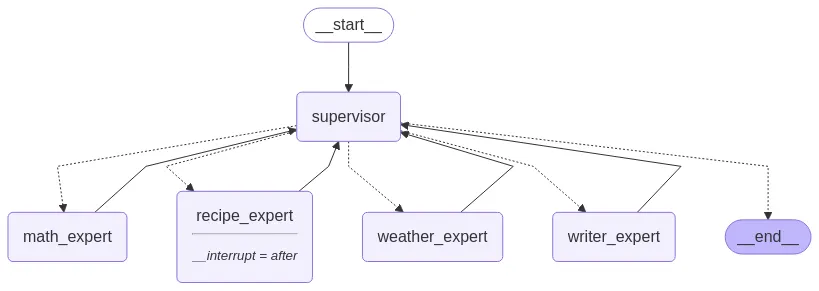
Leveraging Interruptions for Collaborative Intelligence
The true power of a collection of human interruptions lies in its ability to foster collaborative intelligence. When these interruptions are shared across teams—from developers to designers to customer support—they become a shared language for understanding user needs. Imagine a scenario where a support agent notices a recurring interruption in user flows and flags it for the product team. That single interruption could spark a redesign that improves usability for thousands of users. This cross-functional synergy turns isolated moments into collective wisdom.
To maximize this potential, establish a centralized repository for your collection. Use a platform that allows for tagging, searching, and annotating interruptions, ensuring that insights are accessible to all stakeholders. Encourage teams to contribute their observations, whether it’s a developer noting a pattern in error logs or a designer highlighting a drop-off point in a user journey. Over time, this repository evolves into a living knowledge base, guiding decisions from product roadmaps to marketing strategies. The key is to treat interruptions not as anomalies but as critical data points that shape the future of your product.
Ethical Considerations in Collecting Interruptions
While the benefits of collecting human interruptions are clear, the ethical implications cannot be ignored. Users entrust their data and attention to products, and it’s imperative to respect that trust. Transparency is paramount—clearly communicate what data is being collected and how it will be used. Avoid dark patterns that manipulate interruptions for manipulative purposes, such as tricking users into taking actions they don’t fully understand. Instead, focus on interruptions that empower users, whether by providing clarity, offering assistance, or enhancing their experience.
Another ethical consideration is consent. Ensure that users are aware of how their interruptions are being captured and analyzed. This might involve opt-in mechanisms or granular controls that allow users to choose which interactions they’re comfortable sharing. Additionally, anonymize sensitive data to protect user privacy, especially when dealing with emotional or behavioral patterns. By prioritizing ethics alongside innovation, you build not just a collection of interruptions but a foundation of trust with your users.
From Collection to Action: Turning Insights into Impact
A collection of human interruptions is only as valuable as the actions it inspires. The final step is to transform these insights into tangible improvements. Start by identifying the most critical interruptions—those that occur frequently, evoke strong emotions, or align with strategic goals. Prioritize them based on their potential impact and feasibility. For example, an interruption that causes users to abandon a task might warrant a redesign of the onboarding flow, while a pause that sparks curiosity could lead to the development of a new feature.
Next, collaborate with cross-functional teams to brainstorm solutions. Developers might focus on technical fixes, designers on refining the interface, and marketers on crafting messaging that resonates with user needs. Test these solutions with real users, using the same tools that helped identify the interruptions in the first place. Iterate based on feedback, and continue monitoring for new interruptions that may arise. This cyclical process ensures that your collection remains dynamic, evolving alongside the needs and behaviors of your users.
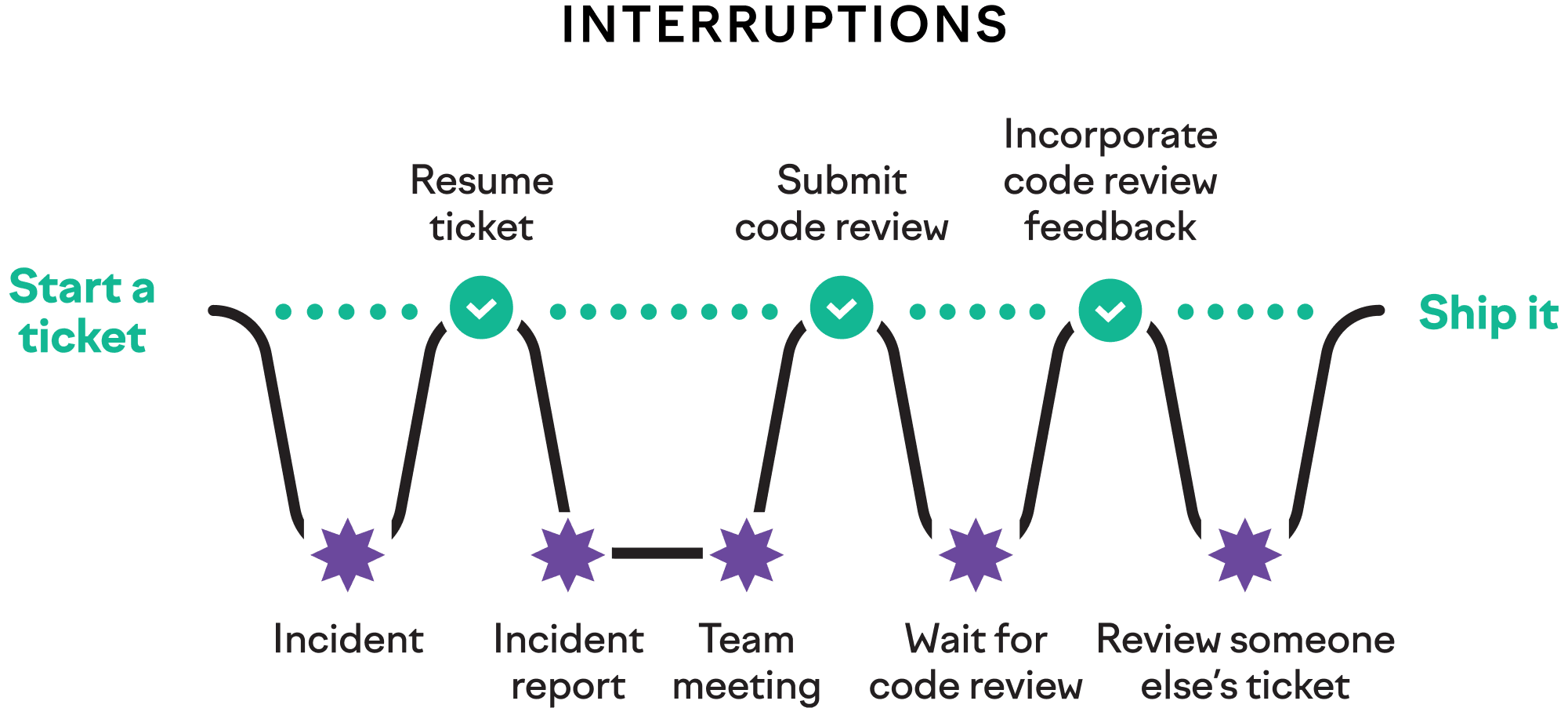
The journey of building a collection of human interruptions is one of discovery, empathy, and innovation. It’s about recognizing that every pause, every question, and every emotional surge is a thread in the larger tapestry of human experience. By capturing these moments with intention and purpose, you’re not just collecting data—you’re curating the future of how humans and technology interact. So start small, observe deeply, and let the interruptions guide you toward a more intuitive, more human-centered world.


Leave a Comment