

In the ever-evolving realm of creativity, there exists a profound pathway to originality that bypasses the rigid confines of conscious thought. It is a domain ruled not by logic but by the intangible flow of imagery, emotion, and ephemeral symbolism—dream logic. For artists, this elusive terrain offers a vault of untapped inspiration, a conduit to the subconscious mind where the seeds of innovation are sown. Embarking on the journey to harness this mysterious force can elevate an artist’s work to new heights, infusing it with depth, nuance, and an otherworldly resonance that captivates and mesmerizes.
The Entrancing Landscape of the Subconscious Mind
To understand dream logic is to first appreciate the wondrous complexity of the subconscious. This psychological undercurrent streams beneath the surface of waking cognition, where memories, desires, fears, and archetypes intermingle freely. Unlike rational thought, governed by cause and effect, the subconscious weaves narratives that defy linearity. It materializes in startling juxtapositions, surreal images, and symbols rich with multilayered meaning. By learning to interpret and channel these abstract stimuli, artists gain access to a bountiful wellspring of creative vitality.
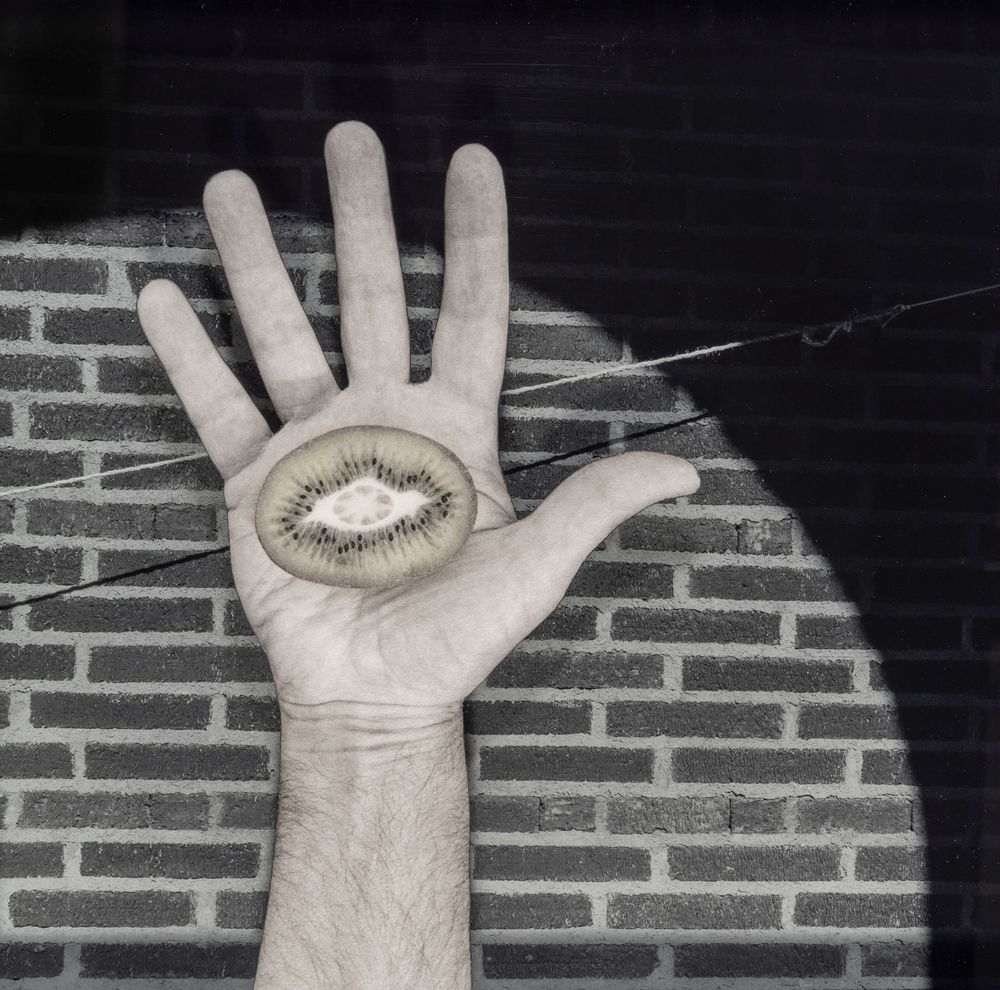
Through techniques such as free association, automatic drawing, or spontaneous composition, the subconscious unfurls strange and vivid tapestries. These are not mere flights of fancy but encoded messages and insights, ideal for storytelling, visual arts, music, and more. Embracing this chaotic yet fecund territory enables creators to fuse dreamscapes with reality, producing works that resonate with universal archetypes and personal truths alike.
Bridging the Divide: Techniques to Tap into Dream Logic
The transition from conscious intention to subconscious revelation is delicate and requires mindful cultivation. Several methodologies exist, each uniquely suited to invite the subconscious voice into the creative process:
- Automatic Drawing and Writing: Surrendering control to the hand, artists allow lines, shapes, or words to flow uninhibitedly, bypassing analytical filters.
- Pendulum Divination: An intriguing method where subtle subconscious movements influence a pendulum’s sway, unlocking symbols and insights from within the psyche.
- Dream Journaling: Recording nocturnal visions immediately upon waking preserves the raw, unprocessed images and emotions, providing a fertile foundation for artistic exploration.
- Meditative Visualization: Deep relaxation and guided imagery open the door to subconscious realms, allowing vivid scenes and concepts to manifest spontaneously.
Each technique invites a different relationship with the subconscious, emphasizing trust, patience, and openness. Experimentation and persistence transform these approaches from novelty into potent creative rituals.
The Language of Symbols: Decoding Subconscious Imagery
Diving into dream logic inevitably plunges an artist into the enigmatic language of symbols. These are the hieroglyphs of the inner world, bleeding with metaphor and spiritual significance. Dreams rarely speak plainly; instead, they communicate through personifications, vivid colors, shifting landscapes, and theatrical motifs. Learning to decipher this lexicon empowers artists to infuse their work with archetypal narratives and personal mythology.
For instance, recurring motifs such as water may signify emotional depth or transformation, while fractured mirrors might reflect fractured identity or divergent realities. The beauty lies in the multiplicity of interpretation—symbols act as portals inviting viewers to project their unconscious experiences, creating an intimate dialogue between creator and audience.

Rather than rigid codes, these symbols should be embraced fluidly, with reverence for their protean nature. This transcendent symbolism becomes the artist’s palette, enabling the translation of ineffable inner worlds into tangible, evocative works.
Harnessing the Paradox: Logic Within the Illogical
Dream logic is paradoxical, weaving coherence through incoherence and sense through nonsense. What appears at first glance as illogical may conceal an internal consistency—an emotional or spiritual logic—that speaks more deeply than literal interpretation ever could. This paradoxical nature is fertile ground for artistic exploration, challenging creators to suspend the impulse for linear narrative and instead revel in ambiguity.
Art born from this paradox often carries a haunting beauty, an unsettling but magnetic aura. It invites the viewer to navigate shifting realities and unstable meanings, mirroring the fluidity of dreams themselves. Embracing this tension between rationality and irrationality elevates the creative journey into a transformative odyssey.
Practical Applications: Dream Logic Across Artistic Mediums
Dream logic transcends disciplines, offering inspiration and technique to writers, painters, photographers, filmmakers, and musicians alike. Consider how surreal visual motifs can augment photographic compositions, invoking subconscious associations that linger beyond aesthetics. Writers can interlace plotlines with dreamlike sequences that unveil character psyches or hidden desires without exposition. Musicians might experiment with improvisation or ambient soundscapes that evoke the resonance of subconscious moods.
Visual artists often incorporate spontaneous mark-making or symbolic iconography within their work, bridging emotional memory and mythic storytelling. Multimedia creators may blend disparate elements—sound, text, image—melding waking and dreaming states into immersive experiences. By integrating dream logic, artists expand their expressive horizons, crafting works that transcend the literal and invite profound reflection.
Navigating Challenges: Balancing Vulnerability and Control
Engagement with the subconscious is not without its trials. It demands vulnerability, courage to confront shadow aspects, and tolerance for ambiguity. Artists must learn to temper the surrender required for subconscious access with intentional mastery. Too much control stifles spontaneity; too little direction risks incoherence. Striking this balance is an ongoing negotiation tailored to each individual’s psyche and creative temperament.
Establishing structured practices—rituals of preparation, defined time for free exploration, and reflective integration of insights—provides scaffolding for safe and productive interaction with dream logic. Over time, these habits forge resilience and confidence, transforming uncertainty into fertile creative potential.
Ultimately, tapping into the subconscious is a transformative voyage. It redefines the boundaries of the creative self, unveiling reservoirs of intuition, imagination, and revelation. For the artist willing to embrace the mysterious logic of dreams, the rewards are profound: art that pulses with raw authenticity, mystery, and the uncanny power to move the spirit.
In stepping through the threshold into dream logic, artists ignite a sublime dialogue between the visible and the invisible, the conscious and the unconscious. This journey—marked by curiosity, courage, and humble reverence—reveals the boundless capacities of the human mind and the endless frontiers of creative expression.


Leave a Comment