

In a world that often prioritizes speed over substance, where algorithms dictate value and digital perfection reigns supreme, the labor of the artist’s hand remains a quiet rebellion. It is a testament to patience, precision, and an unyielding connection to the tactile. In Minor Keys, a project that lingers in the shadows of the creative process, dares to shift the lens from the finished product to the raw, unfiltered act of creation itself. It is not merely an exhibition or a collection of works—it is a manifesto, a love letter to the unseen hours, the calloused fingertips, and the deliberate imperfections that define true craftsmanship.
The title itself, In Minor Keys, whispers a promise of depth and introspection. Minor keys in music evoke melancholy, complexity, and a richness that major keys often cannot capture. Similarly, the works within this project resonate with a depth that transcends the superficial. They are not polished performances for an audience; they are the raw, unfiltered expressions of an artist wrestling with their medium, grappling with the weight of their own expectations, and ultimately, surrendering to the process. This is not art for the masses—it is art for the discerning, for those who understand that the true magic lies not in the final brushstroke but in the thousand invisible ones that came before it.

The Alchemy of Touch: Where Intention Meets Material
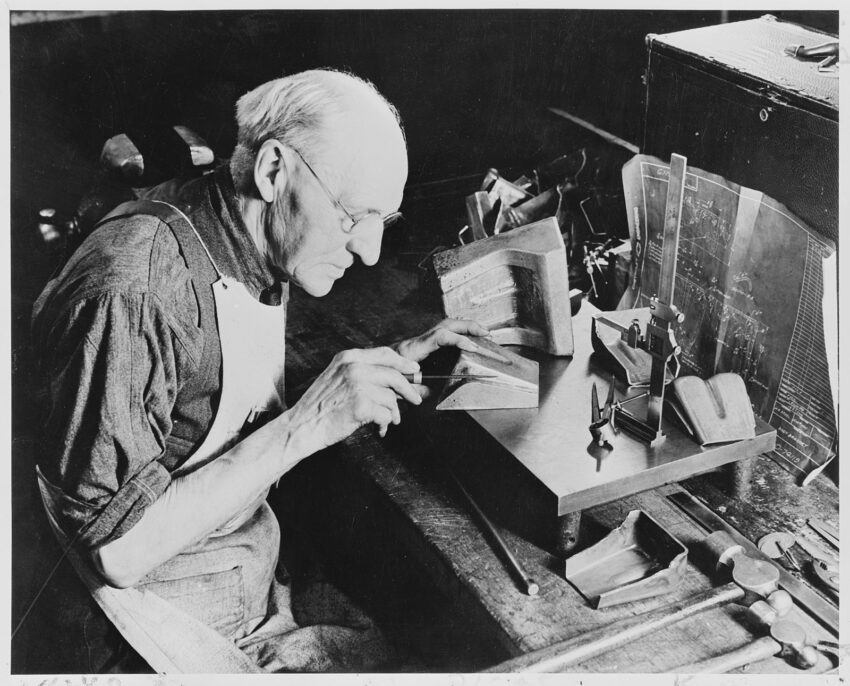
Every artist knows the moment when the material first responds to their touch. It is a sacred exchange—one that demands respect, intuition, and an almost spiritual attunement to the medium. In In Minor Keys, this exchange is not just acknowledged; it is celebrated. The works on display are not static objects frozen in time but living records of a dialogue between creator and material. Wood bends under the patient pressure of a hand plane. Ink bleeds into paper, each stroke a negotiation between control and surrender. The artist’s hand becomes an extension of the material itself, coaxing out its latent potential.
This alchemy is not about mastery in the traditional sense. It is about collaboration. The artist does not impose their will upon the material; they listen. They adapt. They accept the material’s resistance as part of the conversation. A crack in the glaze of a ceramic piece is not a flaw—it is a scar, a testament to the kiln’s fiery embrace. A hesitation in a painter’s line is not indecision—it is the pulse of a moment, a heartbeat captured in pigment. In Minor Keys elevates these imperfections from accidents to essential elements, revealing how the labor of the hand is not just about making but about becoming.
The Tyranny of Perfection and the Liberation of Process
Society has conditioned us to equate art with perfection. We scroll through flawless digital renders, admire hyper-realistic sculptures, and consume content that has been meticulously curated for maximum impact. But where does this leave the artist’s hand? In a world of digital reproduction, the tactile, the imperfect, and the handmade are often dismissed as relics of a bygone era. In Minor Keys flips this narrative on its head. It does not seek to impress with technical virtuosity alone; it seeks to evoke, to provoke thought, and to remind us that art is not about achieving an ideal but about embracing the journey.
The works in this project are not pristine. They bear the marks of their creation—the uneven edges of a hand-carved frame, the visible brushstrokes of a painting that refuses to hide its process, the fingerprints embedded in the wet clay. These are not mistakes; they are signatures. They are the artist’s thumbprint on the world, a declaration that this piece was made by human hands, not machines. In a culture that often prioritizes efficiency over authenticity, In Minor Keys is a radical act of defiance. It says: Look closer. See the labor. Feel the weight of each decision.

The Unseen Hours: Time as a Medium
Time is the most underrated medium in art. It is invisible, yet it shapes every work. The hours spent sanding a block of wood until it is smooth enough to hold. The days waiting for the right moment to apply the next layer of glaze. The years spent refining a technique, only to discard it in favor of something raw and untested. In Minor Keys does not shy away from this truth. It forces us to confront the temporal cost of creation—the unseen hours, the moments of doubt, the relentless pursuit of an idea that refuses to materialize.
Consider the woodworker who spends weeks shaping a single piece, only for the final form to emerge from the shavings and sawdust. Or the calligrapher whose hand cramps after hours of practice, yet continues because the act itself is a form of devotion. These are not just artists at work; they are time travelers, bending the linear march of hours to their will. In Minor Keys captures this temporal dimension, not as a footnote but as the very foundation of the work. It is a reminder that art is not a sprint—it is a pilgrimage, and the destination is often less important than the path taken.
The Hand as Instrument: A Symphony of Gesture
An artist’s hand is an instrument, finely tuned through years of practice, yet capable of infinite expression. Each gesture—whether a brushstroke, a chisel mark, or a press of the foot pedal on a potter’s wheel—carries intention, emotion, and history. In In Minor Keys, these gestures are not just tools; they are the language of the work. A violinist’s bow does not just produce sound—it tells a story. Similarly, the artist’s hand does not just shape material—it communicates.
This is where the project’s title takes on even greater significance. Minor keys in music are not just scales; they are emotional landscapes. They evoke longing, introspection, and a depth of feeling that major keys cannot. The same is true of the works in In Minor Keys. They are not meant to dazzle with technical prowess alone; they are meant to resonate on a deeper level. A sculpture’s rough edges might evoke the jaggedness of grief. A painting’s muted palette might mirror the quiet resilience of endurance. The artist’s hand, in its unfiltered state, becomes a conduit for these emotions, translating the ineffable into the tangible.

A Call to Reclaim the Human in Art
In an era dominated by artificial intelligence, deepfakes, and digital facsimiles, In Minor Keys is a clarion call to reclaim the human in art. It is a reminder that the artist’s hand is not a relic but a revolutionary act. In a world that increasingly values speed and scalability, the labor of the hand is a radical assertion of individuality, authenticity, and presence. It is a refusal to be replaced by machines, a defiance against the homogenization of creativity.
This project does not just honor the labor of the artist’s hand—it demands that we see it, feel it, and understand its weight. It asks us to slow down, to look closer, and to recognize that the most profound art is not the one that is most polished but the one that is most human. The cracks, the hesitations, the uneven lines—these are not flaws. They are the fingerprints of a life lived in creation, a testament to the fact that art is not just about the destination but the journey itself.
So the next time you encounter a work of art, ask yourself: Who made this? How was it made? What did it cost the artist in time, in struggle, in surrender? In Minor Keys does not provide easy answers. Instead, it invites you to sit with the questions, to embrace the discomfort of not knowing, and to find meaning in the labor that brought the piece into being. It is a shift in perspective, a piquing of curiosity, and above all, a celebration of the human touch in a world that often forgets what it means to be truly, unapologetically human.


Leave a Comment