

Nestled within the grandeur of the Venice Biennale lies a verdant sanctuary that is more than just a feast for the eyes—it’s a profound testament to the evolving discourse of eco-art. The Biennale’s secret garden beckons visitors and art enthusiasts alike into an immersive experience where creativity converges with environmental consciousness. This hidden gem unfolds a dialogue between humanity and nature, inviting exploration beyond traditional gallery walls.
Emergence of Eco-Art in Venice’s Artistic Landscape
The Venice Biennale has long been a crucible of artistic innovation, yet in recent years, a distinctive green pulse has permeated the event’s offerings. This entanglement of ecology and artistry manifests through installations, performances, and pavilions designed to raise awareness about our fragile planet. The garden becomes a metaphorical and physical space, embodying regenerative ideals and nurturing conversations on decolonization, sustainability, and environmental stewardship.
Attendees can expect to encounter thought-provoking juxtapositions between natural elements and human intervention. Eco-art at the Biennale transcends aesthetics; it mobilizes viewers towards a deeper understanding of their environmental impact. Here, a garden is not merely a setting—it is a living, breathing co-creator of artistic expression.
The Venice Pavilion: Gardening as a Metaphor for Decolonisation
One of the most evocative features within this secret garden is the Venice Pavilion, which leverages gardening as a potent metaphor for decolonisation. This conceptual approach unpacks complex histories and power dynamics by rooting them in the soil beneath our feet. The pavilion reimagines cultivation practices as acts of resistance and healing, challenging colonial legacies through regenerative ecological techniques.
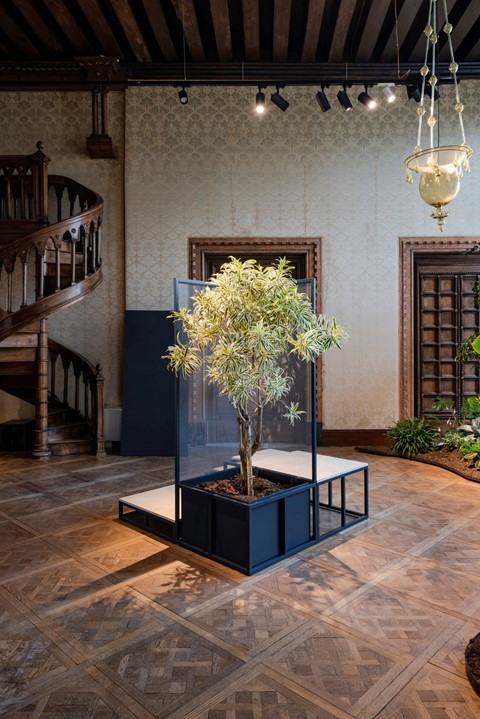
Visitors find themselves not just passive observers but active participants in this verdant narrative. Through carefully curated flora native to colonized territories and interactive elements, the pavilion fosters empathy and awareness. It transforms horticulture into a language of reconciliation, growth, and renewal, demonstrating how nature can be instrumental in rewriting historical narratives.
The Garden of Knowledge: An Intersection of Algorithmic Art and Ecology
Among the many treasures housed in the Biennale’s secret garden is an intriguing fusion of cutting-edge technology and botanical aesthetics. “The Garden of Knowledge” integrates algorithmic art with living ecosystems, creating an evolving canvas that reacts to environmental data. This pioneering approach amplifies the conversation about technology’s role in both exacerbating and alleviating ecological crises.

The garden becomes a dynamic organism where algorithm-driven visuals shift in response to climate variables, inviting viewers to witness the interplay between data and natural rhythms. This experiential art challenges conventional interpretations, highlighting the urgency of ecological balance while celebrating human ingenuity.
Carbon Neutrality and the Commitment to Sustainable Art Practices
The Venice Biennale’s dedication to environmental responsibility reaches beyond thematic installations—its commitment to carbon neutrality has garnered critical acclaim in the eco-art world. Organizers have adopted comprehensive strategies to minimize the event’s environmental footprint, from reducing emissions to utilizing sustainable materials throughout the exhibition spaces.

Art lovers can witness firsthand how ecological ethics are embedded not only in the creative output but also within the operational fabric of the Biennale. This dual approach cements the event as a beacon for sustainable cultural production, encouraging other global institutions to envision greener futures for the arts sector.
Immersive Experiences and Multidisciplinary Collaborations
The secret garden is far from a static exhibition—it is a multisensory realm that envelops visitors in an interdisciplinary embrace. Expect to encounter collaborations between botanists, technologists, historians, and artists converging to sculpt an authentic narrative on ecological interconnectedness.
Performances that incorporate natural soundscapes blend seamlessly with visual installations, while workshops offer participatory encounters, deepening the audience’s engagement with environmental themes. This confluence of disciplines enriches the cultural fabric of the Biennale, emphasizing art’s power as a catalyst for collective mindfulness.
A Living Legacy: The Garden’s Impact on Environmental Dialogue
Beyond the immediate enchantment, the Venice Biennale’s secret garden sows seeds for long-term impact on environmental discourse. By weaving ecological awareness into artistic practice, the exhibition encourages a reconsideration of humanity’s relationship with the earth. It becomes a platform for radical ideas, urging visitors to carry forward lessons and reflections beyond the event’s temporal boundaries.
Through its curated blend of history, technology, and nature, the garden exemplifies the potential of art to nurture empathy, inspire activism, and ignite systemic change. It offers a sanctuary where the urgency of ecological preservation is met with creativity, hope, and profound beauty.
In sum, the Venice Biennale’s secret garden of eco-art is an exhilarating voyage into the synthesis of nature, technology, and culture. It offers a rich tapestry of content—ranging from poignant installations to pioneering sustainable practices—that resonates deeply with contemporary environmental challenges. For anyone seeking an inspiring blend of aesthetics and activism, this garden is a must-experience haven where art becomes a verdant force for change.


Leave a Comment