

Have you ever held a print so small it could dance on the tip of your finger, yet so intricate it tells a story larger than life itself? Welcome to the whimsical world of miniature printmaking, where artists shrink masterpieces into palm-sized marvels, challenging both their skill and our perception of scale. This isn’t just about making things tiny—it’s a rebellion against the ordinary, a test of precision, and a celebration of the unseen. So, what happens when the grand traditions of printmaking collide with the audacity of the minuscule? Let’s embark on this delightful journey.
The allure of miniature printmaking lies in its paradox: the smaller the canvas, the bigger the challenge. Artists who venture into this realm aren’t just carving or etching—they’re performing a high-wire act where one misstep could unravel hours of painstaking labor. Imagine engraving a landscape onto a copper plate no larger than a postage stamp, or carving a woodblock so delicate that the grain of the wood threatens to betray your design. It’s a dance with disaster, where the margin for error is thinner than the paper you print on. Yet, for those who dare, the rewards are nothing short of magical.
The Historical Roots: When Giants Shrunk to Gems
Miniature printmaking isn’t a modern whim—it’s a practice with deep historical roots, tracing back to the earliest days of printmaking itself. In the 15th century, European printmakers like Albrecht Dürer dabbled in diminutive works, creating engravings so fine they could only be fully appreciated under a magnifying glass. These weren’t mere novelties; they were statements of mastery, proving that an artist could command both the grand and the granular with equal finesse.
Fast forward to the 18th and 19th centuries, and miniature prints became a status symbol among the elite. Nobles and collectors prized these tiny treasures, often encased in elaborate lockets or displayed in miniature cabinets. The art form flourished in Japan as well, where ukiyo-e masters like Hokusai produced delicate woodblock prints that captured entire worlds in a few square inches. These historical precedents set the stage for today’s miniature printmakers, who stand on the shoulders of giants—literally, in some cases.
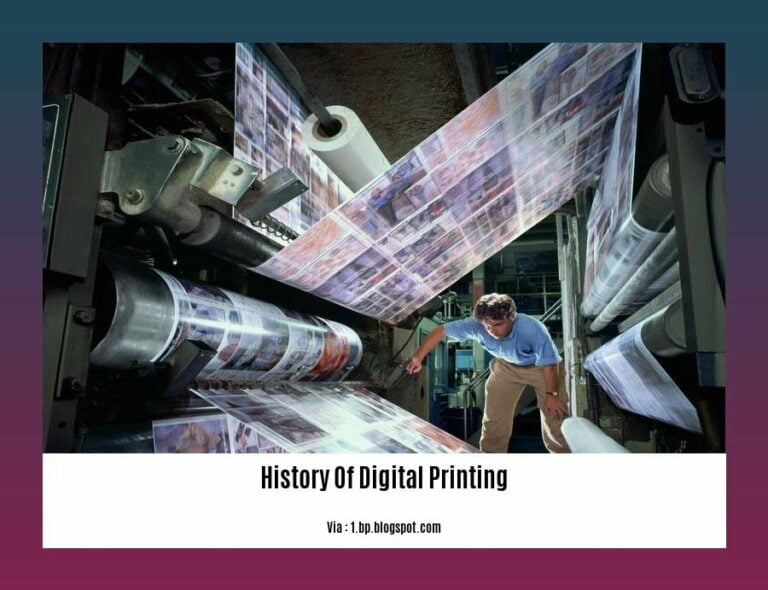
The evolution of miniature printmaking mirrors the broader shifts in art history. As techniques advanced—from woodcut to etching to lithography—the possibilities for miniaturization expanded. Digital tools now allow artists to design with pixel-perfect precision, pushing the boundaries of what’s possible. Yet, the core challenge remains unchanged: how do you convey emotion, narrative, or beauty in a space so confined that even a single misplaced line can disrupt the harmony?
The Techniques: Tiny Tools, Titanic Talent
Mastering miniature printmaking demands a toolkit as specialized as the art itself. Traditional methods like linocut and etching require tools scaled down to the size of a sewing needle, while modern techniques like micro-engraving and 3D-printed plates introduce new dimensions of complexity. Each method presents its own set of hurdles:
- Linocut: The softness of linoleum is both a blessing and a curse. While it’s easier to carve than wood, the material’s pliability means that even the slightest slip of the knife can distort the entire design. Artists must work with blades finer than a human hair, their hands steady as a surgeon’s.
- Etching: This intaglio technique involves coating a metal plate with acid-resistant ground, then scratching away at it with a needle. The challenge? Ensuring that the acid bites evenly across a surface smaller than a thumbnail. One uneven stroke, and the plate is ruined.
- Micro-engraving: A fusion of traditional engraving and modern technology, this method uses diamond-tipped tools to etch designs onto metal or glass. The precision required is mind-boggling—think of writing an entire poem on a grain of rice, but with the added pressure of permanence.
Then there’s the matter of ink. Standard printing inks can be too thick for miniature work, clogging the fine details of a plate. Artists often concoct their own blends, adjusting viscosity to ensure that every line transfers crisply onto paper. It’s a bit like alchemy—mixing pigments, oils, and solvents until the perfect consistency is achieved. And let’s not forget the paper. Not all paper is created equal; some miniature prints demand sheets so thin they’re translucent, others so textured they could double as a landscape.

The physical toll is real. Hours spent hunched over a magnifying lamp, squinting at a design no bigger than a postage stamp, can leave an artist’s eyes straining and their back aching. Yet, the thrill of pulling a print and seeing a world unfold in miniature keeps them coming back. It’s a labor of love, a testament to patience, and a defiance of the notion that bigger is always better.
The Challenges: When Perfection is a Moving Target
Miniature printmaking isn’t for the faint of heart. The challenges are as numerous as they are nuanced, each one a potential pitfall for the unwary artist. Here are a few of the most formidable:
The Tyranny of Scale
Working small forces artists to rethink every aspect of their process. A line that looks perfect to the naked eye might reveal itself as a jagged mess under magnification. Proportions become a puzzle—how do you maintain the integrity of a composition when every millimeter counts? The answer often lies in exaggeration. Bold contrasts, simplified shapes, and high-contrast values help ensure that the print remains legible even at its tiniest scale.
The Battle Against the Elements
Humidity, temperature, and even the slightest vibration can wreak havoc on a miniature printmaking session. A sneeze, a draft, or a shaky hand can turn hours of work into a smudged disaster. Many artists work in climate-controlled studios, their tools arranged like surgical instruments on a sterile tray. Some even wear magnifying headbands to keep their hands free for the delicate work at hand.
The Quest for the Perfect Print
Printing miniature works is a high-stakes gamble. The pressure required to transfer ink evenly can crush delicate plates, while too little pressure leaves the image faint and incomplete. Artists often experiment with different papers, inks, and pressure techniques, each attempt a lesson in humility. It’s not uncommon for a single print to require multiple passes, each one refining the previous until the desired effect is achieved.
And then there’s the issue of audience perception. How do you share a miniature print with the world when most people can’t even see it without a magnifying glass? Galleries often display these works under glass, with accompanying lenses for viewers to examine the details. Some artists create diptychs or triptychs, pairing their miniature prints with larger, contextual works to tell a fuller story.
The Rewards: Why Tiny Prints Pack a Punch
Despite the challenges, the rewards of miniature printmaking are immeasurable. There’s an undeniable magic in holding a world in the palm of your hand—a single sheet of paper that contains multitudes. For artists, the process is a meditation on focus, discipline, and creativity. For viewers, it’s an invitation to slow down, to look closer, and to find beauty in the overlooked.
Miniature prints often carry a sense of intimacy, as if they’re sharing a secret with the viewer. They challenge us to engage more deeply with art, to question our assumptions about scale and significance. What’s “small” becomes monumental; what’s “simple” becomes complex. In a world obsessed with grandeur, miniature printmaking reminds us that magic often lies in the details.
There’s also the sheer joy of surprise. When an artist successfully pulls a miniature print, the reaction is often one of awe. “How did they do that?” is a common refrain. It’s a testament to the power of the medium—proving that art isn’t bound by size, but by vision.
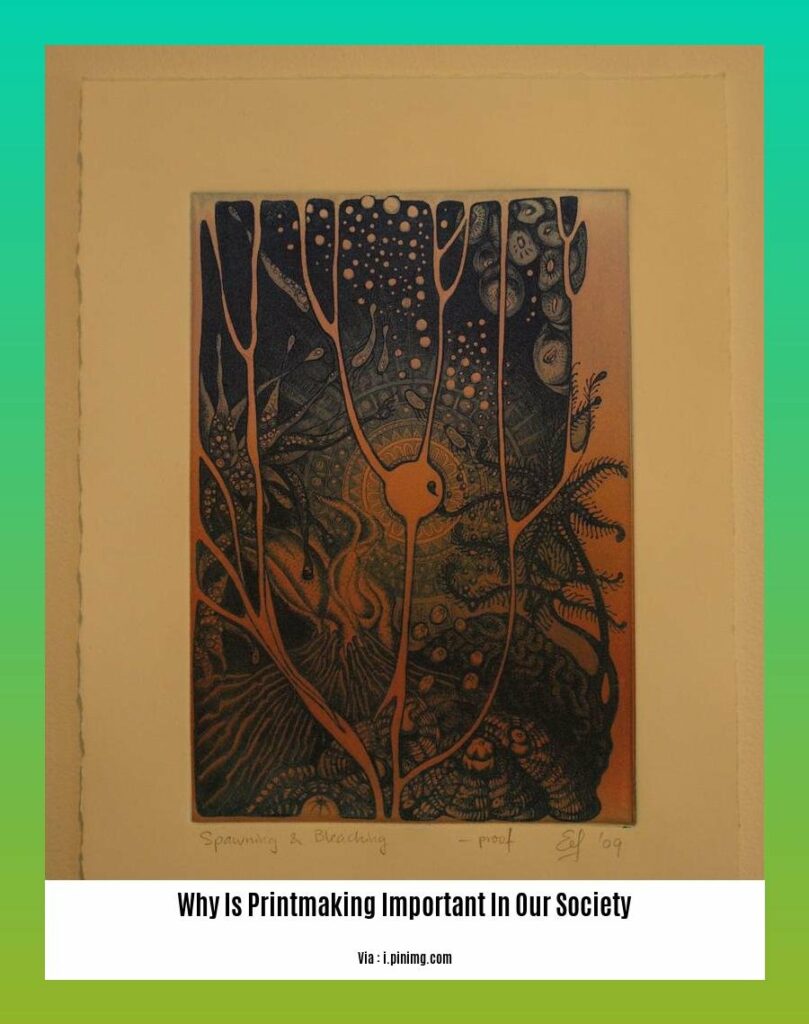
The community of miniature printmakers is a tight-knit one, bound by shared struggles and triumphs. Workshops, online forums, and exhibitions dedicated to tiny prints foster a sense of camaraderie among artists. They swap tips on everything from tool sharpening to ink recipes, their collective knowledge a treasure trove for newcomers. It’s a reminder that even in the most solitary of arts, no one is truly alone.
The Future: Where Miniature Meets the Macro
As technology advances, so too does the potential for miniature printmaking. Digital tools like laser engraving and 3D printing are opening new frontiers, allowing artists to create plates with unprecedented precision. Some are even experimenting with interactive prints, where tiny mechanisms or augmented reality elements add layers of engagement to the miniature format.
Yet, for all its technological enhancements, the heart of miniature printmaking remains rooted in tradition. The tactile experience of carving a block, the rhythmic dance of the press, the alchemy of ink and paper—these are practices that connect artists across centuries. In an era of digital dominance, miniature printmaking is a rebellion, a celebration of the handmade, and a testament to the enduring power of art.
So, the next time you encounter a print no larger than your fingernail, take a moment to look closer. You might just find a universe.


Leave a Comment