

The Gulf art scene is an ever-evolving tapestry of creative expression, reflecting not only the rich cultural heritage of the region but also the intricate political undercurrents that shape it. In a landscape where tradition and modernity often collide, artists navigate a complex intersection of identity, state narratives, and global discourse. This vibrant political canvas challenges creators and audiences alike to engage with art in ways that transcend mere aesthetics, turning each brushstroke and installation into a potent dialogue about power, resistance, and transformation.
The Historical Roots of Political Expression in Gulf Art
The history of political expression in the Gulf art scene is deeply entwined with the region’s socio-political evolution. Traditional calligraphy and craftsmanship, often celebrated for their spiritual and poetic qualities, have long served as vehicles for conveying coded political messages and cultural pride. For instance, traditional calligraphy is not only a visual art form but also a vessel for preserving ideologies that have molded societal structures across centuries.

These intricacies of historical influence underscore how deeply embedded political expression is within the Gulf’s artistic heritage. From the subtle use of symbolism to the deliberate choice of motifs, artists have consistently illuminated social dynamics and power relationships, even in eras when open dissent was fraught with risk.
Modern Artistic Voices and Political Narratives
Contemporary Gulf artists employ a multifaceted approach to political commentary, often blending tradition with abstraction to articulate complex socio-political realities. Their works grapple with themes such as national identity, globalization, migration, and censorship. This blend creates a rich visual lexicon that the audience must decipher, opening pathways to multiple, often competing interpretations.
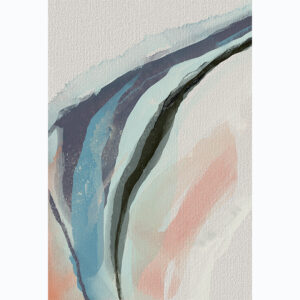
For example, abstract works titled with evocative names like “Grace” invite viewers to meditate on the fragility and resilience inherent in the Gulf’s political scene. These pieces eschew literal depiction, opting instead for mood and atmosphere to reveal the undercurrents of tension and hope woven into the fabric of Gulf society. Through abstraction, political critique becomes a subtle dance, balancing articulation and ambiguity.
Visual Storytelling: Artistic Mediums as Instruments of Political Discourse
The diversity of mediums available to Gulf artists fuels their ability to communicate nuanced political perspectives. From traditional painting and calligraphy to cutting-edge digital installations and performance art, each medium offers unique modes of engaging the public’s consciousness.
Calligraphy, for instance, remains not only a revered heritage art form but also a powerful metaphorical tool. The fluidity of written language, intertwined with visual aesthetics, challenges viewers to reconsider the boundaries between authority and artistry. Likewise, digital media opens new frontiers for activism—allowing artists to circumvent censorship, engage with diasporic communities, and visualize the invisible socio-political currents shaping the Gulf.
The Role of Art Institutions and Exhibitions
Art institutions and galleries in the Gulf play a pivotal role in shaping the political dialogue through curation and exhibition. By selecting themes and artists that embody particular narratives, they become influential arbiters of cultural memory and political conversation. Exhibitions are often carefully calibrated, walking a fine line between provocation and acceptability within often restrictive environments.
This curation transforms public spaces into arenas of political negotiation, where viewers are invited to confront uncomfortable truths or celebrate moments of collective aspiration. The dialogue generated within these spaces often transcends national borders, contributing to a more global conversation on governance, freedom, and cultural identity.
Navigating Censorship and Public Perception
Censorship remains a formidable challenge in the Gulf art scene, compelling artists to develop sophisticated methods of communication that avoid outright confrontation while delivering potent political critiques. Symbolism, allegory, and abstraction become essential tools to embed critiques that resonate beneath the surface.
Public perception, too, is heterogeneous—shaped by generational divides, religious sensibilities, and exposure to global ideas. Therefore, artists often juggle the tension between accessibility and profundity, ensuring their messages reach a broad, sometimes international audience, without alienating local patrons or inviting repression.
Globalization and the Gulf Artist’s Political Expression
As Gulf societies become increasingly interconnected with global networks, their art communities expand their political vocabularies to include universal themes of human rights, environmental concerns, and technological change. This global lens enriches local narratives without erasing regional specificity.

Artists envision futures that reconcile tradition and innovation, challenging static conceptions of Gulf identity and politics. Through visionary frameworks, they invite audiences to engage with possibilities rather than merely the present conflicts, making the political canvas an evolving, dynamic field of exploration.
Conclusion: The Ever-Shifting Political Canvas
Navigating expression within the Gulf art scene demands an acute awareness of the interplay between history, identity, and political realities. Artists walk a tightrope—balancing subtlety and boldness, tradition and innovation—to create works that reflect and shape public discourse. Their political canvas is neither fixed nor uniform; it pulsates with diverse voices striving to redefine the parameters of freedom and control.
As the Gulf continues to evolve socially and politically, its art will remain a crucial arena where power is contested and expressed with nuance and creativity. For those who engage with it, Gulf art offers not just visual pleasure, but a profound narrative about resilience, transformation, and the indomitable spirit of expression.


Leave a Comment