

In the relentless hum of urban life, where concrete monoliths stretch toward the heavens and the scent of asphalt lingers in the air, a quiet rebellion is taking root. It’s not a revolution of barricades or slogans, but one of moss-covered stones and whispering ferns. The miniature forest, a biophilic art form that thrives on the corner of an office desk or the windowsill of a studio apartment, is more than a decorative flourish—it’s a sanctuary of serenity in a world that often feels devoid of green. This isn’t just about aesthetics; it’s about reclaiming a fragment of the wild, a tactile reminder of the ecosystems that once blanketed the earth, now distilled into a palm-sized ecosystem of wonder.
Why does the sight of a tiny, meticulously arranged forest evoke such profound fascination? Perhaps it’s the paradox of containment—nature, in all its untamed glory, distilled into a vessel small enough to cradle in your hands. Or maybe it’s the silent dialogue between the macrocosm and microcosm, where a single droplet of water on a leaf can mirror the cycle of rain in a distant jungle. Whatever the reason, the miniature forest is a testament to humanity’s enduring need to connect with the natural world, even when the world outside is a grid of steel and glass.
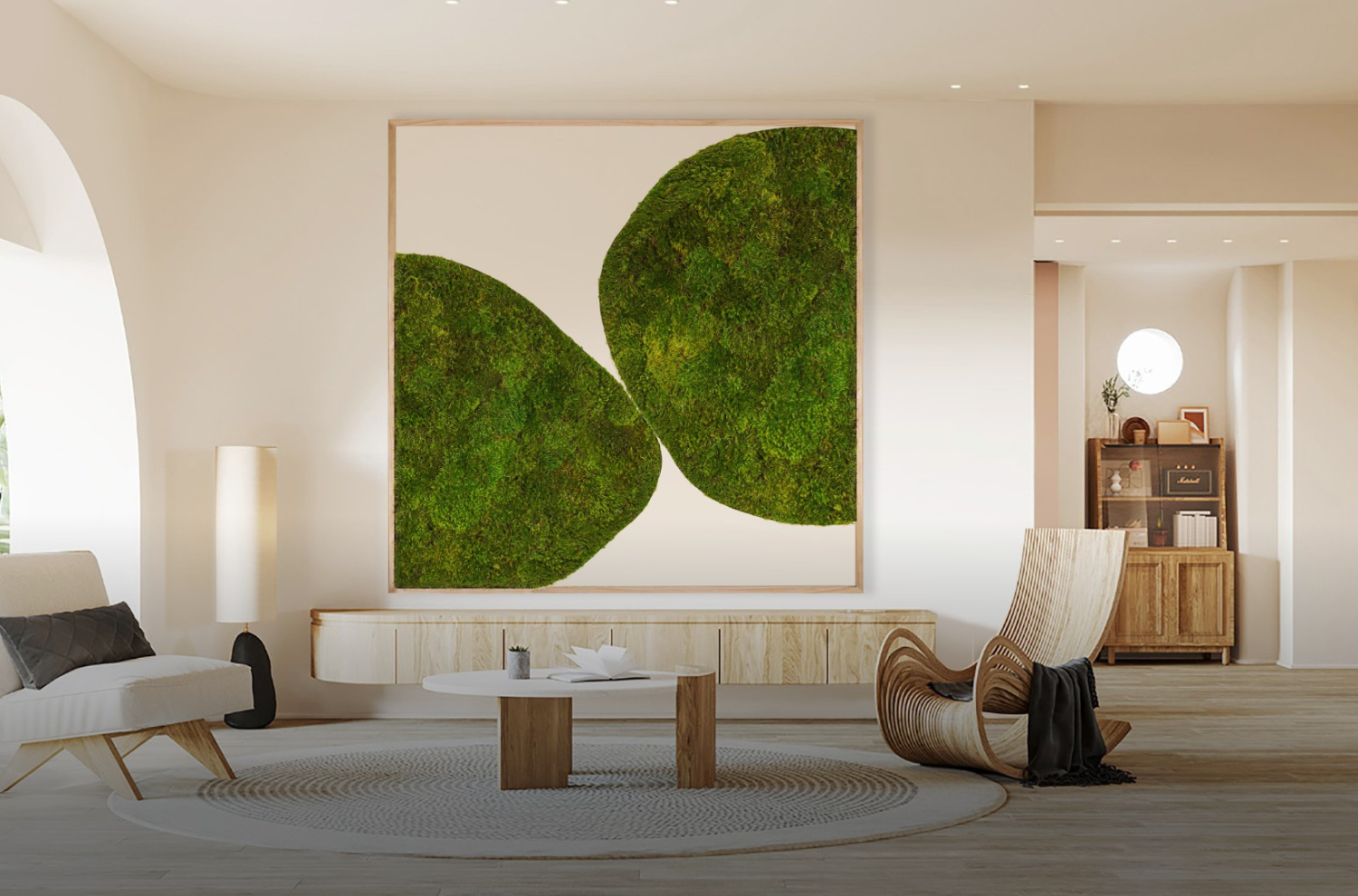
The Allure of the Miniature: Why Small Forests Captivate the Human Psyche
The human brain is wired to find solace in patterns, and the miniature forest is a masterclass in controlled chaos. Unlike the rigid symmetry of a geometric garden, a well-crafted miniature forest mimics the organic irregularity of nature—each branch, each leaf, each pebble placed with an almost meditative precision. This juxtaposition of order and wildness creates a visual rhythm that is both soothing and intriguing. Studies in environmental psychology suggest that exposure to such miniature ecosystems can reduce stress levels, lower cortisol, and even enhance cognitive function. It’s as if the mind, starved for complexity in a world of digital simplicity, finds itself nourished by the intricate details of a tiny woodland.
There’s also the element of storytelling. A miniature forest isn’t just a collection of plants; it’s a narrative frozen in time. The twisted roots of a preserved oak sapling might suggest centuries of growth, while a winding path of miniature stones could imply a journey through uncharted territory. These tiny landscapes invite the viewer to project their own stories onto them, turning a static display into a dynamic experience. It’s a phenomenon known as “pareidolia,” where the brain perceives meaning in ambiguous stimuli—in this case, a forest that feels alive with untold histories.
Consider the Japanese concept of wabi-sabi, the beauty of imperfection and transience. A miniature forest, with its delicate balance of life and decay, embodies this philosophy effortlessly. The slight yellowing of a mossy patch or the delicate curl of a fern frond isn’t a flaw—it’s a reminder of the passage of time, a silent ode to the ephemeral nature of all things. In a world obsessed with permanence and perfection, the miniature forest offers a refreshing counterpoint: beauty in the fleeting, serenity in the transient.
Crafting a Pocket of Paradise: The Art and Science of Biophilic Design
Creating a miniature forest is not merely an act of decoration; it’s a deliberate exercise in biophilic design—the practice of integrating natural elements into human-made spaces to enhance well-being. The term “biophilia,” coined by biologist E.O. Wilson, refers to humanity’s innate tendency to seek connections with nature. In an era where urbanization has severed many of these ties, biophilic art serves as a bridge, reconnecting us to the ecosystems that sustain us.
The process begins with the selection of materials. Preserved moss, with its velvety texture and vibrant hues, forms the backbone of most miniature forests. Unlike live moss, which requires constant moisture and care, preserved moss retains its lush appearance indefinitely, making it ideal for indoor settings. Complementing the moss are tiny ferns, their fronds unfurling in delicate spirals, and miniature branches that mimic the gnarled limbs of ancient trees. Even the smallest details matter—a scattering of pebbles can evoke the dry bed of a forest stream, while a cluster of preserved lichen might suggest the crustose growths clinging to a fallen log.

But biophilic design isn’t just about aesthetics; it’s about function. The miniature forest on your desk isn’t just a pretty object—it’s a living ecosystem that subtly influences the air around it. Plants, even in miniature form, contribute to air purification by absorbing volatile organic compounds (VOCs) and releasing oxygen. The presence of greenery has also been shown to reduce eye strain and mental fatigue, particularly in environments dominated by screens and artificial lighting. In this way, the miniature forest becomes more than a decorative piece; it’s a micro-oasis of health and vitality.
The arrangement of elements within the forest is equally critical. A well-designed miniature forest often employs the principles of layering, with taller plants at the back and shorter ones in the foreground to create depth. The use of negative space—those empty patches of soil or gaps between branches—allows the eye to rest, preventing visual clutter. Even the choice of container plays a role; a shallow, wide tray can evoke the expanse of a forest floor, while a tall, narrow vessel might suggest the verticality of a woodland canopy. The goal is to create a sense of immersion, to make the viewer feel as though they’ve stumbled upon a hidden glade rather than a constructed display.
The Psychological Benefits: More Than Just a Pretty Display
The fascination with miniature forests isn’t merely aesthetic—it’s deeply psychological. In a study published in the Journal of Environmental Psychology, researchers found that participants who interacted with indoor plants reported lower levels of stress and greater feelings of relaxation. The miniature forest, with its intricate details and natural textures, amplifies this effect. The act of tending to the forest—pruning a wayward branch, misting the moss, or simply observing the interplay of light and shadow—can be a form of mindfulness, a meditative practice that grounds the mind in the present moment.
There’s also the concept of prospect and refuge, a theory in environmental psychology that suggests humans are drawn to spaces that offer both a sense of openness (prospect) and a place of safety (refuge). A miniature forest, with its dense foliage and winding paths, provides both. The viewer can imagine themselves as an explorer, venturing into the unknown, while simultaneously feeling cocooned by the surrounding greenery. This duality taps into an ancient part of our psyche, one that associates dense vegetation with both mystery and protection.
For those who work in high-stress environments, the miniature forest can serve as a tangible anchor to the natural world. The sight of a tiny waterfall cascading over a miniature cliff or the delicate unfurling of a fern frond can act as a visual reset, a momentary escape from the relentless pace of modern life. In this way, the miniature forest becomes a tool for emotional regulation, a silent companion that offers comfort without demanding attention.
From Desk to Diorama: The Versatility of Biophilic Art
The appeal of the miniature forest extends far beyond the confines of an office desk. Artists and designers have reimagined this concept in countless ways, from terrariums that double as sculptural centerpieces to dioramas that transport viewers to fantastical landscapes. One particularly striking example is the use of geometric terrariums, where the rigid lines of glass or metal frames contrast with the organic forms of the plants within. This juxtaposition creates a visual tension that is both modern and timeless, appealing to those who appreciate the interplay of nature and design.
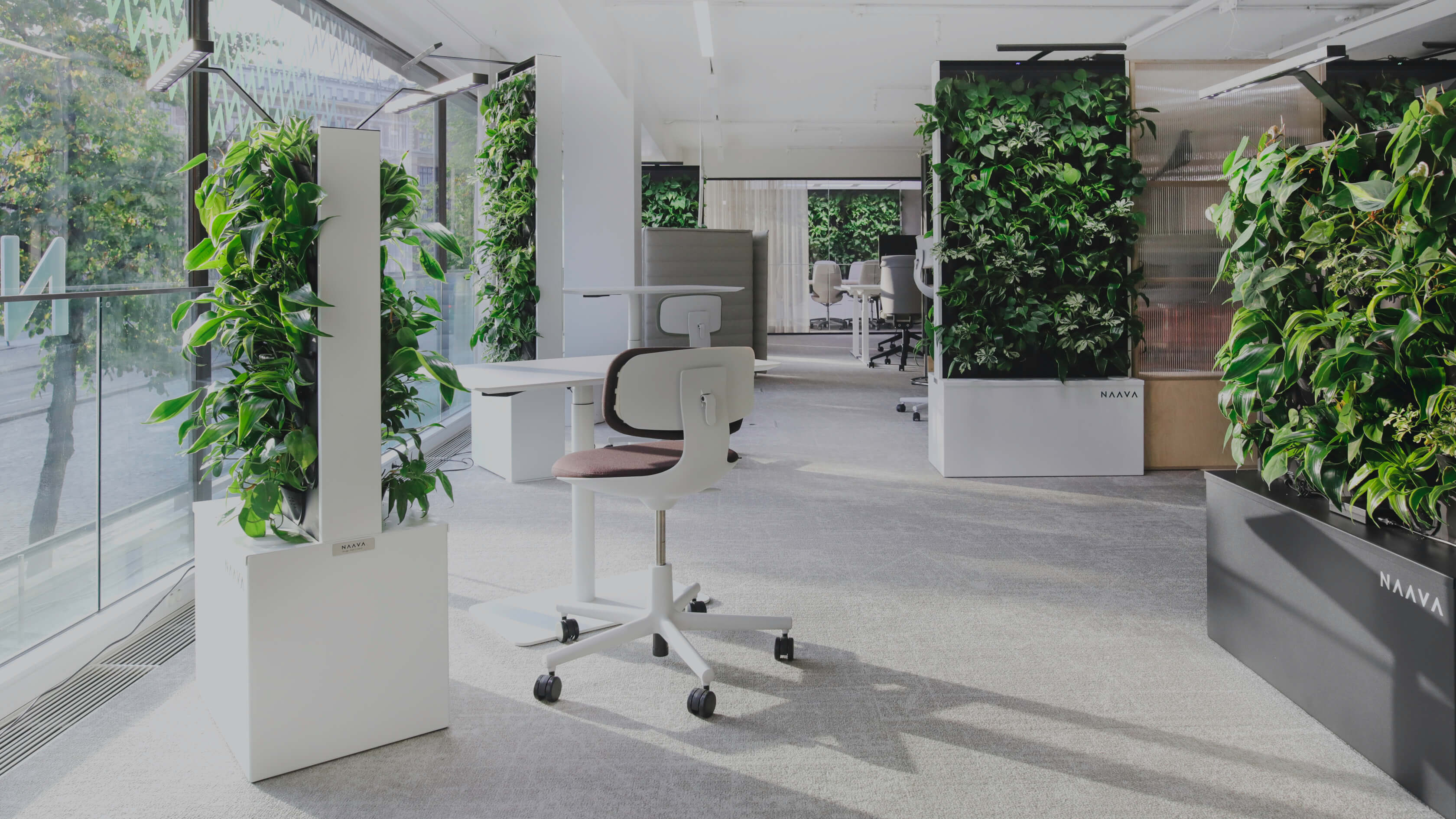
Another innovative approach is the use of preserved ecosystems in art installations. These pieces often incorporate elements like preserved ferns, lichen, and even tiny mushrooms, creating a three-dimensional representation of a forest floor. When placed in a gallery or public space, such installations invite viewers to step closer, to examine the details, and to lose themselves in the intricate world before them. The tactile nature of these pieces—inviting touch, even if only visually—enhances the sense of connection to the natural world.
For those with a more hands-on approach, creating a miniature forest can be a rewarding hobby. Kits are widely available, offering everything from pre-shaped moss to miniature figurines of woodland creatures. The process of assembling the forest becomes a form of creative expression, allowing the artist to infuse their personality into the landscape. Whether it’s a whimsical fairy garden or a hyper-realistic woodland scene, the act of creation itself can be therapeutic, a meditative escape from the demands of daily life.
The Deeper Connection: Rewilding the Urban Mind
At its core, the miniature forest is a symbol of resilience—a tiny, thriving ecosystem in a world that often feels hostile to nature. It’s a reminder that life persists, even in the most unlikely places. For urban dwellers, it’s a way to reconnect with the natural world without leaving the comfort of home. But it’s also more than that. It’s a statement, a quiet rebellion against the sterility of modern design, a declaration that beauty and life can flourish even in the smallest of spaces.
The fascination with miniature forests also hints at a deeper longing—a desire to preserve the wild, to hold onto a fragment of the natural world in an era of environmental degradation. In a time when forests are being cleared at an alarming rate, the miniature forest becomes a microcosm of hope, a testament to the enduring power of nature to inspire and sustain us. It’s a way to bring the outdoors in, to cultivate a sense of stewardship, and to remember that we are, at our core, creatures of the earth.
So the next time you find yourself drawn to the sight of a tiny forest on a desk or a shelf, take a moment to appreciate what it represents. It’s not just a decoration—it’s a sanctuary, a story, a silent companion in a world that often feels too loud and too fast. In its delicate balance of life and artistry, the miniature forest offers a glimpse into a world where nature and humanity coexist, if only for a moment. And perhaps, in that moment, we find a little more peace, a little more wonder, and a little more connection to the wild heart of the world.


Leave a Comment