

The air hums with the quiet promise of change—subtle, yet undeniable. Beneath the surface of today’s fashion landscape, a revolution is brewing, one that will unfurl its petals in the Spring Summer 2027 season. Imagine a world where florals are no longer confined to the delicate whispers of romance or the nostalgia of vintage gardens. Instead, they burst forth as bold declarations, as architectural statements, as living canvases of innovation and emotion. This is not merely an evolution; it is a metamorphosis. The floral motif, long a symbol of nature’s grace, is poised to shatter expectations, to transcend tradition, and to redefine what it means to wear the bloom of the future. Welcome to the dawn of a new floral epoch—one where every stitch tells a story, and every hue carries the weight of tomorrow.
Picture, if you will, a runway bathed in the golden glow of sunset. Models stride forward, their silhouettes draped in fabrics that ripple like petals caught in a breeze. But these are no ordinary petals. They are digital embroideries that shift color with the wearer’s movement. They are holographic prints that flicker between dawn and dusk. They are three-dimensional blooms that grow and wilt in real time, responding to environmental data. This is the future of floral fashion—where technology and nature entwine in a dance as old as time, yet as fresh as the morning dew. The promise of 2027 is not just in what we wear, but in how we experience it. It is an invitation to see the world—and ourselves—through a lens of boundless creativity.
The Language of Petals Reimagined: From Symbolism to Subversion
Florals have always spoken, but never before have they spoken so loudly. In 2027, the language of petals will evolve from gentle poetry to unapologetic manifesto. Gone are the days when floral prints were relegated to springtime pastels or romantic femininity. The new floral lexicon is fearless, unisex, and unmoored from convention. We will witness the rise of floral punk—a movement where blooms are rendered in graffiti-like splashes of neon, where thorny vines coil around leather jackets, and where roses bloom in riotous shades of electric blue and violent violet. These are not flowers to be admired from afar; they are declarations to be worn with pride, symbols of defiance and vitality.
Consider the monstera motif, once a humble houseplant icon. By 2027, it will have been reimagined as a sprawling, almost alien presence on fabric—its split leaves rendered in metallic foils, its veins pulsing with iridescent threads. This is not mere decoration; it is a visual manifesto of abundance and otherworldly beauty. Similarly, the humble daisy will no longer be confined to its pristine white and yellow. Instead, expect to see daisies in chromatic dissonance—petals in clashing hues of fuchsia and lime, centers that glow in the dark, or patterns that shift under UV light. The floral print of the future is not just seen; it is experienced, felt, and even heard, as fabrics that rustle with embedded sound chips mimic the whisper of leaves.
Sustainable Blooms: The Ethical Renaissance of Floral Fashion
Yet, this floral revolution will not come at the cost of the planet. In 2027, sustainability will not be an afterthought—it will be the very soil from which these blooms grow. The fashion industry, long criticized for its environmental footprint, will embrace a new paradigm: circular florals. Imagine garments woven from algae-based fibers that bloom and decompose naturally, or dresses dyed with pigments extracted from genetically modified flowers that require no synthetic chemicals. The floral prints of tomorrow will be printed using waterless dye techniques, where each motif is a testament to resourcefulness rather than waste.
Even the concept of slow fashion will find a new ally in florals. Consumers will seek out pieces that tell a story—garments where each petal is hand-embroidered by artisans using biodegradable threads, or where the fabric itself is grown from mycelium, the root structure of mushrooms, shaped into wearable art. The floral trend of 2027 will not just adorn; it will heal. It will remind us that beauty and responsibility are not mutually exclusive, but rather, two sides of the same verdant coin. This is fashion that breathes, that grows, that returns to the earth with grace.
Architectural Florals: When Petals Become Structure
Move over, minimalism. The floral trend of 2027 is not about subtlety—it is about structural audacity. Designers will treat petals as building blocks, crafting garments that are as much sculpture as they are clothing. Picture a coat where the lapels unfurl like magnolia blossoms, their edges lined with tiny, solar-powered LEDs that illuminate the wearer’s path. Envision a dress where the skirt is a cascading waterfall of pleated silk, each pleat mimicking the layered petals of a camellia. These are not garments to be tucked away in a closet; they are centerpieces, wearable art that commands attention and sparks conversation.
The silhouette itself will undergo a floral facelift. Expect to see petal sleeves—sleeves that flare out like the unfurling of a fern, or corolla collars—high, structured necklines that resemble the crown of a flower. Even footwear will not escape this botanical upheaval. Shoes will feature heels shaped like thorns, or soles embedded with seeds that can be planted after the season ends. This is fashion as architecture, where every curve and contour is a homage to the organic world, yet reimagined through the lens of human ingenuity.

The Palette of Tomorrow: Earthy Depths and Celestial Hues
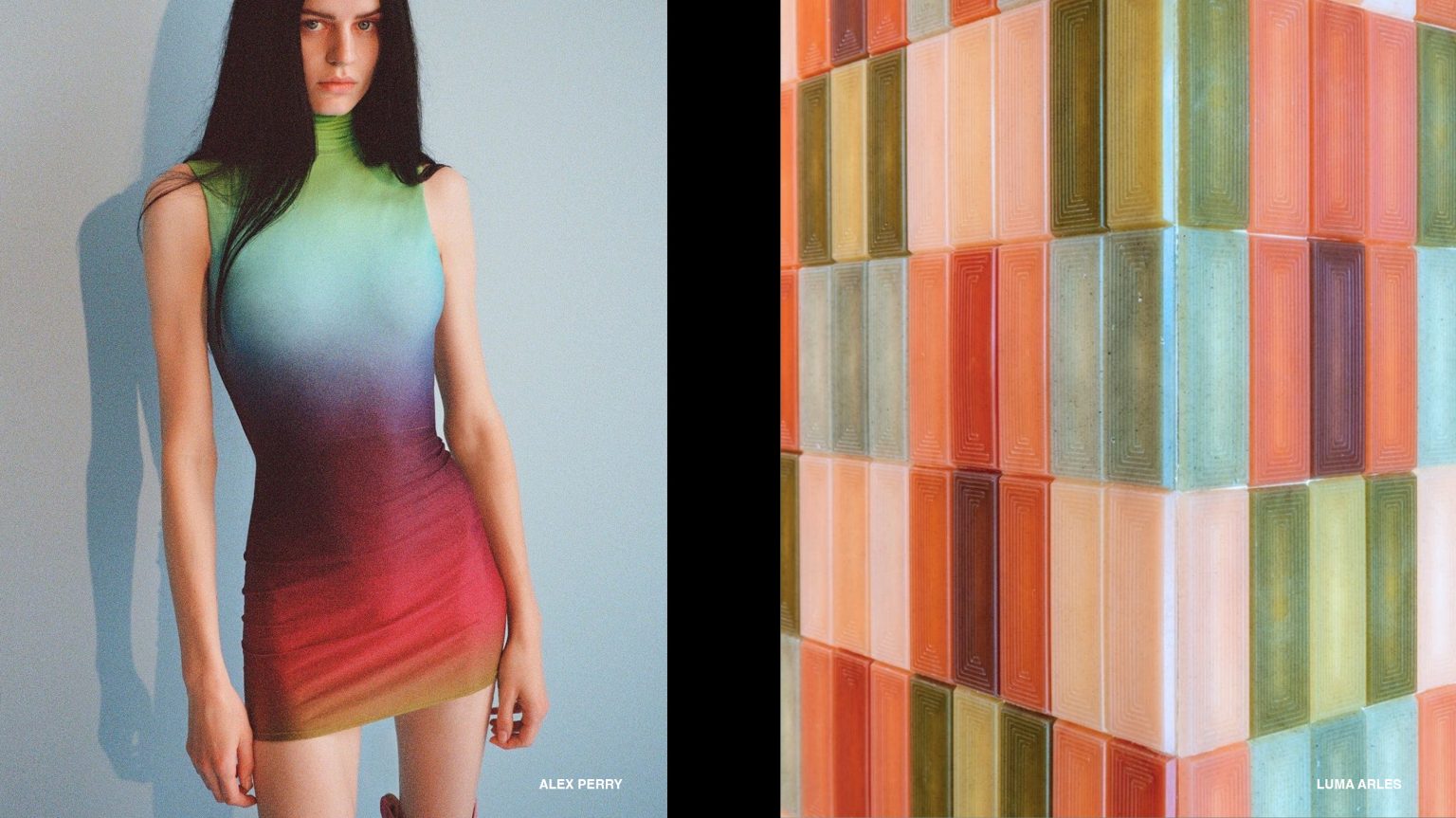
Color, too, will undergo a floral metamorphosis. The Spring Summer 2027 palette will be a study in contrasts—deep, moody earth tones will collide with shimmering, almost extraterrestrial shades. Terracotta will reign supreme, not as a dull brown, but as a vibrant, sun-baked hue that glows like embers. It will be paired with celadon green, a cool, almost aquatic shade that evokes the first unfurling of a leaf in spring. But the true stars of the show will be the iridescent florals—petals that shift between gold and violet, or silver and emerald, depending on the angle of light.
Expect to see bioluminescent blooms, fabrics that glow softly in the dark, mimicking the ethereal light of fireflies. These are not just colors; they are experiences. They are the visual equivalent of a symphony, where each hue plays a role in a grand, immersive composition. The 2027 floral palette will be a bridge between the terrestrial and the celestial, a reminder that even in the most futuristic of designs, we remain rooted in the natural world.
Cultural Resonance: Florals as a Mirror of Society
Fashion is never created in a vacuum, and the floral trends of 2027 will be no exception. These blooms will reflect the cultural zeitgeist, serving as a mirror to the hopes, fears, and aspirations of a generation. In an era marked by rapid technological advancement and environmental urgency, florals will emerge as symbols of resilience and rebirth. They will be worn by activists, artists, and innovators alike, each petal a testament to the power of nature in an increasingly artificial world.
In some corners of the globe, floral motifs will be infused with local traditions, creating a tapestry of global influences. In Japan, expect to see ikebana-inspired designs, where garments are structured like carefully arranged floral arrangements. In Africa, bold, geometric florals will draw from traditional textile patterns, infusing them with modern silhouettes. In South America, vibrant, tropical blooms will burst forth in riotous color, celebrating the region’s rich biodiversity. The floral trend of 2027 will be a celebration of diversity, a fusion of old and new, a dialogue between cultures.
The future of florals is not just about what we wear—it is about who we are. It is about reclaiming nature in a world that often feels disconnected from it. It is about embracing beauty without sacrificing ethics. It is about wearing our values, our dreams, and our defiance on our sleeves—or rather, on our petals. As we stand on the cusp of this new era, one thing is clear: the language of florals is evolving, and it is speaking directly to the soul of humanity.
The petals are unfurling. The future is blooming. And it is glorious.


Leave a Comment