

In a world where beauty standards are often painted in broad, unyielding strokes, what happens when an artist dares to dip their brush into the subtler hues of the minor key? The answer isn’t just a shift in tone—it’s a revolution in perception. In Minor Keys, a concept that whispers rather than shouts, redefines beauty by embracing the understated, the introspective, and the quietly profound. It’s not about the glare of neon lights or the clamor of a crowded stage; it’s about the hush of a moonlit room, the flicker of a candle, the way shadows play across a face. This is beauty stripped of its usual armor, revealed in its most vulnerable, most authentic form.
But here’s the playful challenge it poses: Can we truly appreciate beauty when it refuses to demand our attention? In a culture that thrives on immediacy and spectacle, the minor key’s subtle allure asks us to slow down, to listen, and to see beyond the obvious. It’s a test of patience, of perception, and perhaps, of courage. After all, what good is a masterpiece if we’re too rushed to notice its brushstrokes?
The Philosophy of the Minor Key: Beauty in the Shadows
The minor key isn’t just a musical term—it’s a metaphor for a way of seeing. In art, literature, and even personal style, the minor key thrives in the spaces where light doesn’t reach directly. It’s the smoky ambiance of a jazz club, the melancholic melody of a rainy afternoon, the quiet confidence of a person who doesn’t need to shout to be heard. This philosophy rejects the tyranny of perfection, instead celebrating the beauty of imperfection, asymmetry, and the ephemeral.
Consider the Japanese concept of wabi-sabi, where beauty is found in the imperfect, the impermanent, and the incomplete. The minor key aligns with this ethos, suggesting that beauty isn’t about flawlessness but about resonance. A cracked vase, a fading photograph, a voice that trembles with emotion—these are the elements that linger in the mind long after the bright, polished images have faded. In Minor Keys takes this idea further, proposing that beauty isn’t just something to admire from a distance but something to experience, to feel, to live with.

The Aesthetic of Subtlety: Why Less is More
In a world saturated with filters, Photoshop, and the relentless pursuit of “flawless” skin, the minor key’s aesthetic is a breath of fresh air. It’s the art of restraint, where every detail is intentional, and nothing is exaggerated. Think of a black-and-white photograph where the play of light and shadow tells the story, or a poem that conveys volumes with a single, carefully chosen word. This is beauty that doesn’t scream—it sighs.
Take, for example, the way a simple linen dress can outshine a sequined gown. The minor key understands that elegance isn’t about opulence but about intention. It’s the difference between a room filled with clutter and one where each object has been chosen with care. The latter doesn’t just catch the eye—it invites the soul to linger. In Minor Keys champions this approach, arguing that true beauty is often found in the spaces between the obvious, in the pauses between the notes, in the quiet moments that most people overlook.
But here’s where the challenge arises: Can we, as a society, truly embrace this kind of subtlety? In an age of instant gratification, where beauty is often reduced to a 15-second reel or a perfectly curated Instagram grid, the minor key demands something far more radical—patience. It asks us to look closer, to feel deeper, and to resist the urge to move on to the next bright, shiny thing.
The Power of Mood: How Lighting Shapes Perception
Lighting isn’t just a technical element in photography or film—it’s a storyteller. The minor key understands this implicitly, using light to evoke mood, emotion, and atmosphere. Soft, diffused lighting can transform a face from ordinary to extraordinary, highlighting the delicate contours of cheekbones, the subtle shadows under the eyes, the way a smile can change the entire mood of a portrait. It’s not about harsh, direct light that flattens and exposes; it’s about the gentle caress of a golden hour glow or the moody ambiance of a dimly lit room.
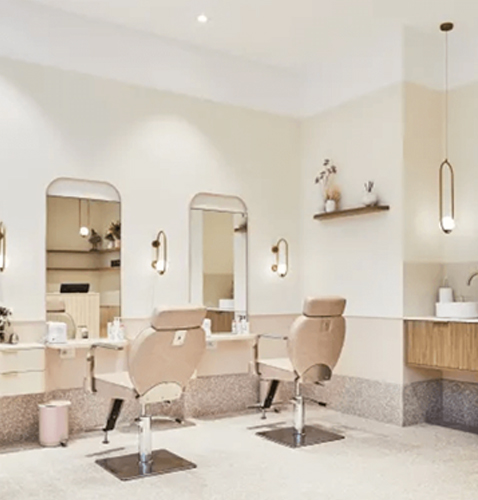
Consider the work of photographers like Peter Lindbergh or Paolo Roversi, who have mastered the art of capturing beauty in its most raw and unfiltered form. Their images don’t rely on heavy makeup or dramatic poses; instead, they let the natural light and the subject’s presence do the talking. The minor key’s approach to lighting is similar—it’s about creating an environment where beauty can breathe, where it isn’t forced or exaggerated but allowed to exist in its most authentic state.
This isn’t to say that bold, high-contrast lighting doesn’t have its place. But the minor key’s strength lies in its ability to make the ordinary feel extraordinary. It’s the difference between a portrait that feels like a mugshot and one that feels like a glimpse into someone’s soul. And in a world where so much of beauty is performative, this kind of authenticity is nothing short of revolutionary.
The Challenge of Authenticity: Can We Handle the Truth?
Here’s the crux of the matter: The minor key’s beauty isn’t just about aesthetics—it’s about authenticity. It’s about showing up as you are, without the armor of filters, Photoshop, or performative perfection. But authenticity is a double-edged sword. On one hand, it’s liberating; on the other, it’s terrifying. What if we’re not as beautiful as we thought? What if the cracks in our facade are more visible than we’d like?
This is where the minor key’s power truly lies. It doesn’t promise perfection—it promises truth. And truth, as we all know, isn’t always pretty. But it is real. It’s the laugh lines around the eyes, the freckles that refuse to fade, the way a face changes when it’s not posed for the camera. It’s the beauty of vulnerability, of showing up as a work in progress rather than a finished product.
Yet, this kind of authenticity requires a level of self-acceptance that many of us struggle with. We’ve been conditioned to believe that beauty is something to be achieved, something to be perfected. The minor key flips this script, suggesting that beauty is something to be experienced, something to be lived. It’s not about becoming more beautiful—it’s about becoming more real.
So, the challenge is this: Can we handle the truth of our own beauty? Can we look in the mirror and see not just what we wish we were, but what we truly are? The minor key doesn’t offer easy answers, but it does offer something far more valuable—a way to see ourselves and the world with new eyes.
The Future of Beauty: A Minor Key Revolution
The rise of the minor key in beauty and art isn’t just a trend—it’s a movement. It’s a rejection of the idea that beauty must be loud, bright, and immediately gratifying. Instead, it’s an embrace of the quiet, the subtle, and the deeply personal. It’s a call to slow down, to look closer, and to find beauty in the places we least expect.
This revolution isn’t just for artists or photographers; it’s for everyone. It’s a reminder that beauty isn’t something external, something to be chased or purchased. It’s something that exists within us, in the way we move through the world, in the way we treat ourselves and others. It’s in the way we light a candle, the way we choose our words, the way we carry ourselves.
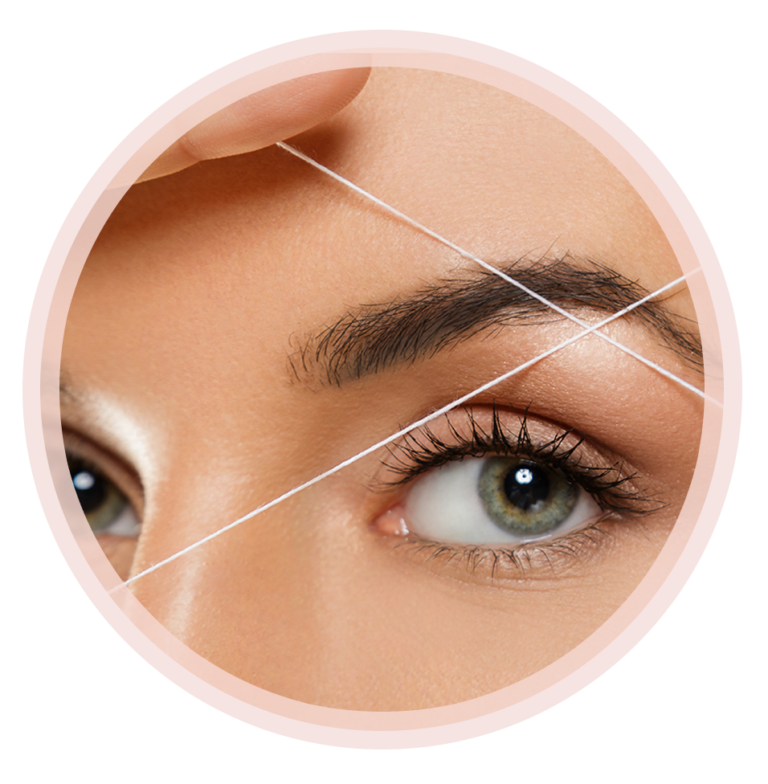
The future of beauty, then, isn’t about more—it’s about less. It’s about stripping away the noise, the clutter, the performative perfection, and getting back to what truly matters. It’s about finding beauty in the minor keys of life, in the spaces between the notes, in the quiet moments that most people overlook.
And perhaps, in doing so, we’ll discover that the most beautiful things in life aren’t the ones that demand our attention—they’re the ones that quietly, subtly, change us forever.
So, the next time you find yourself chasing the next big thing, the next bright, shiny ideal of beauty, pause for a moment. Turn down the volume. Dim the lights. Listen to the minor key. You might just find that the beauty you’ve been searching for was there all along.


Leave a Comment