

In a world that often prizes order, precision, and the meticulous curation of perfection, there exists a counterculture of creators, thinkers, and doers who thrive in the delightful disarray of the creative process. These are the chaoticists—individuals who embrace the mess not as an obstacle, but as an essential ingredient in the alchemy of innovation. Their legacies are not built on pristine archives or flawless execution, but on the vibrant, sometimes unruly tapestry of ideas left behind. To leave a beautiful mess is to acknowledge that growth is untidy, progress is unpredictable, and the most profound human achievements often emerge from the collision of chaos and clarity. This is the story of how embracing disorder can yield a legacy more vibrant, more human, and ultimately more enduring than any polished façade.
The chaoticist’s legacy begins with the raw materials of creativity: sketches on napkins, half-finished manuscripts, scribbled equations on the back of receipts, and digital folders brimming with untitled drafts. These fragments are not signs of failure; they are the fossil records of a mind in motion. Consider the writer who scribbles dialogue in the margins of a grocery list or the artist who captures fleeting inspiration on a crumpled subway ticket. Each scrap is a testament to the creative impulse in its most unfiltered form. When preserved thoughtfully, these relics become more than clutter—they become a living archive of the creative journey. They tell a story not of perfection, but of persistence, of the courage to begin before knowing the end.
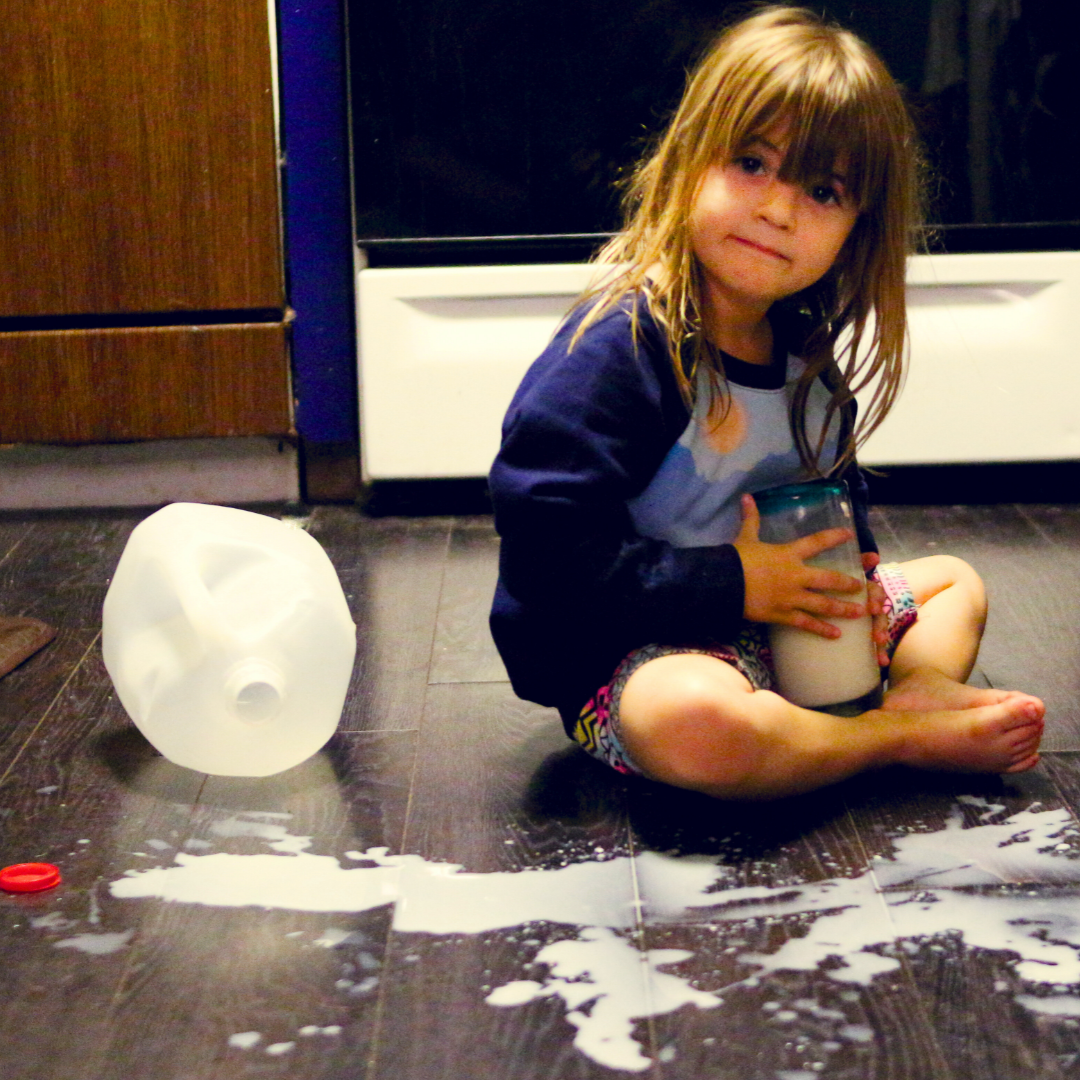
But a beautiful mess is not merely about accumulation—it is about curation through intention. The chaoticist understands that not every idea deserves immortality, yet every idea deserves respect. The key lies in discernment: which fragments to preserve, which to discard, and which to transform. This process mirrors the natural world, where decay and growth are intertwined. A fallen leaf nourishes the soil; a discarded sketch fuels the next masterpiece. By treating each piece of creative detritus as a potential seed, the chaoticist transforms what others might call waste into a legacy of generative abundance. Imagine a studio wall covered in Polaroids of failed experiments—each one a lesson, each one a stepping stone. Over time, the wall becomes a constellation of growth, a visual manifesto of evolution.
One of the most powerful manifestations of the chaoticist’s legacy is the unfinished project. History is rich with masterpieces that were left incomplete—whether by circumstance, choice, or the relentless march of time. Beethoven’s unfinished Tenth Symphony, Kafka’s uncompleted novels, or Leonardo da Vinci’s scattered anatomical studies—these works are not failures. They are invitations. They remind us that creation is not a destination but a dialogue, one that continues long after the creator has stepped away. To leave a project unfinished is to acknowledge the infinite possibilities that lie beyond any single vision. It is an act of humility, a declaration that the work is greater than the artist. Such legacies invite participation, reinterpretation, and collaboration across generations.

Another dimension of the chaoticist’s legacy is the trail of inspiration left in their wake. Think of the teacher who scribbles equations on a whiteboard, erasing and rewriting in real time, leaving behind a chalk-dusted trail of curiosity. Or the musician who improvises a melody during a soundcheck, only for it to become the anthem of a movement. These spontaneous acts of creation ripple outward, inspiring others to embrace their own messy brilliance. The legacy, then, is not just what is left behind, but how it ignites the spark in others. It is the quiet power of a half-formed idea that, when shared, becomes the foundation for something greater. In this way, the chaoticist’s mess is not a burden to be cleaned up, but a gift to be passed forward.
Yet, to leave a beautiful mess is also to confront the tension between chaos and responsibility. How do we honor the creative impulse without drowning in disarray? The answer lies in systems of gentle containment. The chaoticist might use color-coded notebooks for different projects, or digital tools that allow for fluid organization without rigid structure. They might adopt a “trust the process” mindset, knowing that clarity often emerges from the fog of exploration. The goal is not to eliminate mess, but to dance with it—to let it breathe while ensuring it does not suffocate the vision. This balance is not taught in business schools or art academies; it is learned through experience, through the quiet triumphs and stumbles of living creatively.
There is also a profound ecological dimension to the chaoticist’s ethos. In a culture obsessed with consumption and disposal, the act of leaving a beautiful mess is an act of rebellion against wastefulness. It is a refusal to discard what still has life, a commitment to seeing value in the incomplete, the imperfect, the unresolved. This perspective extends beyond art and into life: the half-read book left on the nightstand, the garden that blooms in wild profusion, the conversation cut short but rich with meaning. These are not signs of laziness or neglect; they are affirmations of abundance. They say: there is more to come. There is always more.

The legacy of the chaoticist is ultimately one of authenticity. It is a declaration that life is not meant to be tidied away, but lived in all its messy glory. It is a reminder that the most meaningful human experiences—love, discovery, creation—are not linear, not predictable, not clean. They are jagged, luminous, and alive. To leave a beautiful mess is to leave behind a world that feels more human, more forgiving, more open to the unexpected. It is an invitation to see beauty not in the absence of chaos, but in its embrace.
So let the sketches pile up. Let the drafts multiply. Let the ideas collide and the plans shift. The legacy of the chaoticist is not found in the archive of finished work, but in the living, breathing ecosystem of creation itself. It is a legacy that says: I tried. I stumbled. I grew. And in doing so, I left something behind—not perfect, not polished, but profoundly, beautifully, human.


Leave a Comment