

Imagine a fertile seed, long dormant beneath the barren ground, suddenly rupturing the surface—not in a field kissed by the sun, but upon the polished floors of an indoor space. This is the compelling vision of the returning land artist, whose creative lifeblood, once tied irrevocably to the wide-open. Now, these artists cultivate and harvest nature’s whispers within the confines of walls. This is no mere relocation, but a visionary metamorphosis: the spirit of the land transmuted into intimate environments, inviting us to reconsider where and how we connect to earth’s essence.
Reclaiming Earthly Narratives Within Domestic Walls
The traditional land artist historically functions much like an alchemist, transmuting soil, rocks, and living organisms into grandiloquent, environmental epics. When their canvas shifts indoors, this narrative distills into something more intimate yet no less profound. It’s as if the earth’s stories, once shouted from vast mountain ridges or sprawling deserts, now whisper from the niches of a living room or the quietude of a gallery nook.
The allure lies in the paradox: earthbound, yet uprooted; wild, yet carefully curated. These indoor landscapes evoke a sense of cultivated wilderness where the organic and the designed coexist symbiotically. The viewer’s experience transforms from passive observation to active participation, fostering an immersive dialogue with soil and stone, now refracted through glass cases, sculptural forms, and meticulously designed installations.
Nature’s Palimpsest: Layers of Meaning Beneath the Surface
Each indoor land artwork acts as a palimpsest, embodying layers of ecological memory and cultural resonance. These creations often engage with themes of return and care, echoing efforts to mend the broken covenant between humanity and nature. The act of “return” here is simultaneously literal—a reintroduction of natural elements into domesticated spaces—and metaphorical, a reclamation of lost knowledge and respect for the land.
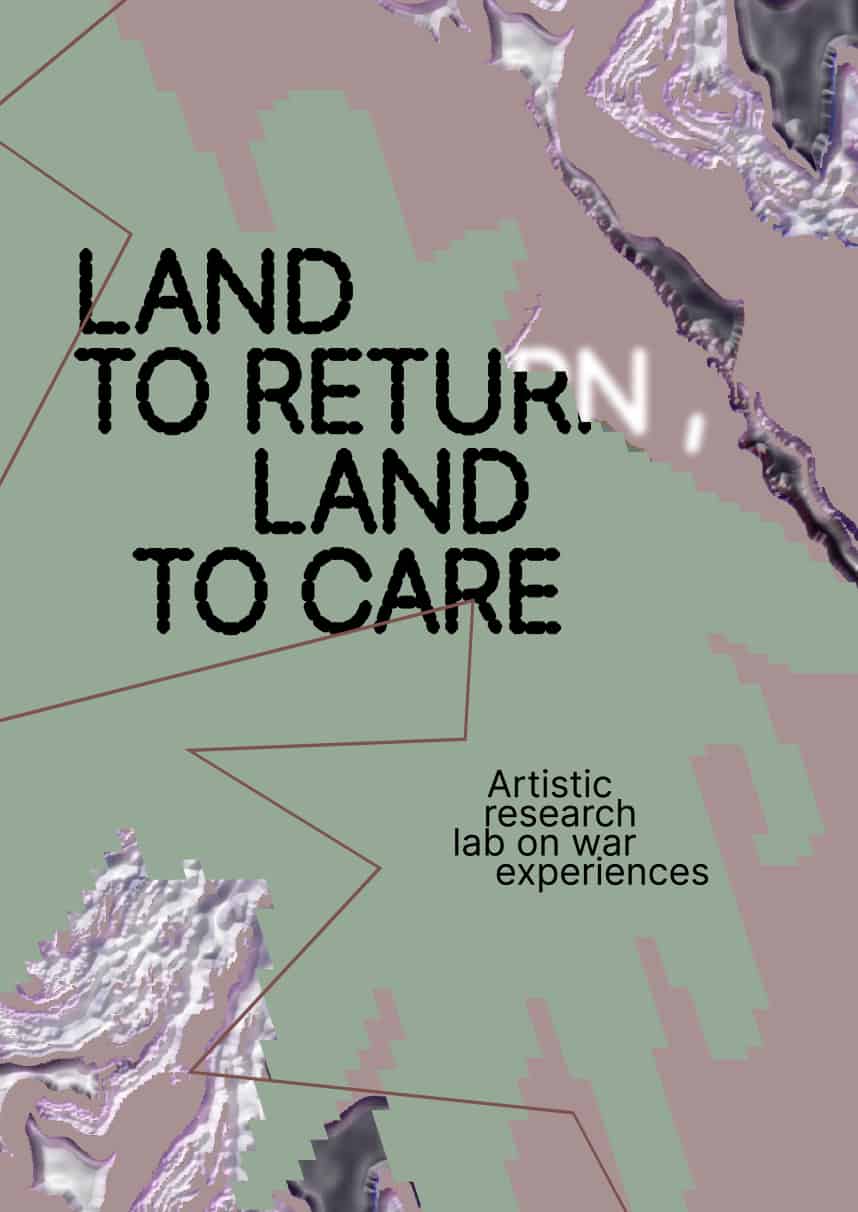
Within these constructions, the soil is not mere dirt but an archive; every granule holds stories, genealogies, and possibilities. The plants transform from simple greenery to living testaments of resilience, and even sculptural forms evoke geological processes, materializing epochs in miniature. This creates a tactile narrative in which time, ecology, and humanity coalesce into a vivid, present moment.
Material Alchemy: Turning Earth Into Artifacts
To bring the land inside requires a deft alchemy of materials—earth reformed, minerals polished, and organic matter reimagined. This transformation is crucial, because indoor environments impose constraints that challenge the elemental chaos of nature. Yet, constraints paradoxically invite ingenuity.

Sand becomes moon-like dust, sculpted into shapes that evoke lunar landscapes but remain anchored in terrestrial origin. Stones are carefully selected for their texture and tone, inviting close inspection and reverence. Plants are chosen not only for their symbolic value but also for their adaptability to indoor microclimates, becoming living sculptures that shift with the passage of time. The artist’s hand is delicate yet purposeful, orchestrating a symphony of elements that bridge wildness and cultivation.
The Indoor Land Artist as Environmental Custodian
In this emerging paradigm, indoor land artists adopt roles larger than creators—they become custodians of environmental consciousness. Their work reminds us that care for the land need not be confined to rural or wilderness spaces. Instead, conservation and reverence can germinate in everyday habitats, encouraging a subtle yet profound shift in how we interact with natural elements in urban or domestic contexts.
This philosophy resounds deeply with contemporary ecological concerns. As urbanization expands and natural landscapes shrink, the idea of “bringing the land indoors” serves as a powerful metaphor for integration rather than estrangement. It encourages a mindfulness whereby even small gestures—placing a sculpted stone or nurturing a potted plant—become acts imbued with significance and stewardship.
Interactive Dialogue: Engaging the Viewer’s Senses and Imagination
These artworks resist being passive spectacles. They beckon the viewer into a multisensory conversation, where touch, sight, and even the intangible aura of the natural world converge. The experience is immersive; it calls for contemplation and presence.

The artist molds indoor space into a sanctuary where one might encounter the differential textures of bark, the grain of sand, or the subtle shifts in organic form. The carefully orchestrated interaction between light and shadow adds an ephemeral dimension, mimicking natural cycles and evoking a sense of temporal fluidity.
Through this engagement, the return of the land artist indoors becomes a conduit to rekindle wonder and respect for the natural world. It is an invitation to perceive not only the aesthetic but also the profound interconnectedness that underpins life.
Conclusion: The Land Reimagined and Reclaimed
As the earth’s artists migrate from open plains to the intimate stage of indoor spaces, they herald a profound reimagining of what it means to belong to the land. These artworks are not simply decorations; they are living testaments to the land’s enduring vitality and the human imperative to nurture and reclaim it.
In this pivot, the land itself becomes a storyteller once more, now whispering through indoor gardens, sculptural sandscapes, and stone assemblages. The return of the land artist indoors challenges us to reorient our perceptions, cultivating not only art but a renewed ethos of care. It is a testament to resilience, a poetic dialogue between humanity and the earth, tenderly recast within the framed sanctuary of our daily lives.


Leave a Comment