

In the ever-evolving tapestry of human connection, few gestures resonate as universally as gratitude—an emotion that transcends language, culture, and time. As we stand on the precipice of 2026, the art of saying “thank you” has blossomed into a vibrant, multi-dimensional experience, where tradition meets innovation, and sincerity is woven into every thread of expression. Imagine a world where gratitude isn’t just spoken but felt, seen, and even animated—where the simple act of appreciation becomes a symphony of colors, textures, and emotions. Welcome to the era of floral gratitude, a movement that redefines how we convey thanks, blending the timeless elegance of nature with the boundless creativity of modern design.
The year 2026 is not merely a date on the calendar; it’s a canvas waiting to be painted with the hues of appreciation. From handcrafted floral thank-you cards that whisper elegance to animated gratitude GIFs that dance across screens, the ways to express thanks have expanded into a kaleidoscope of possibilities. Whether you’re thanking a colleague for their unwavering support, a friend for their unwavering loyalty, or a stranger for a small but meaningful act, the tools at your disposal are as diverse as the relationships you cherish. Let’s embark on a journey through the lush gardens of gratitude, where every petal, pixel, and brushstroke tells a story of heartfelt thanks.
The Timeless Elegance of Floral Thank-You Cards
There’s something inherently poetic about a handwritten note, a tangible reminder of a moment shared and a kindness received. In 2026, floral thank-you cards have evolved from mere stationery to miniature works of art, each one a testament to the giver’s thoughtfulness. These cards are no longer confined to the perfunctory “Thank You” scrawled in ink; they are immersive experiences, where the scent of pressed lavender, the texture of handmade paper, and the delicate strokes of watercolor come together to create a sensory masterpiece.
Imagine receiving a card adorned with pressed forget-me-nots, their tiny blue petals preserved between layers of translucent vellum. The envelope, sealed with a wax stamp imprinted with a floral motif, crackles as you open it, releasing a subtle aroma of jasmine. Inside, a poem written in calligraphy unfurls across the page, its words as delicate as the petals themselves. This is gratitude as an heirloom—a keepsake that lingers long after the ink has dried. Floral thank-you cards in 2026 are not just messages; they are heirlooms of the heart, designed to be treasured and revisited.
For those who prefer a touch of whimsy, there are cards that play with unexpected textures—embossed floral patterns that invite touch, or cards that unfold into three-dimensional blooms, revealing hidden messages within their petals. The artistry behind these creations lies in their ability to evoke emotion through every detail, from the choice of paper to the placement of each flower. In a world where digital communication often feels fleeting, these cards stand as a defiant celebration of permanence, a physical manifestation of gratitude that refuses to be ignored.
Animated Gratitude: The Dance of Pixels and Petals
While floral thank-you cards anchor gratitude in the tangible, the digital realm has given rise to a new form of expression: animated gratitude. In 2026, saying “thank you” isn’t just about words—it’s about movement, color, and rhythm. Animated GIFs and short videos have become the language of modern appreciation, where a looping sequence of blooming flowers, swirling vines, or even a cheerful bouquet that “waves” at the viewer conveys thanks in a way that static images never could.
Consider the humble GIF, transformed from a fleeting internet meme into a vessel of sincerity. A floral animation might begin with a single bud, its petals tightly furled, before slowly unfurling to reveal a vibrant center. As it blooms, the words “Thank You” emerge in delicate script, as if written by an invisible hand. The entire sequence lasts just a few seconds, but in that time, it captures the essence of growth and gratitude—a reminder that appreciation, like a flower, must be nurtured to flourish.
For those who crave a more immersive experience, there are interactive gratitude animations that respond to the viewer’s touch or gaze. A virtual bouquet might change colors based on the recipient’s mood, or a digital garden could grow more lush with each “like” or reaction. These animations are more than just eye candy; they are participatory art, inviting the recipient to engage with the sentiment behind the thanks. In a world where digital interactions often feel impersonal, these animated expressions inject a dose of warmth and playfulness into gratitude, proving that even pixels can carry the weight of sincerity.

Gratitude Walls: A Canvas for Collective Appreciation
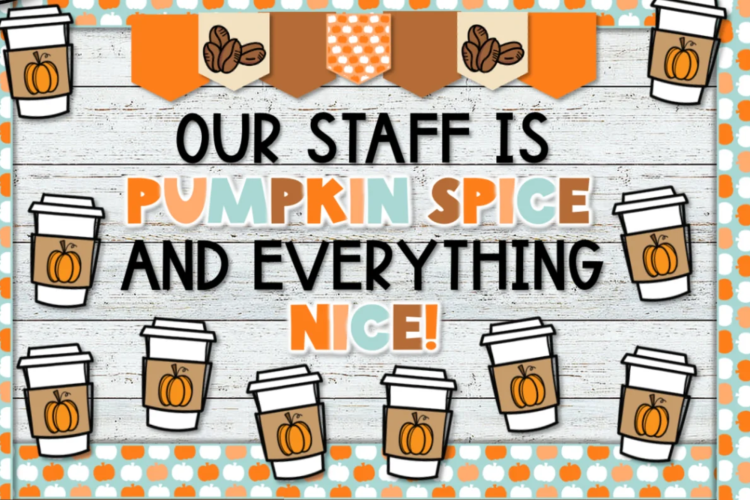
Gratitude, in its purest form, is not a solitary act but a communal experience. In 2026, the concept of a “gratitude wall” has taken on a life of its own, evolving from a simple bulletin board into a dynamic, ever-evolving tapestry of thanks. These walls are no longer confined to classrooms or offices; they are digital canvases, physical installations, and even augmented reality experiences, where people from all walks of life contribute their moments of appreciation.
Imagine stepping into a café where the walls are lined with digital screens displaying a continuous stream of handwritten notes, photographs, and illustrations, each one a testament to someone’s gratitude. The screens flicker with new additions in real-time, creating a living mosaic of thanks that grows and shifts with each passing day. Some notes are poetic, others whimsical, but all share a common thread: the unabashed celebration of kindness. In this space, gratitude is not just received; it is witnessed, amplified, and shared, fostering a sense of connection that transcends individual interactions.
For those who prefer a tactile experience, there are physical gratitude walls made of reclaimed wood or recycled metal, where participants pin handwritten cards, pressed flowers, or even small tokens of appreciation. These installations often appear in public spaces—parks, libraries, or community centers—serving as a reminder that gratitude is a universal language. The act of adding to the wall becomes a ritual, a moment of pause in the hustle of daily life to acknowledge the good that surrounds us. In 2026, gratitude walls are more than decorations; they are catalysts for kindness, sparking conversations and forging bonds between strangers.
The Fusion of Tradition and Innovation
The beauty of gratitude in 2026 lies in its ability to honor the past while embracing the future. The floral thank-you card, with its roots in Victorian-era etiquette, has been reimagined with modern techniques like 3D printing and augmented reality. A card might now include a QR code that, when scanned, transports the recipient to a virtual garden where they can explore the meaning behind each flower. Similarly, animated gratitude GIFs draw from centuries-old artistic traditions, using the language of nature to convey emotions that words alone cannot capture.
This fusion is not just about aesthetics; it’s about accessibility. In a globalized world, gratitude must transcend borders, languages, and cultural nuances. A floral thank-you card might feature motifs inspired by Japanese *ikebana* or Mexican *papel picado*, while an animated GIF could incorporate universal symbols like the sunflower for loyalty or the lotus for purity. The result is a language of thanks that is both deeply personal and universally understood—a testament to the power of gratitude to unite us all.
Moreover, the integration of technology has democratized the act of giving thanks. No longer is gratitude the preserve of the elite; it is a tool for everyone. AI-powered gratitude generators can craft personalized messages based on the recipient’s interests, while blockchain technology ensures that handwritten notes and digital animations can be securely stored as digital heirlooms. In 2026, gratitude is not just an emotion; it’s a movement, a revolution of kindness that is as inclusive as it is innovative.
Cultivating a Culture of Gratitude
The true magic of gratitude in 2026 lies not in the tools we use to express it, but in the culture we build around it. Gratitude is no longer a fleeting moment of acknowledgment; it is a daily practice, a habit that shapes how we interact with the world. Schools are incorporating gratitude journals into their curricula, teaching children the value of appreciation from a young age. Workplaces are hosting “gratitude hours,” where teams take a moment to reflect on the contributions of their colleagues. Even social media platforms have introduced features that encourage users to send virtual bouquets or heartfelt messages to friends and family.
This cultural shift is not just about being polite; it’s about recognizing the interconnectedness of our lives. Every act of gratitude ripples outward, creating a wave of positivity that touches everyone in its path. A thank-you note sent to a mentor might inspire them to pay it forward to a student. An animated GIF shared with a colleague could brighten their day and motivate them to tackle a challenging project. A gratitude wall in a community center might spark a conversation between neighbors who otherwise would never have spoken. In 2026, gratitude is not just a virtue; it’s a superpower—a force for good that has the potential to transform individuals, communities, and even the world.
As we look ahead to the future, one thing is clear: gratitude is not a trend, but a timeless tradition that continues to evolve. The floral pop of gratitude in 2026 is a celebration of this evolution—a reminder that the simplest acts of appreciation can be the most profound. Whether through the delicate petals of a handcrafted card, the dynamic dance of an animated GIF, or the collective joy of a gratitude wall, we are redefining what it means to say “thank you.” So let us embrace this era of floral gratitude with open hearts and open minds, for in doing so, we nurture not just relationships, but the very soul of humanity.


Leave a Comment