

Have you ever stood in front of a blank sheet of paper, brush in hand, and wondered: What if I could merge two ancient art forms into one explosive statement? If your answer is a hesitant shrug, prepare to have your creative world rocked. The internet is currently ablaze with a hybrid technique that’s turning heads, sparking debates, and redefining what it means to make art in the digital age. We’re talking about the electrifying fusion of cyanotype and linocut—a marriage of chemistry and carving that’s not just breaking the mold, it’s melting it down and recasting it entirely.
Imagine this: the deep indigo hues of a cyanotype print, where shadows whisper secrets and light carves stories into paper. Now, layer onto that the bold, tactile presence of linocut—where every gouge of the blade leaves a mark as deliberate as a poet’s pen stroke. Together, they’re not just coexisting; they’re conspiring. They’re creating art that hums with texture, vibrates with contrast, and demands to be touched. And the best part? You don’t need a studio the size of a cathedral or a budget that could fund a small nation. All you need is curiosity, a little courage, and the willingness to get your hands inky.
So, what’s the secret behind this trend that’s lighting up Instagram like a supernova? And more importantly—could you be the next artist to push this mashup even further? Let’s dive in.
The Alchemy of Cyanotype: When Chemistry Meets Canvas
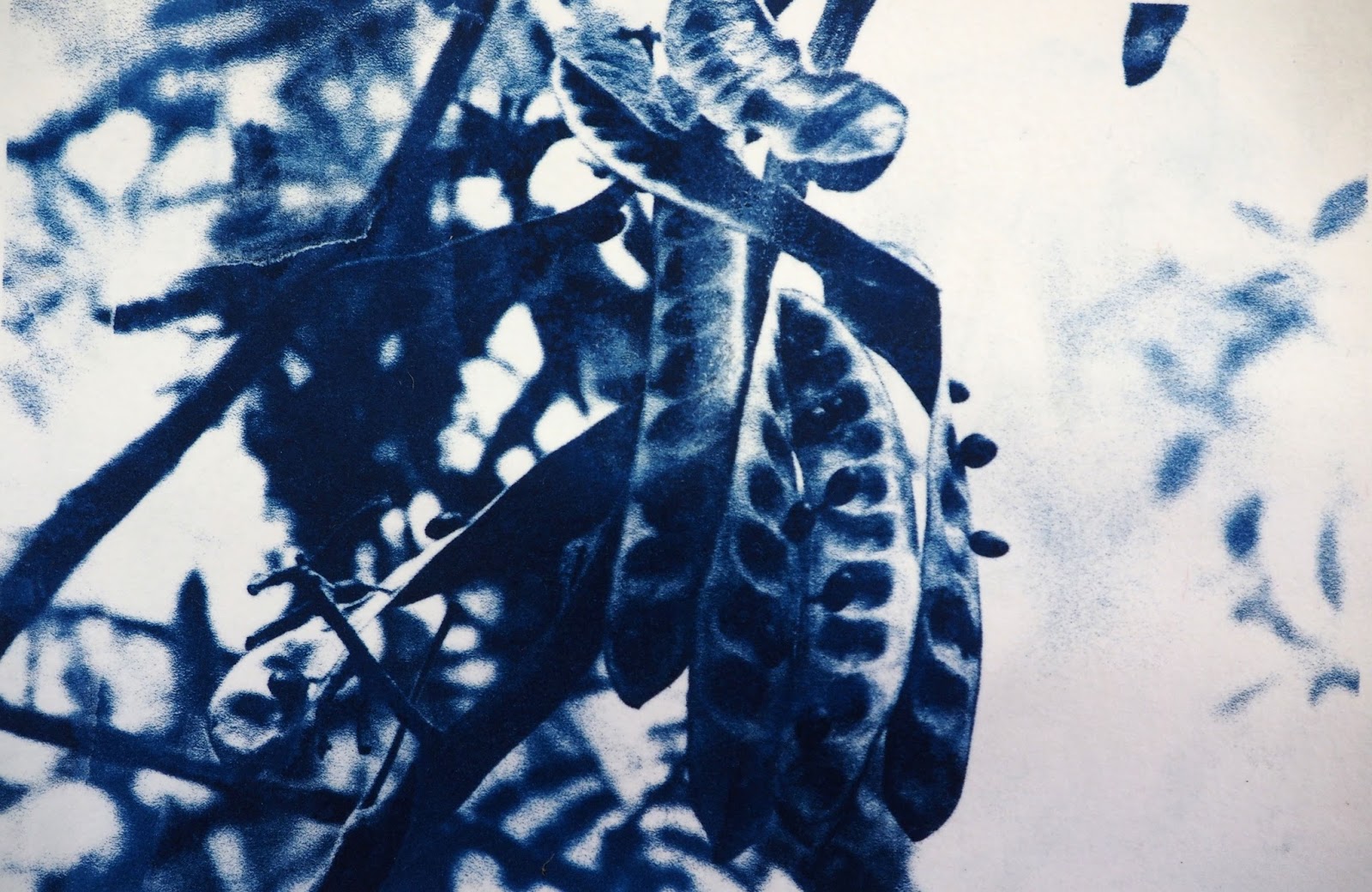
Cyanotype isn’t just old—it’s ancient. Invented in the 1840s by the brilliant (and slightly mad) scientist Sir John Herschel, this photographic process was originally used to copy notes and diagrams. Fast forward to today, and it’s been reborn as the darling of experimental artists worldwide. At its core, cyanotype is a contact print process. You coat paper with a light-sensitive emulsion, place objects or negatives on top, expose it to sunlight, and—voilà—you get a print where the exposed areas turn a deep, dreamy blue, while the covered parts remain ghostly white.
But here’s where things get interesting. Cyanotype isn’t just about blue. It’s about potential. The emulsion can be tweaked with additives like gum arabic or even coffee to shift the tone from azure to sepia. You can layer transparencies, overlay stencils, or even embed actual botanicals into the emulsion for a three-dimensional effect. It’s a medium that rewards experimentation and punishes predictability. And when you combine it with linocut? The results are nothing short of alchemical.
Consider the contrast: cyanotype thrives on subtlety—the soft gradients, the delicate interplay of light and shadow. Linocut, on the other hand, is bold, unapologetic, and unmistakably graphic. It’s the difference between a whispered secret and a shouted manifesto. When these two forces collide, the result is a visual symphony where every note is deliberate, every silence pregnant with meaning.

Linocut: The Unsung Hero of Tactile Rebellion
Linocut is often overshadowed by its woodcut cousin, but make no mistake—this is where raw, unfiltered expression lives. Carving into linoleum (yes, the same stuff covering your kitchen floor) is an act of controlled aggression. The knife digs in, the material yields, and what emerges is a stamp of pure, unfiltered intent. Unlike wood, linoleum is soft enough to carve with a butter knife if you’re desperate, yet durable enough to produce hundreds of crisp impressions. It’s democratic. It’s immediate. It’s the punk rock of printmaking.
But here’s the twist: when you integrate linocut with cyanotype, you’re not just printing an image—you’re creating a dialogue between two distinct languages. The linocut block can be used to stamp ink onto the cyanotype print, adding layers of color, texture, and narrative. Or, you can carve into the cyanotype print itself after exposure, etching away at the indigo to reveal the white beneath. The result? A print that feels alive, as if it’s still breathing, still evolving.
Artists experimenting with this mashup are pushing boundaries in ways that feel almost rebellious. Some are using linocut to create stencils for cyanotype, layering the two processes like a visual palimpsest. Others are printing linocut blocks onto cyanotype-coated fabric, turning wearables into walking canvases of cyan and carving. The possibilities are as limitless as your willingness to get messy.
The Instagram Effect: Why This Fusion is Going Viral
Social media has a way of turning niche techniques into global phenomena overnight. But the cyanotype-linocut mashup isn’t just a fleeting trend—it’s a perfect storm of factors that make it irresistibly shareable. First, there’s the aesthetic. The contrast between the deep blues of cyanotype and the stark blacks of linocut is visually arresting. It’s the kind of image that stops scrollers in their tracks, demanding a double-tap and a closer look. In a world saturated with filtered perfection, this mashup feels raw, authentic, and unapologetically handmade.
Then there’s the process. Watching a cyanotype print develop under the sun is like witnessing magic—slow, mysterious, and slightly unpredictable. Add linocut into the mix, and you’ve got a behind-the-scenes spectacle that’s equal parts satisfying and mesmerizing. Artists are sharing timelapse videos of their carving, their inking, their exposure, and their final reveal. It’s not just art; it’s performance. And in the age of TikTok and Reels, performance is currency.
But perhaps the most compelling reason this fusion is blowing up is its accessibility. You don’t need a degree in fine arts or a bank account thicker than a phone book to try this at home. Cyanotype kits are affordable and widely available. Linoleum blocks and carving tools can be found at any art supply store. And the internet is brimming with tutorials, from beginner-friendly guides to advanced techniques that push the boundaries of what’s possible. This isn’t art for the elite—it’s art for the curious, the bold, and the slightly reckless.
Could You Be the Next Pioneer? A Challenge for the Brave
Here’s where things get thrilling—and slightly terrifying. The cyanotype-linocut mashup is still in its infancy. Sure, artists are experimenting, but the full potential of this fusion hasn’t even been glimpsed yet. That means there’s room for you to make your mark. To carve out a niche that’s unmistakably yours. So, how do you get started? And more importantly—how do you push beyond the basics?
First, embrace the chaos. This isn’t a medium for perfectionists. Cyanotype is unpredictable. Linocut is messy. Together, they’re a recipe for controlled serendipity. Don’t be afraid to let the process surprise you. Try over-exposing your cyanotype prints to create deeper shadows. Experiment with different linocut inks—oil-based, water-based, metallic. Play with layering. What happens if you carve into a cyanotype print after it’s dried? What if you use the linocut block to stamp onto wet cyanotype emulsion? The answers might surprise you.
Second, steal like an artist—but make it your own. Study the work of those already experimenting with this mashup. Take notes. Borrow techniques. But don’t stop there. The magic happens when you take those borrowed ideas and twist them into something entirely new. Maybe you incorporate collage elements. Maybe you experiment with mixed media, adding gold leaf or embroidery to your prints. Maybe you turn your linocut blocks into sculptural objects, printing them onto unconventional surfaces like clay or fabric. The only limit is your imagination.
And finally, share your journey. The internet thrives on authenticity. Document your process, your failures, your breakthroughs. Post the in-between shots—the botched prints, the wonky carvings, the moments of frustration. People connect with vulnerability. They’ll root for you. They’ll share your work. They’ll inspire you to keep going. And who knows? Your next experiment might just be the one that sparks the next big trend.
As the sun sets on another day of creative exploration, one thing is clear: the cyanotype-linocut mashup is more than a trend. It’s a movement. A rebellion against the sterile perfection of digital art. A celebration of the tactile, the unpredictable, and the handmade. It’s a reminder that art isn’t just something you hang on a wall—it’s something you live, breathe, and create with your own two hands.
So, what are you waiting for? Grab a block of linoleum. Mix up some cyanotype emulsion. Step into the light. The canvas is waiting. The world is watching. And the next chapter of this artistic revolution? It’s yours to write.


Leave a Comment