

Have you ever stood before a blank copper plate, burin in hand, and wondered: What if I could make this print sing with layers of color, depth, and narrative? What if, instead of one plate whispering its story, you could orchestrate a chorus of plates—each playing its own part, yet harmonizing into a single, breathtaking intaglio masterpiece? Welcome to the world of multi-plate intaglio, where the alchemy of pressure, ink, and patience transforms metal into magic. This isn’t just printmaking—it’s visual storytelling with a chisel and a dream.
Multi-plate intaglio is the art of using two or more etched or engraved plates to build a single print. Each plate can carry a different tone, texture, or hue, allowing you to layer complexity like a painter glazing oil. But beware—this isn’t a casual stroll through the print studio. It’s a choreographed dance of registration, inking finesse, and creative audacity. One misaligned plate, and your symphony becomes a cacophony. So, are you ready to embrace the challenge? Let’s dive into the craft, step by step, and turn your copper dreams into a print that commands attention.
The Canvas: Choosing Your Plates and Tools
Not all plates are created equal. The foundation of a stellar multi-plate intaglio begins with selecting the right substrates. Copper is the gold standard—soft enough to yield under a burin, yet durable enough to survive repeated pressings. Zinc offers a budget-friendly alternative, though it demands gentler handling. For the bold, steel plates provide unparalleled longevity, though their hardness can test even the most patient artist.
Your tools are your allies. A sharp burin carves crisp lines, while a roulette or mezzotint rocker creates velvety tones. Don’t overlook the scraper and burnisher—the unsung heroes that refine edges and smooth transitions. And let’s not forget the etching needle: your conduit for drawing into ground, beckoning acid to bite and create the intaglio’s signature grooves.
Pro tip: Keep your plates uniform in size and thickness. A stack of mismatched plates is a recipe for misalignment and frustration. Label each plate clearly—“Plate 1: Sky,” “Plate 2: Water,” “Plate 3: Texture”—so your creative vision doesn’t get lost in the chaos.
Designing with Layers: The Art of Visual Choreography
Before you touch a plate, sketch your vision. Multi-plate intaglio thrives on intentionality. Will your print tell a story across plates? Perhaps Plate 1 sets the mood with a delicate aquatint haze, while Plate 2 bursts with bold linework, and Plate 3 adds a tactile veil of drypoint scratches. The key is contrast—juxtapose smooth tones with rough bites, deep shadows with luminous highlights.
Consider the sequence of printing. Lightest plates first, heaviest last. A faint aquatint base printed early will peek through later layers, adding depth without overpowering. Conversely, a heavily inked plate printed last can anchor the composition, its rich blacks grounding the entire piece.
Think of each plate as a character in a play. Do they speak in unison? Do they clash? Do they whisper secrets to one another? Your design should answer these questions before the first bite of acid.
Etching and Engraving: Carving the Soul of the Print
Now, the moment of truth: transforming metal into art. Whether you’re etching with acid or engraving by hand, precision is paramount. For etching, prepare your plate with a hard ground or soft ground, depending on your desired mark. Draw through the ground, expose the metal, and let the mordant do its work. For engraving, steady hands and sharp tools are your best friends. Each stroke should be deliberate, each line a whisper of intent.
Remember: intaglio is about what’s beneath the surface. The deeper the bite, the darker the ink will hold. Use this to your advantage. A shallow line might fade into the background, while a deep groove will command attention. Test bites are your safety net—don’t skip them. They’re the difference between a print that sings and one that shouts.
After etching, clean the plate meticulously. Any residual ground or grease will repel ink, leaving ghostly voids in your print. A final polish with fine steel wool ensures a pristine surface, ready to receive ink.
Inking: The Alchemy of Tone and Texture
Inking a multi-plate intaglio is less about slathering ink and more about conducting an orchestra. Each plate demands its own inking strategy. For aquatint plates, use a soft, brayer-loaded ink, rolling it gently to avoid filling the tiny pits. For linework, a stiff, stiff ink applied with a dabber will keep edges crisp. And for drypoint, a viscous ink, worked into the burred edges, will create that signature velvety line.

Color adds another dimension. Oil-based inks allow for mixing, blending, and layering. Start with transparent hues for subtle glazing, then introduce opaque tones for bold statements. Keep a palette knife handy—ink mixing is as much about instinct as it is about precision.
Wipe each plate with purpose. Use tarlatan for broad areas, leaving a whisper of ink in the grooves. Use the heel of your hand for delicate passages, coaxing out just the right amount of tone. And always, always, wipe in one direction—never in circles. Consistency is the guardian of clarity.
Registration: The Silent Guardian of Precision
Here’s where many artists stumble: registration. Misaligned plates can turn a masterpiece into a muddle. To avoid this, invest in a quality registration system. Pin or tab registration is a classic choice—simple, reliable, and effective. For larger editions, consider a vacuum table or digital registration guides.
Before printing, test your setup. Run a blank sheet through the press with all plates in place. Check the margins, the alignment, the pressure. Adjust as needed. Once you’re confident, load your paper—soaked and blotted to perfection—and send it through the press.
Pro tip: Use a registration jig or mark your press bed with indelible ink. Consistency is your ally, and every print should feel like a deliberate step in a larger journey.
Pressing: Where Magic Meets Metal
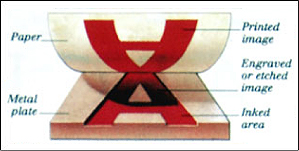
The press is your conduit between vision and reality. Too much pressure, and your delicate lines will blur. Too little, and the ink won’t transfer. Finding the sweet spot requires patience and experimentation.
Start with moderate pressure, then adjust based on your plate’s depth and paper’s absorbency. Wet paper works best for intaglio—it stretches to fill every groove, capturing the ink with fidelity. After pressing, peel back the paper slowly. The reveal is always a moment of awe: a print born from pressure, ink, and patience.
Allow each print to dry flat, away from direct sunlight. Hanging prints too soon can cause cockling or ink smudging. Patience here ensures your masterpiece remains pristine.
Troubleshooting: When the Print Doesn’t Cooperate
Even the most seasoned artists face hiccups. Blurred lines? Recheck your wiping technique or plate depth. Uneven ink coverage? Adjust your brayer pressure or ink consistency. Misalignment? Recalibrate your registration system.
Don’t be afraid to embrace imperfection. Sometimes, a “mistake” becomes the soul of the print—a happy accident that elevates the work beyond the original vision. Keep a sketchbook of failed prints. They’re not failures; they’re lessons in disguise.
Finishing Touches: Signing, Editioning, and Beyond
Your print is complete, but the journey isn’t over. Sign it with pride—title, number, and date—using a fine pencil or ink. Edition it carefully: 1/10, 5/10, or AP (artist’s proof) for the unnumbered gems.
Consider varnishing or sealing your prints if they’ll be displayed in humid environments. And always, always, store them flat, in acid-free sleeves, away from direct light. A well-preserved print is a legacy in the making.
But why stop at prints? Multi-plate intaglio can inspire mixed media—collage, painting, even sculpture. Let your prints be the spark that ignites new creative fires.
As you stand back and admire your multi-plate intaglio, remember this: you didn’t just make a print. You composed a symphony. You choreographed a dance. You turned metal into meaning. And with every layer, every wipe, every press, you proved that art isn’t just seen—it’s felt.
Now, go forth. Your plates are waiting. The press is humming. The ink is calling. What story will you etch next?


Leave a Comment