

Have you ever stood before a masterpiece, where the shadows seem to breathe, where the absence of light isn’t just a void but a living, pulsing entity? The darkest darks in oil painting aren’t merely the absence of illumination—they are the silent conductors of emotion, the architects of depth, and the unsung heroes that make light truly luminous. But here’s the playful challenge: how do you coax shadows to sing rather than merely fade into the background? The answer lies not in the paint itself, but in the alchemy of technique, intention, and a dash of audacity.
Imagine, for a moment, the way a candle flickers in a cavernous room. The darkness isn’t uniform; it writhes, it clings to the edges of objects, it carves out shapes where none exist in the physical world. This is the power of the darkest darks—they don’t just recede; they engage. They pull the viewer into the painting, demanding attention not through brilliance, but through the sheer force of their presence. But mastering this force isn’t about slathering on the blackest black and calling it a day. It’s about understanding that shadows are not the enemy of light; they are its most compelling partner.
The Psychology of Darkness: Why Shadows Command Attention
Darkness isn’t just the absence of light—it’s a language. In art, it’s the whisper that lingers after the loudest colors have faded. The human eye is drawn to contrast, and the darkest darks create a gravitational pull that the brain can’t ignore. Think of Rembrandt’s chiaroscuro, where the deepest shadows cradle the subjects like a protective shroud, making the illuminated areas feel almost sacred. Or Caravaggio’s dramatic tenebrism, where figures emerge from the abyss as if summoned by an unseen force.
But here’s the twist: the darkest darks aren’t just about creating depth. They’re about emotional resonance. A well-placed shadow can evoke mystery, tension, or even melancholy. It can make a simple still life feel like a narrative. The challenge? Avoiding the trap of overusing darkness to the point where it swallows the composition whole. The key is balance—letting the shadows breathe while ensuring they serve the story you’re trying to tell.

Choosing Your Arsenal: Pigments That Whisper and Roar
Not all blacks are created equal, and the darkest darks in oil painting begin with the right materials. Traditional ivory black, once derived from charred ivory, is a classic choice—rich, velvety, and capable of deep absorption. But modern alternatives like marsh black or lamp black offer different textures and undertones. Ivory black leans slightly blue, while lamp black has a warmer, almost smoky quality. Then there’s vine black, a more organic option with a subtle brownish tint, perfect for creating shadows that feel earthy and grounded.
The real magic happens when you start mixing. A touch of ultramarine blue can deepen a shadow, lending it a cool, almost aquatic depth. A whisper of burnt umber can warm it up, making it feel like it’s absorbing light rather than reflecting it. The challenge? Overmixing. The darkest darks should retain a sense of mystery—too much blending, and they lose their potency. Think of them as ink in water: the moment they dissolve completely, they lose their power to captivate.
The Dance of Edges: Where Shadows Meet Light
Edges are the unsung choreographers of a painting. A hard edge between light and shadow can feel like a knife’s cut, sharp and decisive. A soft edge, where the two blur into each other, can feel like a sigh, a gradual surrender. The darkest darks thrive in the spaces where edges are most deliberate. A poorly defined edge can make a shadow feel muddy or indecisive, while a well-placed one can make it feel like it’s breathing.
Consider the way light falls on a face. The shadows under the cheekbones, the hollows of the eyes—they’re not just areas to be filled in. They’re opportunities to define form, to guide the viewer’s gaze. The challenge? Resisting the urge to over-blend. Sometimes, the most evocative shadows are the ones that feel almost sculptural, where the transition from light to dark is a deliberate choice rather than a gradual fade.

Layering Secrets: Building Darkness from the Ground Up
Oil paint is a patient medium. It rewards those who take their time, who build up layers with intention. The darkest darks are no exception. Start with a thin wash of a dark color—perhaps a mix of ultramarine and burnt umber—to establish the foundation. Let it dry, then glaze another layer, this time slightly lighter or warmer, depending on the mood you’re aiming for. Each layer should feel like a deliberate step, not a hasty cover-up.
The challenge? Avoiding the temptation to rush. It’s easy to slap on a thick layer of black and call it a day, but the result is often flat and lifeless. Instead, think of your shadows as a symphony. The first layer is the bassline—a deep, resonant foundation. The subsequent layers are the harmonies, adding depth and complexity. The final touches? The crescendo, where you refine the edges and adjust the values to make the shadows sing.
Playing with Temperature: Warmth in the Darkest Darks
Shadows aren’t just cold and lifeless. They can be warm, inviting, even seductive. A shadow cast by a warm light source—like a candle or a sunset—will have golden undertones, while shadows in cooler light might lean toward blue or green. The darkest darks can be a playground for temperature shifts. A shadow with a hint of warmth can feel intimate, like a secret shared in a dimly lit room. A cooler shadow can feel clinical, distant, or even eerie.
The challenge? Keeping the temperature shifts subtle. Too much contrast in warmth can make a painting feel disjointed. The key is to use temperature to guide the viewer’s eye. A warm shadow in one area can draw attention, while a cooler shadow in another can create balance. Think of it like a dance—each step should feel intentional, each shift in temperature a deliberate choice.
The Final Test: When to Let Shadows Speak and When to Silence Them
Even the darkest darks need moments of respite. A painting where every inch is consumed by shadow can feel oppressive, like a room with no windows. The challenge isn’t just in creating shadows that sing—it’s in knowing when to let them rest. Sometimes, the most powerful moments in a painting come from the contrast between light and dark, where the light feels brighter because the shadows have been given space to exist.
Consider the way a single beam of light can transform a scene. It carves out shapes, defines forms, and makes the surrounding darkness feel even deeper by comparison. The darkest darks should never feel like a mistake—they should feel like a choice. A deliberate, thoughtful choice that enhances the story you’re telling.
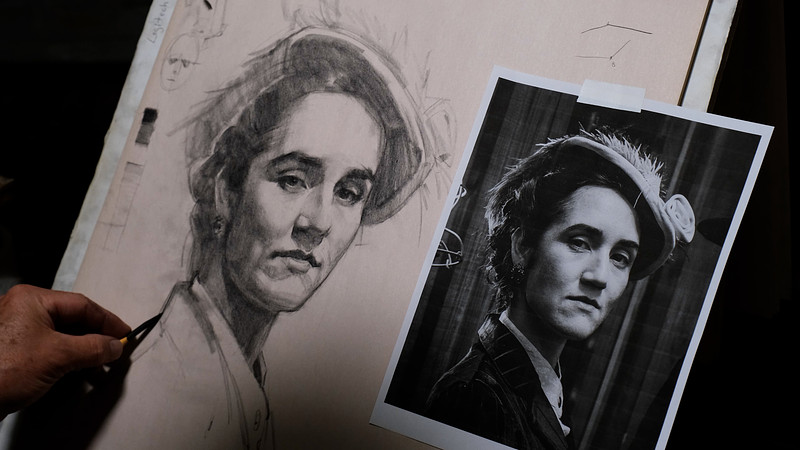
Mastering the darkest darks in oil painting is less about technical perfection and more about emotional resonance. It’s about understanding that shadows are not the absence of light, but its most compelling collaborator. They are the whispers in a loud room, the pauses in a symphony, the moments of quiet that make the loud ones unforgettable.
So the next time you stand before a blank canvas, ask yourself: are you ready to let your shadows sing? Not just exist, not just recede, but truly sing? The darkest darks are waiting. All you have to do is give them a voice.


Leave a Comment