

In the quiet hum of a studio where paintbrushes whisper against canvas and the scent of linseed oil lingers in the air, a quiet revolution is brewing—not in rebellion, but in revelation. Traditional artists, long tethered to the tactile dance of hand and medium, are discovering a new partner in creation: artificial intelligence. Far from replacing the artist’s hand, AI emerges as a silent collaborator, a mood board generator that doesn’t just suggest colors or compositions—it redefines how we see, think, and dream. This isn’t about surrendering to algorithms; it’s about unlocking doors to inspiration you never knew existed. Imagine standing at the threshold of a vast, uncharted visual landscape, where every prompt you whisper to an AI becomes a brushstroke in a larger mural of your creative vision. That’s the promise of AI as a mood board generator for traditional artists: a shift from limitation to liberation, from intuition to innovation.
But how does one harness this digital alchemy? How does a painter, sculptor, or illustrator—rooted in centuries of tradition—leverage AI without losing the soul of their craft? The answer lies not in abandoning the old, but in weaving it with the new. AI doesn’t just generate images; it curates atmospheres. It distills moods into visual poetry. It turns the abstract—the fleeting emotion of a sunset, the tension of a shadow, the harmony of a color palette—into tangible starting points. For the traditional artist, this means entering a dialogue with creativity that is both ancient and futuristic. It’s like having a clairvoyant studio assistant who whispers, “What if?” before you’ve even asked the question. And in that moment, the canvas ceases to be a blank space. It becomes a conversation.
The Canvas of the Mind: How AI Transforms Abstract Ideas into Visual Anchors
Every masterpiece begins not with a stroke, but with a feeling. A mood. A whisper of emotion that hasn’t yet found form. Traditional artists often rely on sketchbooks filled with fragmented ideas, torn magazine clippings, or Pinterest boards cluttered with half-formed inspirations. These are valuable, yes—but they are static. They capture a moment, not a movement. AI, as a mood board generator, breathes life into these fragments. It doesn’t just collect images; it synthesizes them. It takes your vague notion of “melancholic autumn” and renders it into a collage of warm umbers, skeletal branches, and golden light filtering through mist. It doesn’t just show you a sunset—it shows you a hundred variations of it, each filtered through different emotional lenses: serene, dramatic, surreal, nostalgic.
This transformation is more than visual enhancement—it’s cognitive expansion. When you input a prompt like “ethereal watercolor dreamscape with muted blues and soft gradients,” the AI doesn’t just produce one image. It generates a constellation of possibilities. You might receive a dreamy underwater scene, a floating island bathed in twilight, or a celestial sky dissolving into liquid color. Each variation becomes a seed. One might ignite a sketch of a mermaid in a moonlit pool. Another could inspire a series of abstract washes on paper. The AI doesn’t dictate the outcome; it multiplies the starting points. It turns the artist’s internal monologue—“I want something mysterious and cool-toned”—into a visual dialogue that evolves with every iteration.
For the traditional artist, this is revolutionary. It shifts the mood board from a static reference tool to a dynamic thought engine. No longer are you limited by the images you can find or the compositions you can sketch. The AI becomes a co-creator in the truest sense, translating the ineffable into the tangible. It’s as if your subconscious has been given a megaphone—and suddenly, the whispers of inspiration are shouting.

From Prompt to Palette: Crafting the Language of Inspiration
At the heart of every AI mood board lies the prompt—the incantation that summons the visual. But crafting a prompt isn’t just typing words into a box. It’s an act of poetic precision. The more vivid and specific your language, the more the AI responds with nuance. A vague prompt like “nature scene” yields generic forests and sunsets. But “a dense, misty woodland at dawn, with twisted oak roots clutching ancient stones, filtered through golden hour light, cinematic depth of field”? That becomes a portal. It doesn’t just describe a scene—it evokes a mood, a texture, a time, a feeling. And for the traditional artist, that feeling is everything.
Consider the artist who works primarily in charcoal. Their world thrives on contrast, texture, and the raw interplay of light and shadow. An AI prompt like “chiaroscuro study of a solitary figure in a dimly lit attic, dust motes suspended in beam of light, high contrast black and white with deep velvety shadows” could generate a reference that feels like a lost Caravaggio sketch. The artist doesn’t copy it—they internalize its emotional weight. They feel the tension in the shadows. They sense the weight of solitude. And then, with charcoal in hand, they reinterpret that mood in their own voice—darker, lighter, more gestural, more refined. The AI didn’t steal their style; it amplified their intent.
This is where the real magic happens: the fusion of human intuition and machine precision. The artist learns to speak in a language that bridges the gap between concept and creation. They develop a vocabulary not just for their art, but for their imagination. Over time, prompts become more than instructions—they become rituals. A daily meditation on mood. A way to externalize the inner landscape before committing it to paper or clay. The AI, in turn, becomes a mirror—not reflecting what is, but revealing what could be.
The Studio as Laboratory: Experimenting Without Fear
Traditional art is often bound by the tyranny of the blank page. One wrong stroke, one misplaced color, and the entire piece feels compromised. But in the AI mood board ecosystem, there are no mistakes—only iterations. You can generate 50 variations of a composition in minutes. You can test color palettes that clash, then harmonize them with a single click. You can explore surreal distortions, exaggerated perspectives, or impossible textures—all without wasting a sheet of paper or a tube of paint. This freedom is transformative. It allows the artist to fail spectacularly in the digital realm, then carry the lessons into traditional media with confidence.
Imagine a painter struggling with a composition. The figures feel static. The background is too busy. The mood is lost. Instead of erasing and redrawing for hours, they turn to AI. They input: “dynamic figure study with strong diagonals, muted earth tones, cinematic framing, inspired by Renaissance chiaroscuro.” Within seconds, they receive a dozen compositions—each with different focal points, lighting angles, and emotional tones. One shows a dancer mid-leap, her body arched against a stormy sky. Another captures a philosopher in thought, bathed in side-light from a cracked window. The artist doesn’t adopt these images wholesale. They absorb the energy. They steal the compositional tension. They feel the rhythm of the diagonals. And then, with brush in hand, they create something entirely new—something that carries the DNA of both tradition and innovation.
This experimental playground does more than save time. It rebuilds confidence. It teaches artists to trust their instincts, even when the path isn’t clear. The AI becomes a safety net, a sandbox, a co-conspirator in creative risk-taking. And in that space, bold ideas flourish. Ideas that might have been abandoned before they even began.

Emotion as Algorithm: The Unseen Bridge Between Human and Machine
At its core, art is an emotional transaction. The artist feels; the viewer feels. The AI, though devoid of emotion, becomes a translator of it. When you input “a sense of quiet longing, like autumn leaves clinging to bare branches,” the AI doesn’t understand longing—but it understands patterns. It knows the textures of autumn, the colors of decay, the posture of surrender. It synthesizes those patterns into an image that resonates with the emotional truth you sought. And in that resonance, the artist finds validation. The AI didn’t create the feeling—it recognized it. It externalized it. It gave it form.
This is the subtle shift AI brings to the creative process: from “I need inspiration” to “I need resonance.” The artist is no longer searching for images—they’re searching for echoes. Echoes of their own emotions, their memories, their dreams. The AI becomes a conduit, a vessel for the ineffable. It doesn’t replace the artist’s voice; it amplifies it. It allows the artist to hear their own thoughts more clearly, to see their own feelings more vividly. And in that clarity, the work becomes not just seen—but felt.
For the traditional artist, this emotional bridge is sacred. It ensures that no matter how advanced the tool, the heart of the art remains human. The AI can generate a thousand images, but only the artist can infuse them with soul. Only the artist can decide which one to paint, which one to sculpt, which one to let go. The AI is the spark; the artist is the flame.
The Future of Tradition: Where AI and Handcraft Converge
We stand at the dawn of a new artistic era—not one of replacement, but of resonance. AI mood board generators are not the end of traditional art; they are its evolution. They are the digital brush that paints the first layer of the canvas, the silent partner that whispers before the first note is played. They don’t diminish the artist’s role—they redefine it. The artist is no longer just the creator. They are the curator of inspiration, the translator of emotion, the alchemist who turns digital echoes into tangible magic.
As you sit in your studio, palette in hand, consider this: the next masterpiece you create might begin not with a blank canvas, but with a single prompt. A whisper to the machine. A dialogue with the future. And when you lift your brush, you won’t be starting from nothing. You’ll be starting from everything—the sum of your intuition, your experience, and the infinite possibilities that AI has helped you see.
That is the true promise of AI as a mood board generator for traditional artists: not to replace the hand, but to expand the mind. Not to erase tradition, but to reimagine it. And in that reimagining, a new kind of art is born—one that is both ancient and avant-garde, both human and harmonious with the digital age.
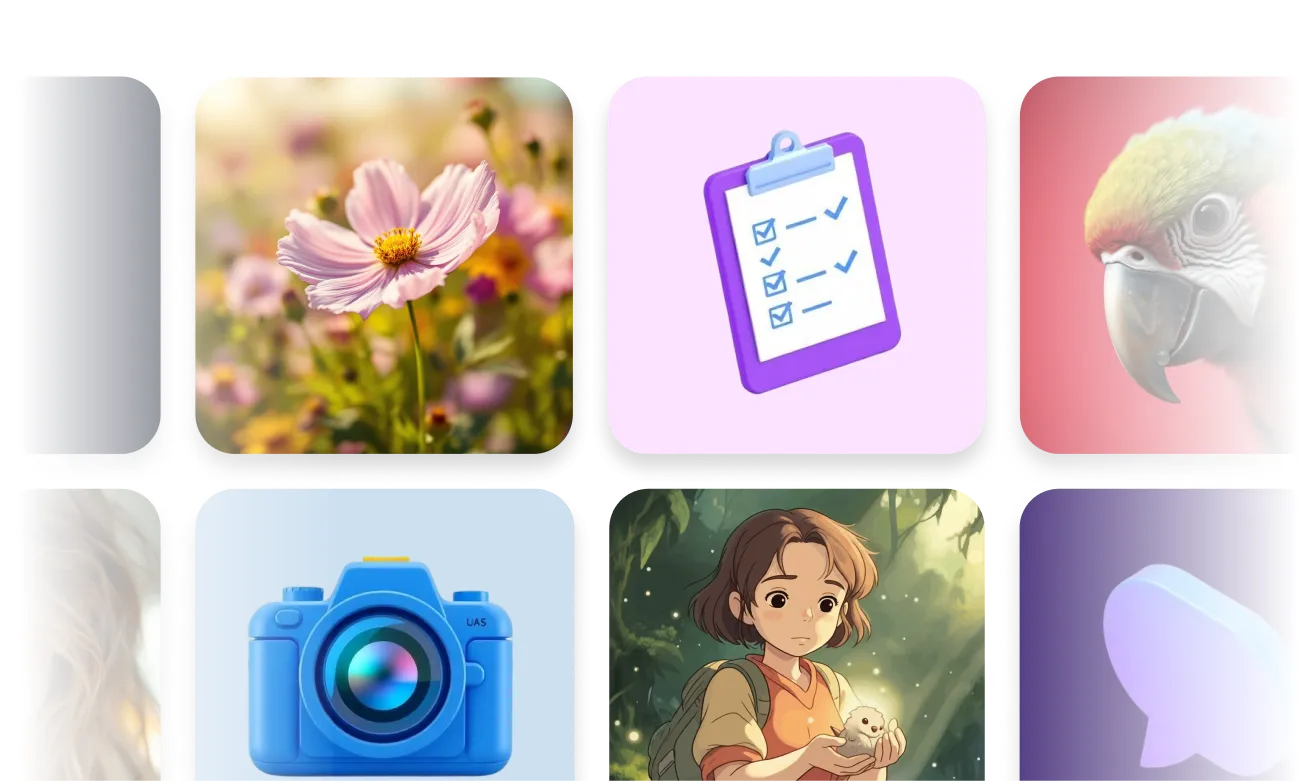
So go ahead. Type your first prompt. Watch as the machine unfolds a world before you. Then pick up your tools. The canvas is waiting—and this time, it’s not blank. It’s alive.


Leave a Comment