

In the realm of visual storytelling, where every pixel whispers a narrative and every shadow holds a secret, the Prompt Formula emerges as the architect of intrigue. It is not merely a checklist—it is a symphony of intention, a choreography of elements designed to captivate the beholder and compel them to pause, ponder, and perceive anew. At its core, the formula is elegantly simple yet profoundly transformative: Subject + Style + Lighting + Mood + Parameters. This alchemy of components doesn’t just describe an image; it crafts an experience, a moment suspended in time that promises to shift perspectives and ignite curiosity like a match struck in the dark.
Imagine standing at the edge of a vast, uncharted forest. The towering trees loom like silent sentinels, their gnarled roots twisting into the earth. The air hums with the scent of damp moss and pine, and the dappled sunlight filters through the canopy in golden shafts that seem almost alive. Now, consider how differently you might perceive this scene if it were rendered in the hyper-realistic strokes of a Renaissance master versus the neon-drenched chaos of a cyberpunk anime. The subject remains the same—the forest—but the style transforms it into a portal to another world entirely. This is the power of the Prompt Formula: it doesn’t just depict reality; it reimagines it, inviting the viewer to step into a new dimension of thought and emotion.
The Subject: The Anchor of Intrigue
The subject is the gravitational center of your visual narrative, the gravitational pull that draws the viewer into the orbit of your creation. It is not merely an object or a figure; it is the protagonist of a silent story, the catalyst for curiosity. To harness its full potential, the subject must be specific, evocative, and imbued with untold possibilities. A lone figure standing at the edge of a cliff, a vintage pocket watch frozen mid-tick, or a bioluminescent jellyfish pulsing in the abyssal depths—each of these subjects carries an inherent magnetism. They are not static; they are invitations to explore the “what,” the “why,” and the “what if.”
Consider the difference between a generic “apple” and a “bruised, overripe apple resting on a weathered wooden table, its skin split to reveal the honeyed flesh within.” The latter is not just an apple; it is a symbol of decay and sweetness, a metaphor waiting to be unpacked. The Prompt Formula demands that you dig deeper, stripping away the mundane to reveal the extraordinary lurking beneath the surface. The subject is your first promise to the viewer: this is not just an image; this is a story waiting to unfold.

The Style: The Signature of the Visionary
Style is the fingerprint of your creative identity, the unmistakable mark that separates the derivative from the daring. It is the lens through which your subject is refracted, the brushstroke that defines the era, the emotion, and the intention behind your work. Whether you lean into the gilded opulence of Art Nouveau, the gritty realism of film noir, or the whimsical surrealism of a Tim Burton sketch, your chosen style is a declaration of intent. It whispers to the viewer: “This is how I see the world, and I invite you to see it through my eyes.”
But style is more than aesthetic preference; it is a psychological trigger. A minimalist line drawing might evoke a sense of quiet introspection, while a maximalist collage could bombard the senses with chaotic energy. The key is to align your style with the mood you wish to evoke. For instance, a cyberpunk aesthetic—with its neon grids, holographic glitches, and dystopian undertones—is not just a visual choice; it is a commentary on technology’s dual nature, both liberating and enslaving. By selecting a style, you are not merely decorating your subject; you are framing a worldview.
Moreover, style can transcend time and medium. A photograph styled with the grainy texture of 1970s Polaroid film doesn’t just look vintage; it feels like a relic plucked from a forgotten archive. Similarly, a digital illustration rendered in the chiaroscuro technique of Caravaggio doesn’t just depict light and shadow—it channels the dramatic tension of a Baroque masterpiece. The Prompt Formula challenges you to think beyond trends and tap into the timeless language of visual symbolism.
The Lighting: The Sculptor of Emotion
Lighting is the invisible hand that molds form, depth, and drama. It is the difference between a flat, lifeless rendering and a three-dimensional masterpiece that seems to breathe. In the Prompt Formula, lighting is not an afterthought; it is the orchestrator of mood, the silent storyteller that guides the viewer’s gaze and stirs their emotions. The way light falls on a subject can turn a mundane scene into a cinematic tableau, evoking everything from awe to unease.
Consider the golden hour, that fleeting moment when the sun hangs low on the horizon, casting long shadows and bathing the world in a warm, honeyed glow. This light is inherently nostalgic, evoking memories of sunsets, childhood summers, and the passage of time. Contrast this with the harsh, unflattering glare of fluorescent lighting, which can strip away beauty and reveal raw, unvarnished truth. Or imagine the moonlit glow of a noir film, where light is a weapon, revealing just enough to tantalize while leaving the rest shrouded in mystery.
Lighting can also be symbolic. A single candle flickering in the darkness might represent hope, fragility, or the persistence of life in adversity. A strobe light pulsing in a nightclub could signify chaos, euphoria, or the disorienting pace of modern life. The Prompt Formula encourages you to think of lighting as a narrative device, one that shapes not just the visual experience but the emotional journey of the viewer. By manipulating light, you are not just illuminating a scene; you are casting a spell.

The Mood: The Emotional Resonance
Mood is the invisible thread that weaves through every element of your prompt, binding subject, style, and lighting into a cohesive emotional experience. It is the soul of your creation, the intangible quality that lingers in the viewer’s mind long after the image has faded from sight. Mood can be serene, melancholic, exhilarating, ominous, or surreal—but it must be intentional. A poorly chosen mood can leave your audience confused or indifferent, while a carefully crafted one can evoke a visceral response, compelling them to linger, to feel, and to reflect.
To define the mood, ask yourself: What emotion do I want to evoke? Is it the quiet reverence of a cathedral’s stained glass, the electric thrill of a thunderstorm, or the uncanny stillness of a frozen moment? Mood is not just about color palettes or composition; it is about energy. A palette of deep blues and purples might conjure a sense of mystery or melancholy, while vibrant oranges and yellows could radiate warmth and energy. Even the absence of color—a stark black-and-white image—can evoke a timeless, almost mythic quality.
Mood is also deeply personal. What resonates with one viewer might leave another cold, which is why the Prompt Formula emphasizes precision in description. Instead of vague terms like “happy” or “sad,” opt for nuanced descriptors: “a sense of quiet longing,” “the electric anticipation of a storm about to break,” or “the eerie calm of a deserted carnival at dusk.” The more specific your mood, the more vividly it will resonate with your audience. Mood is the bridge between your vision and their imagination.
The Parameters: The Rules of the Game
Parameters are the constraints that transform chaos into creativity. They are the guardrails that keep your vision focused, the rules of engagement that ensure every element aligns with your intent. Without parameters, a prompt can spiral into incoherence, a cacophony of competing ideas with no clear direction. But with the right parameters, even the most abstract concepts can be rendered with precision and power.
Parameters can take many forms: compositional rules (e.g., the rule of thirds, leading lines, symmetry), technical specifications (e.g., resolution, aspect ratio, depth of field), or conceptual boundaries (e.g., “no humans,” “only organic textures,” “a futuristic twist on a Victorian setting”). They are the skeleton upon which your creative flesh is built. For example, a prompt that specifies “a low-angle shot with a shallow depth of field” immediately conjures a sense of grandeur or vulnerability, depending on the subject. Meanwhile, a parameter like “high contrast with dramatic shadows” can evoke the tension of a noir thriller.
Parameters also serve a practical purpose. They guide the AI or artist you’re working with, ensuring that the final output aligns with your vision. But they also spark innovation. Constraints force you to think creatively, to find solutions within boundaries. A prompt that demands “a surreal landscape with floating islands and a waterfall flowing upward” might seem impossible at first glance, but with the right parameters—such as “soft, pastel lighting” and “a dreamlike, ethereal style”—it becomes a challenge worth pursuing.
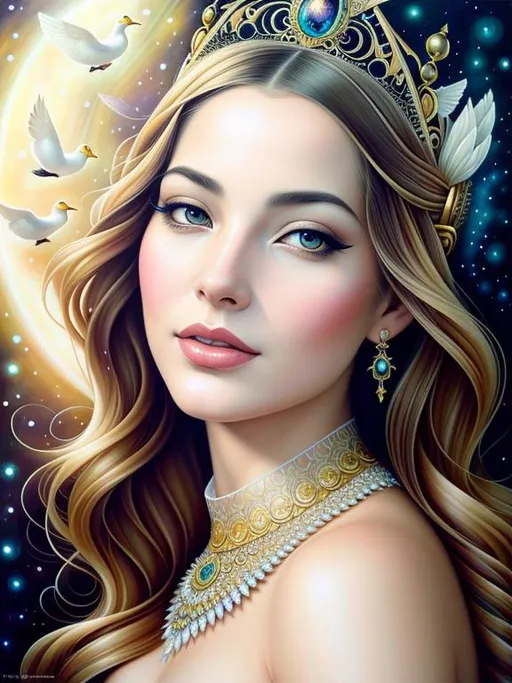
Together, the Prompt Formula’s components form a cohesive ecosystem, where each element amplifies the others. The subject sets the stage, the style defines the world, the lighting sculpts the atmosphere, the mood infuses it with emotion, and the parameters ensure it all comes together with precision. This formula is not just a tool; it is a philosophy of creation, a way to approach visual storytelling with intention, depth, and a promise to your audience: this image will change how you see.
As you embark on your next creative endeavor, remember that the Prompt Formula is not a rigid structure but a living, breathing guide. It invites experimentation, encourages risk-taking, and rewards curiosity. Whether you’re crafting a digital masterpiece, designing a product shot, or conjuring a surreal dreamscape, let this formula be your compass. Let it challenge you to see beyond the obvious, to dig deeper, and to create not just images, but experiences that linger in the soul.
The world is full of beauty, mystery, and untold stories—waiting for someone to frame them, to illuminate them, to give them voice. The Prompt Formula is your key. Now, go forth and create something extraordinary.


Leave a Comment