

The line between “producer” and “artist” has blurred into a smudge of creative alchemy, where one title no longer dictates the scope of genius. Once, the producer was the unseen hand behind the curtain—mixing, mastering, and molding raw talent into something polished. The artist, meanwhile, was the solitary visionary, wielding brush or pen with unquestioned authority. But today? The roles have fractured, merged, and reinvented themselves in ways that defy tradition. What does it even mean to be a producer now? What does it mean to be an artist? And why does the distinction feel increasingly irrelevant?
The Producer as Architect: Building Worlds, Not Just Sounds
The modern producer is no longer confined to the studio’s technical cocoon. They are world-builders, sculpting not just audio but entire sonic universes. Think of Dr. Dre’s *2001* or Kanye West’s *My Beautiful Dark Twisted Fantasy*—these are not mere albums; they are meticulously designed experiences where every drum hit, vocal layer, and synth pulse serves a grander narrative. The producer today is a curator of emotion, a sonic psychologist who understands that music isn’t just heard—it’s felt.
Consider the rise of “bedroom producers” who, armed with nothing but a laptop and a dream, craft beats that dominate global charts. They are the new auteurs, their bedrooms transformed into laboratories of innovation. The democratization of production tools has shattered the old hierarchy. Where once a producer needed a studio, now they need only curiosity and a willingness to experiment. The result? A seismic shift in what we consider “art.” No longer is the artist the sole purveyor of vision—the producer now wields equal creative power.

The Artist as Collaborator: The Death of the Solitary Genius
Artists, too, have evolved. The myth of the lone genius—locked in an attic, pouring out masterpieces—has crumbled under the weight of collaboration. Today’s artists are polymaths, often doubling as producers, directors, or even visual artists. Take Beyoncé, whose *Renaissance* isn’t just an album but a multimedia odyssey where every visual, lyric, and beat is meticulously curated. She is both the architect and the artisan, blurring the line until it vanishes entirely.
Even in the visual arts, the artist is no longer a solitary figure. Street artists collaborate with brands. Painters work with digital animators. The modern artist is a node in a vast creative network, where ideas are traded, refined, and reborn in real time. The rise of NFTs and digital art platforms has further eroded the old paradigms, allowing artists to become producers of their own narratives, their own brands. The artist is no longer just the creator—they are the CEO of their own creative empire.
The Hybrid: When Producer Meets Artist, and Vice Versa
The most fascinating evolution? The hybrid. Artists who produce. Producers who perform. The lines are so thoroughly crossed that the terms themselves feel archaic. Take Tyler, The Creator, who began as a rapper but now produces his own beats, directs his own music videos, and designs his own fashion lines. Or Grimes, who seamlessly shifts between composing, producing, and performing, all while maintaining a cohesive artistic identity.
This hybridity isn’t just a trend—it’s a revolution. It challenges the very notion of specialization. Why should an artist rely on a producer when they can craft their own sound? Why should a producer remain behind the scenes when they can step into the spotlight? The answer lies in the explosion of creative freedom. When the artist and producer merge, the result is something raw, unfiltered, and utterly unique. It’s the difference between a cover song and a reinvention.
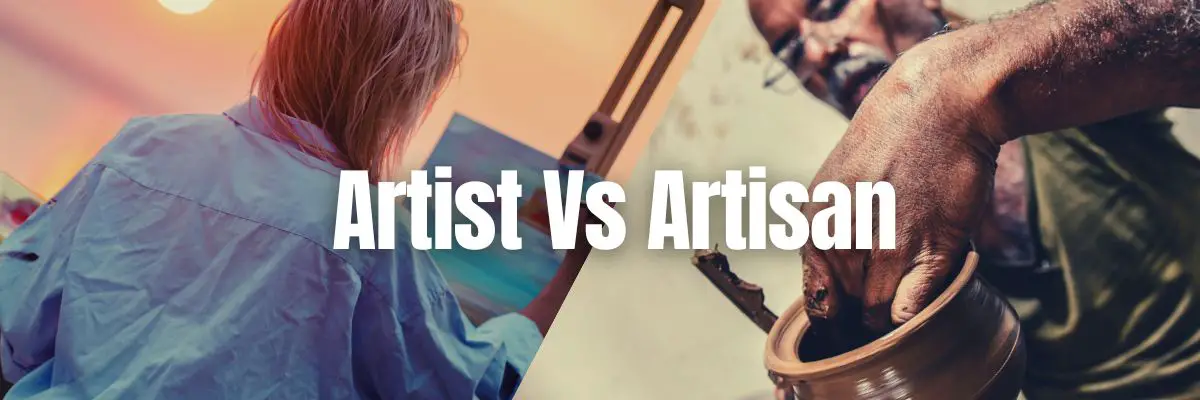
The Audience’s Role: Consumers as Co-Creators
But the blurring of producer and artist roles doesn’t end with the creators. The audience has become an active participant in the creative process. Social media platforms allow fans to remix, reinterpret, and even reimagine the work of their favorite artists. TikTok dances, meme culture, and fan edits have turned consumers into collaborators. The producer’s job now isn’t just to create—it’s to inspire participation.
Consider the phenomenon of “viral producers” like JVKE, whose song *Golden Hour* became a global hit not just because of its melody, but because of the countless TikTok videos, covers, and edits it inspired. The producer’s role has expanded to include fostering a community around their work. They are no longer just crafting songs—they are crafting experiences, memories, and shared cultural moments.
The Future: A Spectrum, Not a Binary
So where does this leave us? The producer and the artist are no longer two sides of a coin. They are points on a spectrum, fluid and ever-shifting. The future belongs to those who embrace multiplicity—the artist who produces, the producer who performs, the collaborator who blurs every boundary in between.
This isn’t just a shift in terminology. It’s a revolution in how we perceive creativity itself. Art is no longer a solitary act but a collaborative explosion. The producer is no longer a technician but a visionary. The artist is no longer a lone genius but a conductor of collective imagination.
And perhaps that’s the most thrilling part. In a world where anyone can be a producer, anyone can be an artist, the true magic lies in what happens when those roles collide. When the lines dissolve, what emerges isn’t just new art—it’s a new way of seeing the world.
The question isn’t “What’s the difference between a producer and an artist?” anymore. The question is: What happens when there’s no difference at all?


Leave a Comment