

In the liminal space between sweat and surrender, where the body bends like a willow in a storm, every contemporary dancer confronts a silent civil war. It is not a war of fists or feet, but of philosophy—an internal skirmish between two opposing spines: the Soft Spine, supple as silk and yielding as water, and the Technique Spine, rigid as steel and unyielding as stone. This is not a battle waged in studios or on stages alone; it is a lifelong negotiation between instinct and intellect, between the raw pulse of emotion and the disciplined architecture of form. To dance is to choose, repeatedly, which spine will bear the weight of your next breath.
The Soft Spine is the dancer’s intuition made flesh. It is the curve of the back when a melody swells, the ripple of muscle that follows a sudden impulse, the way a torso folds like a question mark when grief or joy demands it. It is not absence of control, but a different kind of mastery—one that trusts the body to speak before the mind translates. When a dancer with a Soft Spine moves, they do not perform technique; they become it. The spine bends not because it is told to, but because the music, the memory, the moment demands it. It is the spine of the improviser, the rebel, the poet who dances because the body refuses to stay still. Yet this freedom comes at a cost: the Soft Spine is vulnerable to collapse. Without the guardrails of structure, the dancer risks losing themselves in the very emotion they seek to express. The body may bend too far, the heart may break before the audience ever sees the tears.

Opposing this organic surrender is the Technique Spine—a fortress of alignment, a temple of precision where every vertebra is a column, every joint a keystone. This spine does not yield; it endures. It is the spine of the athlete, the engineer, the architect who believes that beauty is born from discipline. To dance with a Technique Spine is to sculpt the air with the same reverence a stonemason carves marble. The body becomes a living geometry, where plié is not just a bend but a mathematical equation, where arabesque is not just a shape but a proof of balance. The Technique Spine does not ask the dancer to feel; it asks them to execute. And in that execution lies its power: the body becomes a vessel for the choreography, not the other way around. Yet this precision can be a cage. The Technique Spine, though unbreakable, is also unfeeling. It can turn the dancer into a marionette, a perfect machine devoid of pulse. The risk? The dance becomes a demonstration, not a dialogue.
Where these two spines clash, the most electrifying artistry is born. The Soft Spine longs to dissolve into the music; the Technique Spine insists on shaping it. The Soft Spine craves authenticity; the Technique Spine demands mastery. The result is a tension that crackles like static before a storm. Consider the dancer who, mid-performance, suddenly forgets the choreography—not out of mistake, but out of surrender. The Technique Spine rebels; the Soft Spine whispers, “Let go.” Or the dancer who, after years of rigid training, finally allows their spine to soften in a moment of vulnerability, only to find that the audience leans in, breathless, as if hearing a secret. These are the alchemical moments where dance transcends mere movement and becomes something sacred.

The war between these spines is not just philosophical; it is physiological. The Soft Spine thrives on fascia and fluidity, on the slow unraveling of tension like thread from a spool. It is the spine of the yogi, the dancer who believes the body is a river. The Technique Spine, by contrast, is the domain of the osteopath, the kinesiologist, the scientist who maps the body’s levers and pulleys. One spine is a whisper; the other, a blueprint. Yet both are essential. Without the Soft Spine, dance is a robot’s waltz. Without the Technique Spine, it is a storm without direction. The greatest dancers are those who learn to toggle between the two, to let the Soft Spine lead when the heart demands it, and to summon the Technique Spine when the choreography demands precision.
This war is also generational. Older dancers, shaped by eras where technique was king, often cling to the Technique Spine like a life raft, fearing that softness is synonymous with weakness. Younger dancers, raised on the language of vulnerability and authenticity, often reject structure as oppressive, mistaking rigidity for discipline. The truth lies in the middle: the Soft Spine without technique is chaos; the Technique Spine without softness is sterility. The most transcendent dancers are those who have fought this war within themselves and emerged not with a victor, but with a truce. They move with the precision of a surgeon’s hand and the soul of a poet’s pen.
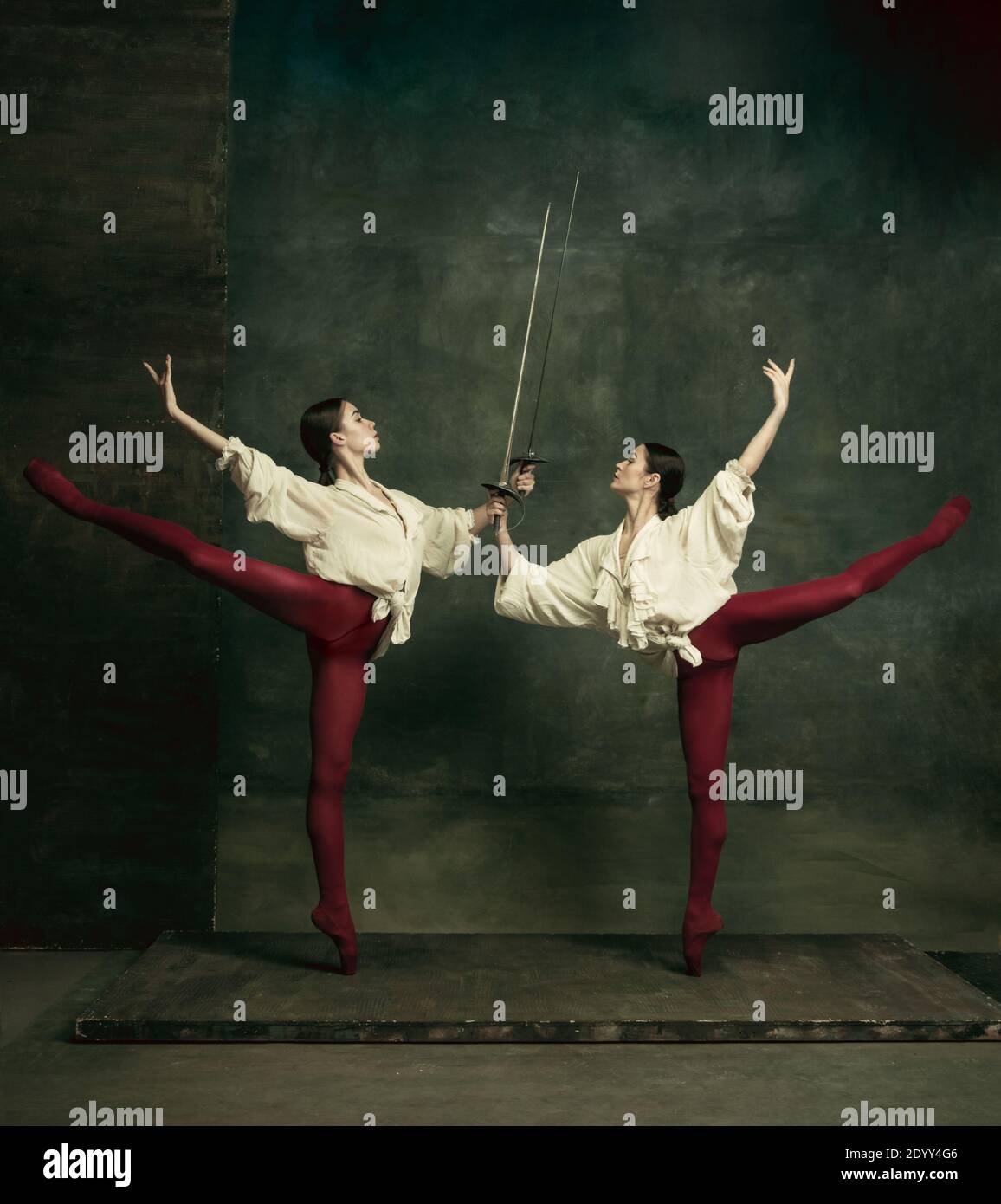
To watch a dancer navigate this internal conflict is to witness a kind of silent ballet—one played out in the shadows of the studio, in the half-second before a leap, in the pause between breaths. It is the moment when the dancer must decide: Will I force my body to obey, or will I obey my body? Will I prioritize the shape or the shiver? The Soft Spine and the Technique Spine are not enemies; they are two halves of a whole, two voices in a duet that never quite resolves. The Soft Spine says, “Feel.” The Technique Spine says, “Form.” And the dancer? The dancer must dance both.
The war never ends. It is the price of admission to the art. But in that war lies the magic—the crackle of electricity when a body bends without breaking, the hush of awe when a spine holds both fire and foundation. To dance is to wage this war, to lose and win by turns, and to emerge, always, with something new to say.


Leave a Comment