

Picture this: a dance move so fierce it could double as a martial arts strike. A squat so deep it feels like your soul is being stretched. That’s the Cossack squat kick—an explosive fusion of strength, mobility, and rhythm that left my thighs in a state of delicious devastation after a month of relentless practice. If you’ve ever watched a Ukrainian folk dancer or a martial artist unleash a spinning heel kick with effortless grace, you’ve glimpsed the raw power hidden within this movement. But here’s the twist: I didn’t learn it for performance. I learned it to survive my own stiffness, to reclaim my hips from the sedentary prison of modern life, and to discover what happens when you push your body into uncharted territory.
The journey began not with grand ambition, but with a quiet frustration. My hips felt like rusted hinges, my quads tighter than a drumhead, and every time I tried to sit cross-legged, my knees screamed in protest. I had tried stretching routines, foam rolling, even yoga—yet the discomfort persisted like an uninvited guest. Then, one evening, I stumbled upon a video of a Cossack squat kick, a dynamic hybrid that blends the lateral squat with a swift, controlled kick. It looked absurd. It looked impossible. And that’s exactly why I knew I had to try it.

The Cossack Squat Kick: A Movement Born from Fire and Folklore
To understand why this exercise feels like a revolution in your own body, you need to know where it comes from. The Cossack squat kick—often associated with the Hopak, Ukraine’s national dance—isn’t just a fitness trend. It’s a cultural artifact, a testament to resilience and rhythm. In traditional Ukrainian dance, the Hopak is a male solo performance characterized by leaps, squats, and rapid footwork. The Cossack squat kick is its grounded cousin: a controlled, explosive movement that demands strength, balance, and flexibility in equal measure.
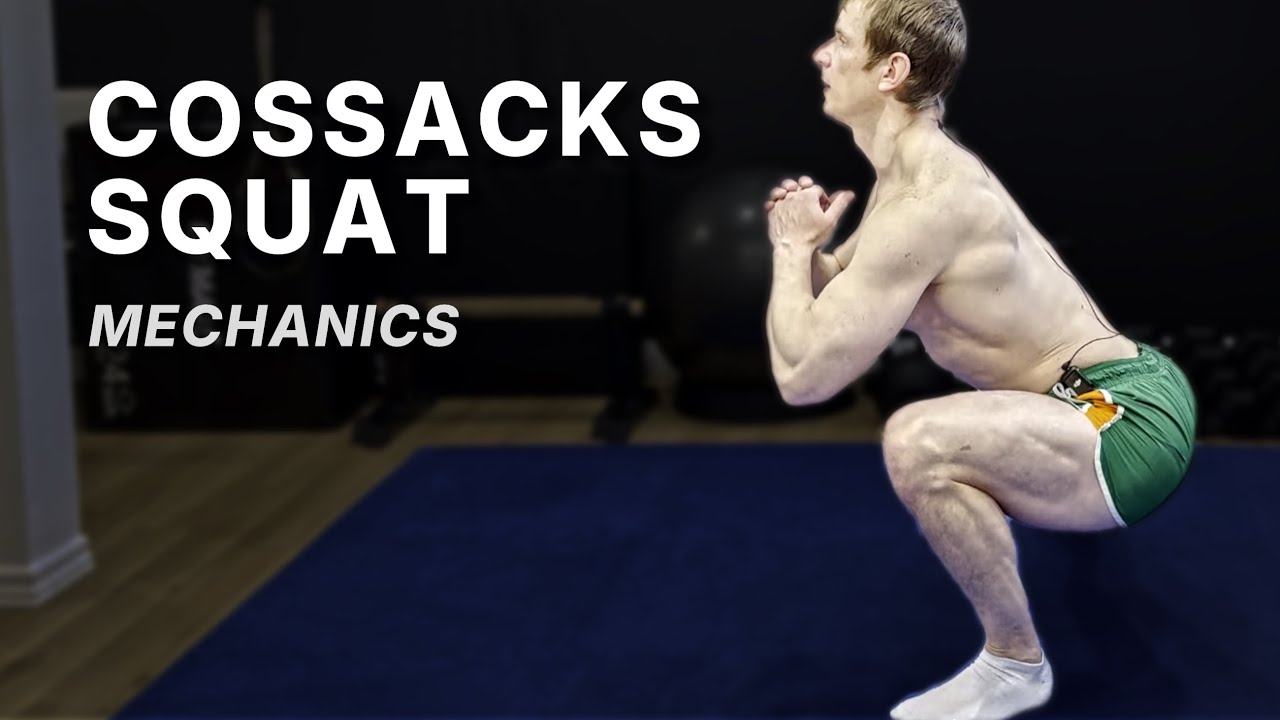
What makes it so uniquely challenging is its dual nature. The squat portion forces your adductors, glutes, and inner thighs into deep engagement while your outer hips and ankles work overtime to stabilize. Then, just as your muscles are singing their protest song, the kick arrives—a sudden extension that transforms static tension into dynamic power. It’s not just a leg exercise. It’s a full-body conversation between your nervous system and your musculature, one that forces you to listen in ways you never have before.
And here’s the kicker (pun intended): most people never get past the squat. They wobble, they cheat, they avoid the depth. But the real magic happens when you commit to the full range—when you let your hips sink low enough to feel the burn, then explode upward into the kick. That’s when your body starts to remember what it was designed to do: move with intention, power, and grace.
Week 1: The Illusion of Ease (and the Reality of Betrayal)
I started with cautious optimism. Day one: five reps per leg. Simple. Or so I thought. By rep three, my inner thighs were trembling like leaves in a storm. My hips, long dormant, staged a full-scale rebellion. I could feel the tightness in my adductors screaming, my quads trembling under the unfamiliar load. I told myself it was just DOMS waiting to happen. It wasn’t.
By day three, I noticed something unsettling: my knees were tracking inward during the squat, a classic sign of weak glutes and overactive adductors. My body was compensating because it could. It had spent years finding the path of least resistance. The Cossack squat kick exposed every flaw in my movement pattern, every asymmetry, every lazy habit. I felt like a fraud—someone who had spent years calling themselves “fit” without ever truly testing their foundation.
But here’s the beautiful irony: discomfort is the first step toward transformation. Each wobble, each shaky rep, was a data point. My body was telling me where I needed to focus—not just on strength, but on control. Not just on flexibility, but on stability. I began to see my practice not as a chore, but as a dialogue. And the Cossack squat kick? It was the translator.
Week 2: The Groove Forms (and So Does the Pain)
By the end of the second week, my body began to adapt—but not without resistance. My hips loosened. My quads stopped quivering quite so violently. I could sink deeper into the squat, though the kick still felt like a foreign appendage. I started experimenting with tempo: slow squats, fast kicks. Static holds. Pulses. Each variation revealed new layers of tension and release.
I also noticed something unexpected: my balance improved. The Cossack squat kick demands a single-leg foundation during the kick phase, forcing your stabilizer muscles to engage in ways they rarely do in bilateral exercises like squats or deadlifts. My ankles felt more grounded. My core woke up from its slumber. Even my posture seemed to shift—less slouching, more presence.
But the real breakthrough came when I stopped trying to force the kick. Instead of thinking of it as a separate movement, I began to treat it as an extension of the squat. The transition became fluid. The kick wasn’t a sudden explosion anymore—it was a natural crescendo. My body had started to trust the pattern. And trust, in movement, is everything.
Week 3: The Thighs Revolt (and I Welcome the Chaos)
This is where things got interesting. By week three, my thighs were no longer just sore—they were destroyed. Not in the “I worked out” way, but in the “my body is reorganizing itself from the ground up” way. Walking up stairs felt like climbing Everest. Sitting down required strategic planning. And the Cossack squat kick? It was now a full-body experience, with my core, glutes, and even my upper back joining the party.
I also noticed a shift in my mindset. Where I once saw the movement as a challenge, I now saw it as a ritual. A daily conversation with my body. A way to honor the strength I’d neglected. The pain wasn’t just physical—it was emotional. It was the sound of old patterns dissolving. Of stiffness giving way to suppleness. Of weakness transforming into resilience.
And then, something magical happened. I started to enjoy the discomfort. Not in a masochistic way, but in the way you enjoy a deep stretch after a long day—because you know it’s leading somewhere better. My hips felt looser. My knees tracked straighter. Even my lower back, which had been a chronic source of tension, began to relax. The Cossack squat kick wasn’t just changing my legs. It was rewiring my entire kinetic chain.
Week 4: The Transformation Becomes Visible (and I Can’t Look Away)
By the final week, I could perform the movement with relative ease. Not perfection—never perfection—but fluidity. Control. Power. My thighs, once a source of stiffness and complaint, now felt like pillars of strength. My hips moved with a newfound range. My balance was steadier than it had been in years.
But the most surprising change wasn’t physical. It was perceptual. I started to see my body differently. Not as a collection of parts to be fixed, but as a unified system capable of incredible expression. The Cossack squat kick had taught me that movement isn’t just about aesthetics or performance—it’s about reclaiming agency over your own body. About rediscovering what it means to be strong, not just in the gym, but in life.
And then, one evening, I did something I hadn’t done in years: I squatted all the way down to the floor, paused, and then kicked upward—not with effort, but with ease. I felt like I was flying. Not because I was high off the ground, but because I was finally moving the way my body was meant to move.
The Aftermath: A Body Reborn (and a New Challenge Awaits)
Now, a month later, my thighs still bear the marks of that journey. Not just in soreness, but in the way they feel—stronger, more responsive, more alive. I no longer dread sitting cross-legged. I no longer wince when I bend down to pick something up. And the Cossack squat kick? It’s become a staple in my routine, not because it’s easy, but because it’s transformative.
But here’s the thing: this isn’t just about Cossack squat kicks. It’s about the power of movement to reshape not just your body, but your perspective. It’s about the courage to try something that looks absurd, feels impossible, and ends up changing everything. It’s about listening to your body when it whispers, and heeding its warnings when it roars.
So if you’re reading this and feeling the weight of stiffness, the frustration of stagnation, or the quiet despair of a body that no longer feels like your own—try the Cossack squat kick. Not for a week. Not for a month. But long enough to let your body speak back. You might not end up with a viral dance video. But you will end up with something far more valuable: a body that moves with intention, strength, and grace.
The journey isn’t over. It’s only just beginning. And your thighs? They’re waiting.


Leave a Comment