

The flamenco white lace fan is not merely an accessory—it is a silent storyteller, a whisper of elegance folded into the very fabric of Spanish tradition. When it unfurls in the hands of a dancer, it becomes more than a prop; it transforms into a living metaphor, a choreographed dialogue between passion and restraint. This delicate instrument of lace and wood carries centuries of unspoken emotion, a secret code that only the initiated can decipher. To hold one is to touch a legacy where every flicker, every flutter, and every frozen pause in the air speaks volumes without uttering a single word.
Imagine stepping into a dimly lit tablao, where the scent of aged wood and jasmine lingers in the air. The stage is set, the guitarist’s fingers dance across the strings, and then—silence. A single dancer emerges, her white lace fan held aloft like a beacon of purity. As she begins to move, the fan becomes an extension of her soul, a bridge between the earth and the heavens. It is not just a tool; it is a key that unlocks emotions buried deep within the human experience. This is the power of the flamenco white lace fan: it promises to reveal a world where movement is poetry, and silence is the most eloquent language of all.

The Language of Lace: A Visual Symphony of Tradition and Elegance
The white lace fan is a masterclass in visual storytelling. Its intricate patterns are not random; they are a coded language, a visual symphony that communicates the dancer’s innermost feelings. The lacework itself is a testament to patience and precision, each stitch a deliberate choice that contributes to the fan’s overall narrative. Floral motifs, often inspired by the gardens of Andalusia, symbolize growth, beauty, and the fleeting nature of life—an allegory that resonates deeply within flamenco’s themes of love, loss, and longing.
But the lace is more than decorative; it is a veil that both conceals and reveals. In flamenco, the dancer’s face is often the focal point, but the fan allows her to play with mystery. A sudden flick of the wrist can obscure her expression, leaving the audience to interpret her emotions. This interplay between visibility and concealment is a dance of its own, a delicate balance that keeps spectators on the edge of their seats, hungry for more. The white lace fan, with its ethereal beauty, becomes a metaphor for the human condition—glimpses of truth obscured by layers of artifice, yet undeniably captivating.
The choice of white is no accident either. In Spanish culture, white symbolizes purity, innocence, and spiritual awakening. Yet in flamenco, purity is not static; it is dynamic, a force that can be shattered, remade, and reborn through movement. The white lace fan, therefore, is not just a symbol of elegance—it is a vessel for transformation. It invites the dancer to explore the duality of light and shadow, to embrace the contradictions that define the human experience.
The Choreography of the Fan: A Dance of Geometry and Grace
The flamenco white lace fan is not a passive prop; it is an active participant in the dance. Its movements are a choreography of geometry, where every angle, every curve, and every pause is calculated to evoke emotion. The dancer’s wrist becomes the pivot point, the fan’s spine the extension of her arm, and the lace the canvas upon which her story is painted in the air.
Consider the braceo, the sweeping motion where the fan is held aloft and then lowered in a grand arc. This gesture is not merely decorative; it is a declaration. It announces the dancer’s presence, her confidence, and her command over the space around her. The fan’s lace edges catch the light, creating a shimmering halo that draws the eye and commands attention. It is a moment of pure theater, where the dancer and her fan become one entity, a singular force of artistry.
Then there is the floreo, the intricate finger movements that manipulate the fan with almost magical precision. Each flick, each twist, each delicate unfolding of the lace is a brushstroke in a living painting. The fan becomes an extension of the dancer’s hand, a tool that allows her to paint emotions in the air. A slow, deliberate opening might signify anticipation, while a rapid, fluttering motion could convey joy or excitement. The fan’s movements are a language unto themselves, a silent conversation between the dancer and her audience.
The true mastery lies in the dancer’s ability to make the fan appear weightless, as if it is an extension of her own breath. This requires not only technical skill but also an intuitive understanding of the fan’s mechanics. The weight of the fan, the tension of the sticks, and the delicacy of the lace all play a role in how it moves. A well-crafted fan, like the ones crafted by artisans in Spain, responds to the dancer’s touch with grace and precision, becoming an ally in her quest to convey emotion.

The Fan as a Cultural Artifact: A Bridge Between Eras
The flamenco white lace fan is more than a performance tool; it is a cultural artifact, a tangible link to the past. Its origins can be traced back to the 18th century, when fans became symbols of status and sophistication among the Spanish aristocracy. Over time, the fan evolved from a mere accessory into a vital component of flamenco, where it took on new meanings and functions. Today, it stands as a testament to the enduring power of tradition, a reminder that art is not static but constantly evolving.
In flamenco, the fan is often associated with the bailaora, the female dancer, who uses it to accentuate her movements and amplify her presence. Yet its history is not confined to the stage. In everyday life, fans were used by women to communicate discreetly, a silent language of flirtation and intrigue. A flick of the wrist could convey a message, a hidden invitation, or a playful challenge. This duality—of the fan as both a performance prop and a social tool—adds another layer to its significance in flamenco culture.
The craftsmanship of the flamenco white lace fan is a reflection of the artisan’s dedication to preserving tradition while embracing innovation. Each fan is a handcrafted masterpiece, often made from fine woods like pear or sandalwood, with lace that is either hand-stitched or machine-made with meticulous care. The choice of materials is not arbitrary; it is a deliberate nod to the fan’s cultural heritage. The wood provides structure and durability, while the lace adds a touch of elegance and softness. Together, they create a tool that is as functional as it is beautiful.
For those who appreciate the artistry of flamenco, owning a white lace fan is not just about possessing an object—it is about becoming a custodian of a living tradition. It is a way to connect with the past, to honor the dancers who came before, and to carry forward the legacy of this exquisite art form.
The Fan’s Hidden Messages: Decoding the Unspoken
Every movement of the flamenco white lace fan is laden with meaning, a secret code that only those initiated in the art can fully understand. The way it is held, the angle at which it is tilted, the speed of its fluttering—all these elements combine to create a language that transcends words. To decode this language is to unlock a deeper appreciation for flamenco, to see beyond the surface and into the soul of the dance.
For instance, a fan held close to the face might signify shyness or modesty, while a fan held aloft and swept wide could represent pride or defiance. The lace itself can also convey emotion; a fan with intricate, tightly woven patterns might symbolize complexity or depth, while a simpler design could suggest purity or innocence. Even the color of the fan, though traditionally white, can carry meaning. A pristine white fan might represent new beginnings or hope, while a slightly yellowed or aged fan could evoke nostalgia or the passage of time.
The fan’s movements can also tell a story. A slow, deliberate opening might signify the unfolding of a secret, while a rapid, erratic fluttering could represent chaos or turmoil. The dancer’s interaction with the fan is a dialogue, a back-and-forth that keeps the audience engaged and invested in her journey. It is this interplay between the dancer and her fan that makes flamenco so mesmerizing—a dance where every gesture, every pause, and every flicker of the lace is a sentence in a story that never ends.
For those who are new to flamenco, the white lace fan can seem like a mysterious and impenetrable symbol. But with time and observation, its language becomes clearer, its messages more profound. It is a reminder that art is not just about what is seen but about what is felt, what is intuited, and what is left unsaid.
The Fan’s Modern Revival: A Timeless Accessory for the Passionate
In today’s world, where fast fashion and disposable trends dominate, the flamenco white lace fan stands as a beacon of authenticity and craftsmanship. It is an accessory that refuses to be confined to the stage; instead, it invites wearers to incorporate its elegance into their daily lives. Whether used as a statement piece in a modern ensemble or displayed as a cherished keepsake, the fan continues to captivate and inspire.
For collectors, the white lace fan is a treasure trove of history and artistry. Each fan is a unique creation, with its own story to tell. Some fans are passed down through generations, their lace slightly worn, their wood polished by time. Others are newly crafted, their designs inspired by the latest trends while still honoring tradition. The act of collecting fans is not just about amassing objects; it is about preserving a cultural legacy and celebrating the artisans who keep this tradition alive.
For performers, the fan is an indispensable tool, a partner in the dance that elevates their artistry to new heights. Modern dancers continue to push the boundaries of flamenco, experimenting with new movements and interpretations while staying true to the fan’s traditional roots. The result is a dynamic and ever-evolving art form, where the white lace fan remains a constant, a symbol of the dance’s enduring spirit.
Even in fashion, the white lace fan has found a new audience. Designers and stylists are incorporating fans into contemporary looks, pairing them with everything from bohemian dresses to sleek, minimalist outfits. The fan’s versatility makes it a perfect accessory for those who appreciate both tradition and innovation. It is a reminder that true elegance is timeless, that beauty is not confined to a single era or style.
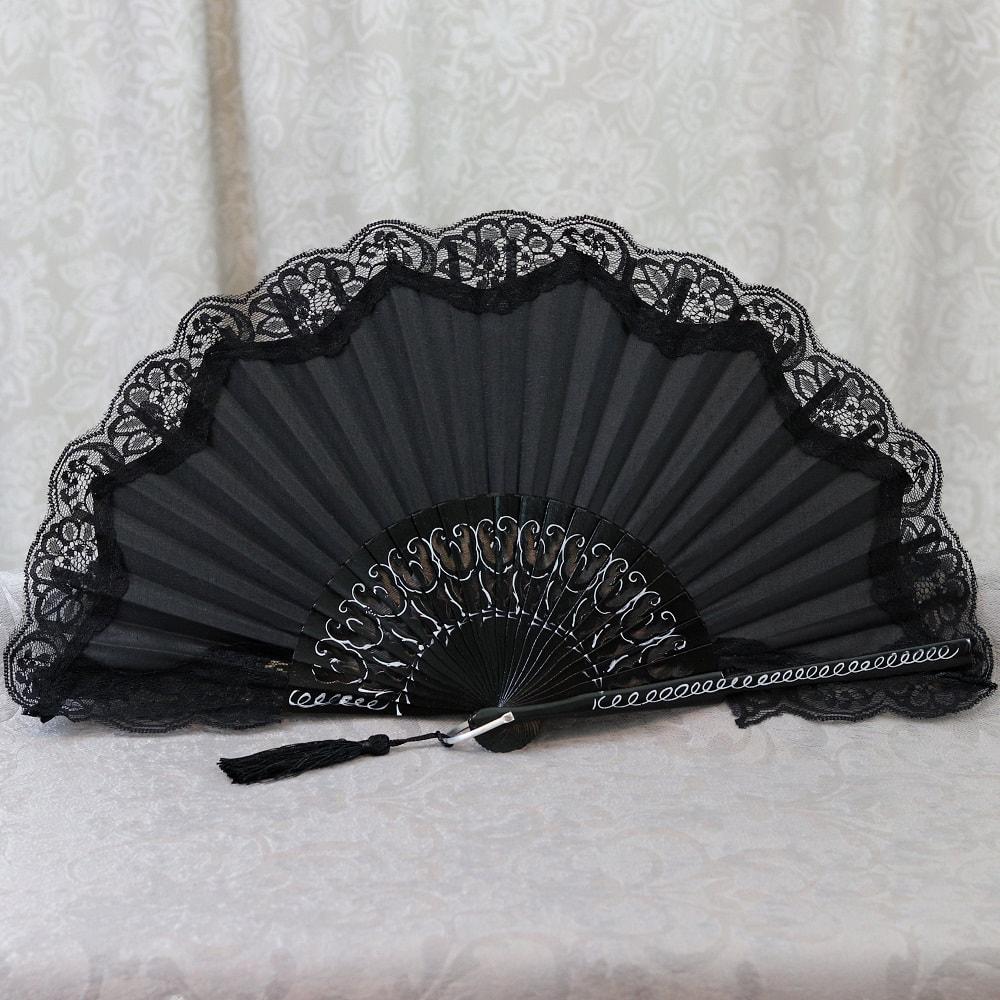
The flamenco white lace fan is more than an object; it is an experience, a journey into the heart of a culture that values passion, precision, and poetry. It promises to shift your perspective, to open your eyes to the beauty of the unspoken, and to invite you into a world where every movement tells a story. Whether you are a dancer, a collector, or simply someone who appreciates the art of living, the white lace fan offers a glimpse into a realm where elegance and emotion intertwine. It is a secret code, waiting to be deciphered by those who dare to look beyond the surface and into the soul of flamenco.


Leave a Comment