

Have you ever poured your heart onto the page, only to wonder if your raw emotions have transformed into mere digital confetti—bright, fleeting, and ultimately forgotten? Welcome to the paradox of confessional poetry, where vulnerability meets over-sharing, and the line between art and catharsis blurs into something far more complicated. This genre, born from the seismic tremors of mid-20th-century literature, promised to shatter the silence around taboo subjects like mental illness, trauma, and personal shame. Yet, in an era where every thought can be broadcast with a single tap, confessional poetry risks becoming a hall of mirrors—where the self is endlessly reflected, but rarely seen.
At its core, confessional poetry thrives on the rawness of lived experience. Pioneers like Sylvia Plath and Anne Sexton wielded their pain as both sword and shield, carving out a space where the personal was undeniably political. Their work didn’t just describe suffering; it weaponized it, turning private agony into public art. But here’s the rub: when vulnerability becomes a commodity, how do we distinguish between genuine revelation and performative exposure? The confessional impulse, once a radical act of defiance, now risks diluting into a cultural echo chamber where every confession is met with a chorus of “likes” and a flurry of emojis. So, is confessional poetry still a vessel for truth, or has it become a vessel for something far more insidious?
The Allure of the Unfiltered Self
Confessional poetry’s magnetic pull lies in its promise of authenticity. In a world saturated with curated perfection, the genre offers a tantalizing glimpse into the unvarnished soul. Readers are drawn to the rawness of a poet’s confession like moths to a flame, hungry for the kind of honesty that feels both intimate and universal. Yet, this hunger is a double-edged scalpel. The more we crave the unfiltered self, the more we risk reducing poetry to a confessional monologue—where the poet’s life becomes the sole subject, and the artistry of craft is overshadowed by the spectacle of suffering.
Consider the way social media has reshaped our relationship with vulnerability. Platforms like Instagram and TikTok have turned confession into a performance, where tears are staged for the algorithm and pain is monetized through sponsorships. Confessional poetry, once a solitary act of introspection, now exists in the shadow of this performative culture. The result? A generation of poets who write not just for themselves, but for an audience that demands constant emotional labor. The confessional poet becomes a kind of emotional influencer, trading in vulnerability as currency. But what happens when the well of pain runs dry? When the audience’s appetite for confession outpaces the poet’s capacity to feel?

The Tyranny of the Personal
There’s a quiet tyranny in the confessional poet’s obsession with the self. While the genre has undeniably given voice to marginalized experiences—mental health struggles, sexual trauma, familial betrayal—it also risks creating a literary monoculture where the personal eclipses the political. When every poem is a diary entry, where does the artistry lie? The danger isn’t just in the over-sharing; it’s in the way confessional poetry can become a echo chamber, where the poet’s voice drowns out the chorus of others. The personal, when elevated to the exclusion of all else, risks becoming solipsistic—a closed loop of one.
Take, for example, the way confessional poetry often fixates on the nuclear family as a site of trauma. While these poems can be searingly powerful, they also risk reinforcing the idea that the self is the only valid subject of art. What about the poems that grapple with systemic injustice, or the quiet heroism of everyday survival? Where does confessional poetry leave room for the collective? The genre’s strength has always been its ability to expose the cracks in the facade of societal norms, but when the facade is all that’s left, the cracks risk becoming the entire structure.
The tyranny of the personal also extends to the poet’s own life. Confessional poetry often blurs the line between art and autobiography, leaving poets vulnerable to the whims of public scrutiny. When a poem becomes a confession, the poet’s life is no longer their own. Readers dissect their relationships, their traumas, their failures, as if the poem were a roadmap to the poet’s soul. This isn’t just a breach of privacy; it’s a form of literary colonization, where the poet’s life is mined for material without consent. The confessional poet, then, becomes both the thief and the victim, stealing from their own life to feed the voracious appetite of an audience that demands constant revelation.
The Craft of Catharsis
Yet, for all its pitfalls, confessional poetry remains a vital and necessary art form. The key to navigating its paradoxes lies in the craft—not just the confession, but the alchemy of turning raw emotion into art. The best confessional poets understand that vulnerability is not enough; it must be tempered by discipline, by structure, by the careful shaping of language. They know that the most powerful confessions are not those that scream into the void, but those that whisper into the dark, inviting the reader to lean in and listen.
Consider the work of poets like Ocean Vuong or Claudia Rankine, who wield confessional elements with surgical precision. Their poems are undeniably personal, but they are also meticulously crafted, their emotions distilled into something crystalline and enduring. The confessional impulse, in their hands, becomes a tool for exploration rather than exhibition. They ask: What does it mean to bear witness to one’s own life? How can pain be transformed into something that transcends the personal?
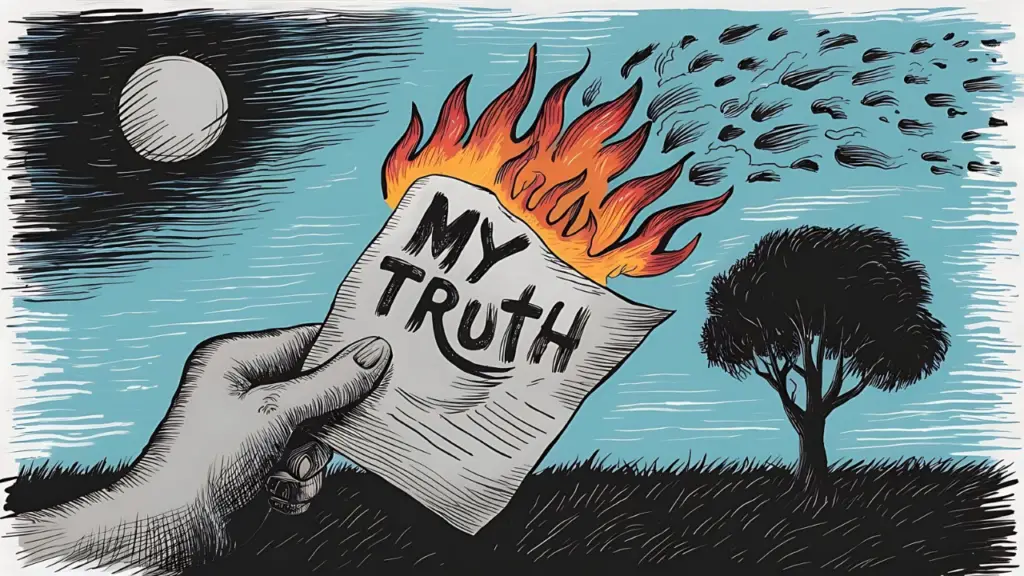
The craft of catharsis isn’t about purging emotion; it’s about refining it. It’s about recognizing that the most profound confessions are not those that lay bare the self, but those that reveal something universal in the process. The confessional poet must ask: What does my pain have to do with yours? How can my story become a mirror for others? When the focus shifts from the self to the shared human experience, the confession becomes something far greater than a diary entry—it becomes a bridge.
Navigating the Confessional Maze
So, how does one navigate the confessional maze without getting lost in the labyrinth of the self? The answer lies in balance. Confessional poetry must resist the siren call of performative vulnerability, where emotion is traded for attention. It must remember that art is not therapy, though therapy can be art. The confessional poet must ask: Am I writing to heal, or am I writing to be seen? The distinction is subtle but crucial. Healing is a private act; art is a public one. When the two become indistinguishable, the poem risks losing its power.
Another challenge lies in avoiding the trap of solipsism. The best confessional poetry doesn’t just reflect the self; it reflects the world. It asks: How does my pain connect to the pain of others? How can my story illuminate something larger than myself? The confessional poet must resist the temptation to turn inward, to make the self the sole subject of their work. Instead, they must find ways to weave their personal experiences into the broader tapestry of human existence.
Finally, the confessional poet must guard against the commodification of their pain. In a culture that thrives on emotional labor, it’s easy to fall into the trap of turning vulnerability into a product. But art is not a commodity. It is a conversation. The confessional poet must ask: Who benefits from my confession? Am I writing for myself, or for an audience that demands constant emotional labor? The answer to these questions can mean the difference between art that endures and art that is consumed and discarded.
The Future of Confessional Poetry
The future of confessional poetry lies in its ability to evolve. The genre must resist the pull of performative vulnerability and instead embrace a more nuanced relationship with the self. It must remember that the personal is political, but it is not the only politics. Confessional poetry must find ways to bridge the gap between the individual and the collective, to turn the mirror inward and outward in equal measure.
One way forward is to embrace hybrid forms—poetry that blends the personal with the political, the confessional with the experimental. Poets like Danez Smith and Warsan Shire have already begun to do this, weaving their personal experiences into broader narratives of race, gender, and justice. Their work reminds us that confessional poetry doesn’t have to be a prison of the self; it can be a launchpad for something greater.
Another path lies in reclaiming the craft of catharsis. The confessional poet must remember that vulnerability is not enough; it must be tempered by discipline, by structure, by the careful shaping of language. The best confessions are not those that scream into the void, but those that whisper into the dark, inviting the reader to lean in and listen. The future of confessional poetry lies in its ability to transform raw emotion into something enduring, something that transcends the personal and speaks to the universal.

The confessional poetry trap is real, but it is not insurmountable. The genre’s power lies in its ability to expose the cracks in the facade of societal norms, to turn personal pain into public art. But this power comes with a responsibility—to craft, to nuance, to the shared human experience. The confessional poet must ask: What does it mean to bear witness to one’s own life? How can my story become a bridge, rather than a wall?
The answer, as always, lies in the craft. In the careful shaping of language, in the balance between the personal and the universal, in the refusal to turn vulnerability into a commodity. Confessional poetry can still be a vessel for truth—but only if it resists the temptation to become a hall of mirrors, where the self is endlessly reflected but rarely seen.


Leave a Comment