

The “Sad Girl” trope has long been a staple of literary fiction, a haunting melody that resonates through the decades, evolving from the raw, unfiltered despair of Sylvia Plath to the modern, introspective melancholy of Sally Rooney. It is a narrative archetype that thrives on vulnerability, rebellion, and the quiet devastation of unmet expectations. This trope is not merely a character type but a cultural mirror, reflecting the anxieties, desires, and contradictions of the eras it inhabits. To trace its evolution is to unravel the threads of feminist discourse, emotional authenticity, and the shifting landscapes of female identity.
The Birth of the “Sad Girl”: Plath’s Unflinching Mirror
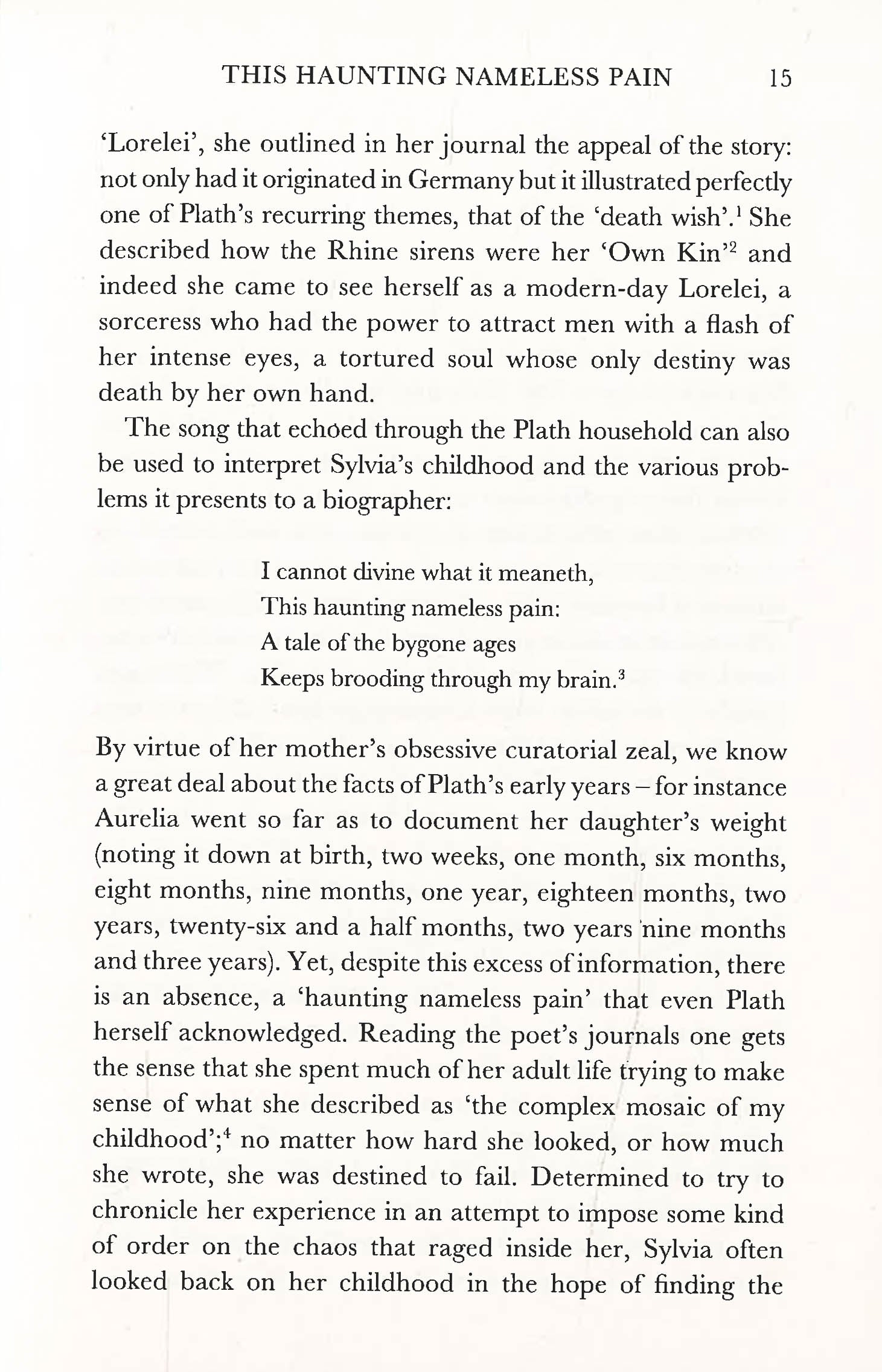
Sylvia Plath’s work is the crucible in which the “Sad Girl” trope was forged. Her poetry and prose are not just confessional—they are surgical dissections of the self, laid bare with a precision that feels almost violent. Plath’s protagonists are not merely sad; they are consumed by a grief that is both personal and universal, a grief that stems from the suffocating expectations of a patriarchal society. In The Bell Jar, Esther Greenwood’s descent into madness is not a mere plot device but a rebellion against the stifling roles prescribed for women in the 1950s. Her sorrow is a weapon, a way to reclaim agency in a world that seeks to silence her.

The “Sad Girl” in Plath’s work is not a passive victim but a force of nature, her emotions as tumultuous as a storm. Her sadness is not a flaw but a testament to her depth, her refusal to conform to the sanitized femininity of her time. Plath’s legacy lies in her ability to transmute personal anguish into art that transcends the individual, becoming a collective catharsis for women who have felt the weight of societal expectations. Her work is the genesis of a trope that would grow to encompass not just sadness but a kind of defiant, poetic despair.
From Plath to the 1990s: The “Sad Girl” as Cultural Artifact
The “Sad Girl” trope did not remain confined to the pages of Plath’s work. By the 1990s, it had seeped into the cultural consciousness, becoming a defining feature of the “riot grrrl” movement and the grunge aesthetic. Bands like Hole and Bikini Kill channeled the same raw, unfiltered emotion that Plath had pioneered, their music a soundtrack for a generation of women who felt unseen and unheard. The “Sad Girl” of this era was not just a literary construct but a cultural identity, one that embraced vulnerability as a form of strength.
This iteration of the trope was less about the quiet despair of Plath’s protagonists and more about the explosive anger of a generation fighting against the status quo. The “Sad Girl” became a symbol of resistance, her sadness a rebellion against the sanitized ideals of femininity. Yet, even in this rebellion, there was a melancholy that lingered, a sense that the fight itself was exhausting. The “Sad Girl” of the 1990s was a paradox—a warrior who carried the weight of her sorrow like a badge of honor.
The Millennial “Sad Girl”: A New Kind of Melancholy
As the 21st century unfolded, the “Sad Girl” trope underwent another transformation, this time under the influence of millennial disillusionment. The protagonists of contemporary literature, such as those in Sally Rooney’s Normal People and Conversations with Friends, are not consumed by the same existential dread as Plath’s Esther Greenwood. Instead, their sadness is quieter, more introspective, a byproduct of the digital age’s isolation and the relentless pressure to perform happiness.
Rooney’s characters are “Sad Girls” in the sense that they are emotionally complex, their sadness a natural response to the absurdities of modern life. Their grief is not grand or operatic but mundane, a quiet ache that permeates their daily existence. This iteration of the trope reflects the millennial experience—a generation that has been told to “hustle” and “manifest” their dreams, only to find themselves trapped in cycles of anxiety and disillusionment. The “Sad Girl” of today is not a rebel but a survivor, her sadness a testament to her resilience in a world that often feels indifferent.
The Allure of the “Sad Girl”: Why We Can’t Look Away
The enduring appeal of the “Sad Girl” trope lies in its ability to make the personal political. Her sadness is not just an emotion but a statement, a rejection of the idea that women must be perpetually cheerful and accommodating. There is a catharsis in her despair, a way for readers to process their own sorrows by seeing them reflected in art. The “Sad Girl” is a mirror, but she is also a shield—a way to armor oneself against the world’s expectations.
Yet, the trope is not without its critics. Some argue that the “Sad Girl” is a limiting archetype, one that reduces complex women to a single emotion. Others point out that her sadness can sometimes feel performative, a way to garner sympathy without addressing the root causes of her despair. Despite these critiques, the trope persists because it resonates. It speaks to the universal human experience of pain, and in doing so, it offers a kind of solace.
The “Sad Girl” as a Metaphor for Modern Feminism
The evolution of the “Sad Girl” trope is inextricably linked to the progression of feminist thought. In Plath’s time, her sadness was a rebellion against the constraints of a patriarchal society. In the 1990s, it became a rallying cry for a generation fighting against the remnants of those constraints. Today, the “Sad Girl” reflects the contradictions of modern feminism—a movement that has made strides in equality but still grapples with the emotional toll of systemic oppression.
Her sadness is not just a personal struggle but a collective one, a metaphor for the ways in which women are still fighting to be seen and heard. The “Sad Girl” is a reminder that feminism is not just about equality in the workplace or the home but about the right to feel deeply, to be messy, and to exist outside the narrow confines of societal expectations. She is a testament to the power of vulnerability, a force that can dismantle the walls of repression.
The Future of the “Sad Girl”: What Lies Ahead?
As we look to the future, the “Sad Girl” trope shows no signs of fading. If anything, it is evolving, adapting to the new landscapes of digital culture and global crises. The “Sad Girl” of tomorrow may be even more introspective, her sadness a response to the existential threats of climate change and political instability. She may also be more intersectional, her experiences reflecting the diverse realities of women across the globe.
One thing is certain: the “Sad Girl” will continue to be a vessel for our collective sorrows, a way to process the pain of living in an imperfect world. Her appeal lies in her authenticity, her refusal to sugarcoat the human experience. She is a reminder that sadness is not a weakness but a part of the human condition, and in embracing it, we find a strange kind of strength.
The “Sad Girl” trope is more than a literary device; it is a cultural touchstone, a way for women to articulate their pain and, in doing so, reclaim their power. From Plath’s unflinching gaze to Rooney’s quiet introspection, her evolution is a testament to the enduring nature of female resilience. She is the storm and the calm, the rebellion and the surrender. And as long as there are stories to be told, she will continue to haunt—and heal—us all.


Leave a Comment