

In the grand ballet of storytelling, a magic system is the unseen choreographer—silent yet omnipresent, shaping every pirouette of plot and character. It is the invisible hand that turns the gears of wonder, the alchemy that transmutes the mundane into the extraordinary. But here’s the paradox: the most compelling magic systems feel effortless, as if they’ve always existed, woven into the fabric of the world like the threads of a tapestry no one notices until they’re pulled taut. Crafting such a system doesn’t require a doctoral thesis or a 500-page grimoire. Instead, it demands a blend of intuition, restraint, and a dash of mischief. Let’s embark on a journey to build a magic system that feels alive, not like a rulebook, but like the pulse of a living, breathing world.
Imagine, if you will, magic not as a tool, but as a living organism—a sprawling, sentient forest where every spell is a whisper of the wind through the leaves, every incantation a rustle of unseen creatures. This is the first principle: treat your magic system as an ecosystem, not a vending machine. In nature, nothing exists in isolation. Trees depend on fungi; predators rely on prey; rivers carve canyons over millennia. So too should your magic system thrive on interdependence. A spell that heals might deplete the caster’s vitality, or a fireball could leave behind embers that ignite unintended consequences. The key is to let the magic breathe, to let it evolve organically rather than be dictated by a rigid flowchart. When magic feels like it has its own agenda, it becomes far more intriguing than any spell list ever could.


The Alchemy of Constraints: Why Limits Breed Brilliance
At first glance, constraints seem like the enemy of creativity. But in the realm of magic, they are the crucible in which brilliance is forged. Consider the allure of a lock—without its intricate tumblers, it’s just a hunk of metal. Similarly, a magic system without limits is a blank canvas, devoid of tension or stakes. The most enchanting systems are those that dance on the edge of a precipice, where power is not infinite but earned, where every use of magic exacts a price.
Think of the One Power in Robert Jordan’s *Wheel of Time*—a force so vast it could unravel reality itself, yet its wielders are bound by gender, by geography, by the very fabric of their souls. Or the Allomancy in Brandon Sanderson’s *Mistborn*, where metals are the currency of power, and each metal grants a unique, narrowly defined ability. These systems thrive because they are not about what magic can do, but what it cannot. Constraints breed creativity. They force characters to improvise, to strategize, to make sacrifices. And in doing so, they transform magic from a party trick into a crucible of human (or inhuman) drama.
So, how do you impose these constraints without stifling the wonder? Start by asking: What is the cost of magic? Is it exhaustion? Corruption? A ticking clock, counting down to an inevitable reckoning? Perhaps it’s a currency—blood, memories, or the fading light of a dying star. The cost doesn’t have to be physical; it can be emotional, moral, or even societal. A witch who trades years of her life for a single spell may gain power, but at what personal expense? A sorcerer who draws power from the suffering of others may ascend, but at what moral cost? These questions don’t just add depth; they make magic feel like a living, breathing force with teeth.
The Whisper of the Unseen: Subtlety as a Superpower
In an era where magic is often depicted as a dazzling spectacle—fireballs hurled like confetti, spells that rewrite reality in a single incantation—it’s easy to forget the quiet allure of the subtle. The most memorable magic systems are not those that shout, but those that murmur. They are the shadows in the corner of the reader’s eye, the half-remembered dream that lingers long after waking. Subtlety doesn’t mean weakness; it means sophistication. It means magic that seeps into the world like ink in water, staining the fabric of reality without drawing attention to itself.
Consider the magic of *Jonathan Strange & Mr Norrell*, where spells are not flashy displays of power but intricate, almost scholarly pursuits. A magician doesn’t so much cast a spell as coax a fleeting moment of order from the chaos of the universe. Or take the magic in *The Kingkiller Chronicle*, where naming is power, but the true art lies in the precision of the name—whispering a word to a lock to open it, or to a memory to alter it. These systems are compelling because they feel real. Magic isn’t just a tool; it’s a language, a science, an art form that requires study, patience, and a deep understanding of the world’s hidden rules.
To weave subtlety into your magic system, start small. Instead of a grand explosion, show a candle that flickers unnaturally in the presence of a hidden presence. Instead of a hero summoning a storm, depict a farmer noticing that the crops grow faster after a certain ritual. The magic should feel like an undercurrent, something that the characters—and the readers—notice only when they pay close attention. This approach doesn’t just make the magic feel more immersive; it invites the audience to become detectives, piecing together the rules of the world alongside the characters.
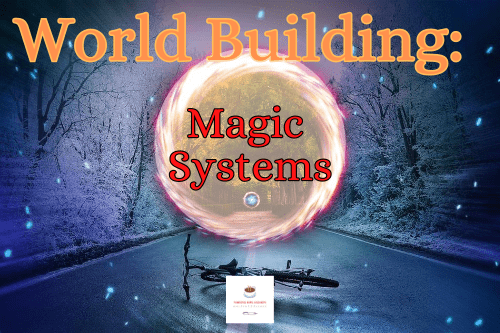
The Mirror of Humanity: How Magic Reflects Its Wielders
Magic is never neutral. It is a mirror, reflecting the hopes, fears, and flaws of those who wield it. A society that reveres magic as a divine gift will treat its practitioners with awe and reverence, while one that fears it may hunt them like beasts. The magic system, then, is not just a set of rules—it’s a cultural artifact, a living testament to the values and contradictions of the world it inhabits. This is where your system truly comes alive: in the way it shapes and is shaped by the people who use it.
Take the magic in *The Broken Earth* trilogy by N.K. Jemisin, where orogenes—those who can manipulate seismic energy—are both feared and exploited by a society that depends on them. The magic system isn’t just a tool; it’s a metaphor for oppression, survival, and the cost of power. Or consider the *Sanderson’s Laws* of magic, which emphasize that the limitations of magic should be tied to the themes of the story. If your tale is about sacrifice, let magic demand a terrible price. If it’s about discovery, let magic be a puzzle to be solved. If it’s about hubris, let magic corrupt those who wield it without humility.
To make your magic system a true reflection of your world, ask: Who gets to use magic, and why? Is it a birthright, a privilege earned through trial, or a curse passed down through generations? How does society view magic? As a blessing, a threat, a commodity, or a relic of a forgotten age? The answers to these questions will give your magic system depth and resonance. They will turn it from a mechanical device into a living, breathing part of your world’s identity. And in doing so, they will make your story unforgettable.
The Dance of Discovery: Letting Readers Unravel the Mystery
There’s a certain magic—pun intended—in the act of discovery. The best magic systems are not spelled out in exhaustive detail; they are hinted at, alluded to, left for the audience to piece together. This isn’t about withholding information for the sake of mystery; it’s about creating a sense of wonder, of shared secrets between the storyteller and the audience. When readers feel like they’re uncovering the rules of magic alongside the characters, the experience becomes participatory. It transforms passive consumption into active engagement.
Consider the magic in *The Name of the Wind* by Patrick Rothfuss, where the protagonist’s knowledge of sympathy (a system of sympathetic magic) is revealed gradually, through trial and error, through mistakes and triumphs. The reader learns alongside Kvothe, piecing together the rules as he does. This approach doesn’t just make the magic feel more immersive; it makes the story feel like an adventure, a puzzle to be solved. It invites the audience to lean in, to pay attention, to become invested in the world’s inner workings.
To cultivate this sense of discovery, resist the urge to explain everything upfront. Instead, let the magic reveal itself organically. Show characters struggling to understand its rules, making mistakes, and paying the price for their ignorance. Use misdirection—perhaps a spell that seems to work one way but has hidden consequences. Or introduce a character who believes they’ve mastered the system, only to discover they’ve been wrong all along. The goal isn’t to confuse your audience, but to make them feel like they’re part of the journey. After all, the most enchanting magic systems aren’t those that are fully understood, but those that feel like they’re still being uncovered.

In the end, a magic system is more than a set of rules or a list of spells. It is the heartbeat of your world, the unseen force that shapes its destiny. It is the difference between a story that feels like a fairy tale and one that feels like a living, breathing reality. To build such a system, you must approach it not as a writer, but as a world-shaper—a gardener tending to an ecosystem, a detective uncovering hidden truths, a storyteller weaving a spell of your own.
Remember: the most compelling magic systems are not those that are explained, but those that are experienced. They are not static texts, but living, evolving forces that shape and are shaped by the world they inhabit. So let your magic breathe. Let it surprise you. Let it demand its price. And above all, let it feel inevitable—the way a river carves a canyon, or a storm gathers on the horizon. When magic feels like it has always existed, like it was never invented but discovered, you’ll know you’ve done it right.


Leave a Comment