

The Venice Art Biennale has long been a crucible of cultural alchemy, where the zeitgeist is distilled into visceral experiences. As whispers of its 2026 edition echo through the labyrinthine canals of anticipation, one theme—In Minor Keys—emerges not merely as a curatorial choice but as a clarion call to reimagine the very scaffolding of artistic discourse. This is no ordinary thematic directive; it is a siren song for chaos, a manifesto disguised as an exhibition title, promising to unravel the rigid harmonies of tradition and usher in an era where dissonance is not just tolerated but revered. But what does it truly mean to step into the minor keys of art? And how might this thematic pivot catalyze a broader cultural metamorphosis—one that transcends the Biennale’s gilded walls to infiltrate the collective consciousness?
The Minor Keys as a Metaphor: Discord as the New Harmony
In music, the minor key is often associated with melancholy, introspection, or unresolved tension. Yet, in the lexicon of the Venice Biennale, In Minor Keys is a deliberate provocation—a rejection of the major chord’s triumphalism in favor of a polyphony of unresolved notes. This thematic choice is less about sorrow and more about the beauty of fragmentation, the elegance of asymmetry, and the power of what remains unsaid. It invites artists to explore the interstitial spaces between harmony and cacophony, where the cracks in the facade of cultural narratives become the most fertile ground for creation.
The minor key, in this context, is a rebellion against the tyranny of resolution. It is an acknowledgment that life—and art—is not a neatly orchestrated symphony but a sprawling, discordant jazz improvisation. The Biennale’s embrace of this theme signals a shift from the didactic to the dialogic, from the singular voice to the chorus of dissenting opinions. It is a call to artists to embrace the dissonant, the ambiguous, and the unresolved, for it is in these spaces that the most profound revelations often lie.
Chaoticism: The Unseen Engine of Artistic Evolution
If In Minor Keys is the thematic heartbeat of the 2026 Biennale, then chaoticism is its philosophical backbone. Coined by philosopher and cultural theorist Reza Negarestani, chaoticism is the idea that chaos is not merely the absence of order but a generative force—a wellspring of creativity and transformation. In the context of the Biennale, chaoticism becomes a lens through which to view the theme, suggesting that the minor keys are not a retreat into silence but an active engagement with the unruly, the unpredictable, and the uncontrollable.
This is not chaos for chaos’s sake. It is a deliberate embrace of the messy, the unresolved, and the unpolished as essential components of the artistic process. The Biennale’s 2026 edition, under this rubric, will not merely showcase art; it will stage a confrontation between order and entropy. Artists will be challenged to create works that resist easy interpretation, that thrive in the gray areas between clarity and confusion. The result? A Biennale that is less a curated exhibition and more a living, breathing organism—one that grows, mutates, and evolves in real time.
The Biennale as a Mirror: Reflecting Societal Fractures
The Venice Art Biennale has always been a mirror held up to society, reflecting its anxieties, aspirations, and contradictions. With In Minor Keys and chaoticism as its guiding stars, the 2026 edition promises to be no different—but with a twist. This Biennale will not just reflect the fractures of the world; it will amplify them, turning them into a symphony of dissonance. The theme invites artists to grapple with the unresolved tensions of our time: the climate crisis, the erosion of democracy, the rise of artificial intelligence, and the fracturing of cultural identities.
Imagine an installation where the sounds of melting glaciers are layered with the static of a dying radio signal, or a sculpture that collapses under its own weight, mirroring the fragility of societal structures. These are not mere metaphors; they are visceral experiences designed to jolt the viewer out of complacency. The Biennale, under this thematic umbrella, becomes a space where the personal and the political collide, where the minor keys of individual experience harmonize with the chaotic cacophony of global upheaval.
The Audience as Co-Conspirator: Participation in the Minor Keys
Art is not a passive experience. It is a dialogue, a negotiation, a sometimes-uncomfortable exchange between creator and audience. The 2026 Biennale’s theme In Minor Keys extends this invitation to the viewer, transforming them from passive observers into active participants in the artistic process. The minor keys, after all, are not meant to be heard in solitude; they are meant to be felt in community. This Biennale will demand that audiences lean into the discomfort of ambiguity, that they embrace the role of the detective, piecing together narratives from fragments of sound, image, and text.
Consider an interactive exhibit where visitors are given a set of cryptic instructions—perhaps a series of abstract symbols or a fragmented poem—and asked to create their own interpretations. The result is not a single, authoritative narrative but a kaleidoscope of responses, each one a minor key in the larger composition. This is the power of In Minor Keys: it turns the Biennale into a living archive of collective imagination, where the audience’s role is not to consume but to contribute.
Beyond Venice: The Ripple Effect of Chaoticism
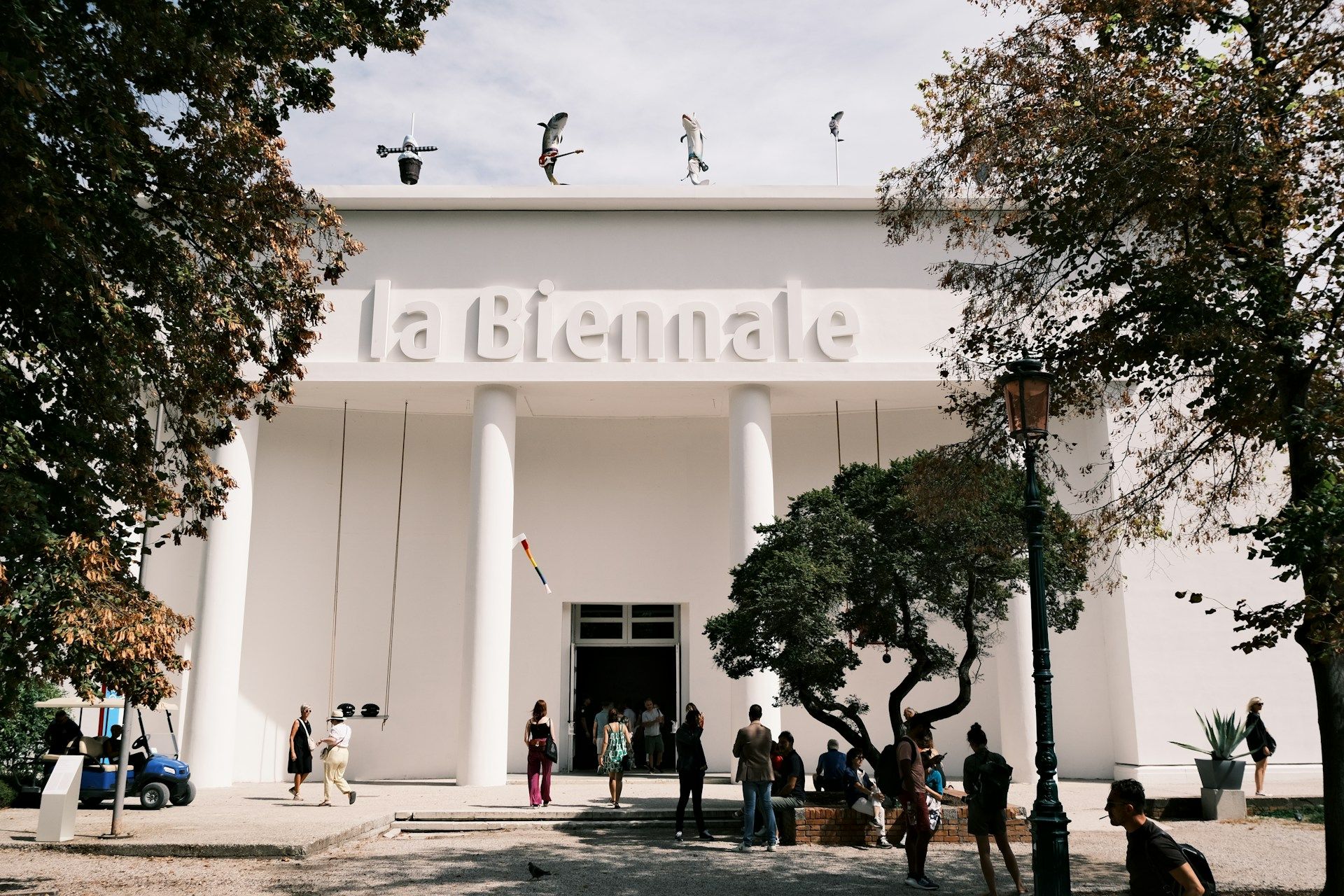
The influence of the 2026 Biennale will not be confined to its lagoon-bound pavilions. The themes of In Minor Keys and chaoticism are poised to reverberate through the global art world, challenging institutions, collectors, and critics to rethink their roles in an era of uncertainty. Galleries may begin to prioritize works that embrace ambiguity, festivals might commission performances that thrive on improvisation, and art schools could revise their curricula to emphasize the value of the unresolved.
This Biennale could mark the beginning of a new artistic movement—one that rejects the tyranny of the finished product in favor of the unfinished, the in-progress, the perpetually evolving. It could inspire a generation of artists to reject the pressure to “solve” their work and instead embrace the joy of the open-ended. In this sense, the Biennale is not just an event; it is a catalyst, a spark that could ignite a wildfire of creative experimentation across disciplines and geographies.
The Legacy of Koyo Kouoh: A Curatorial Vision Unfinished
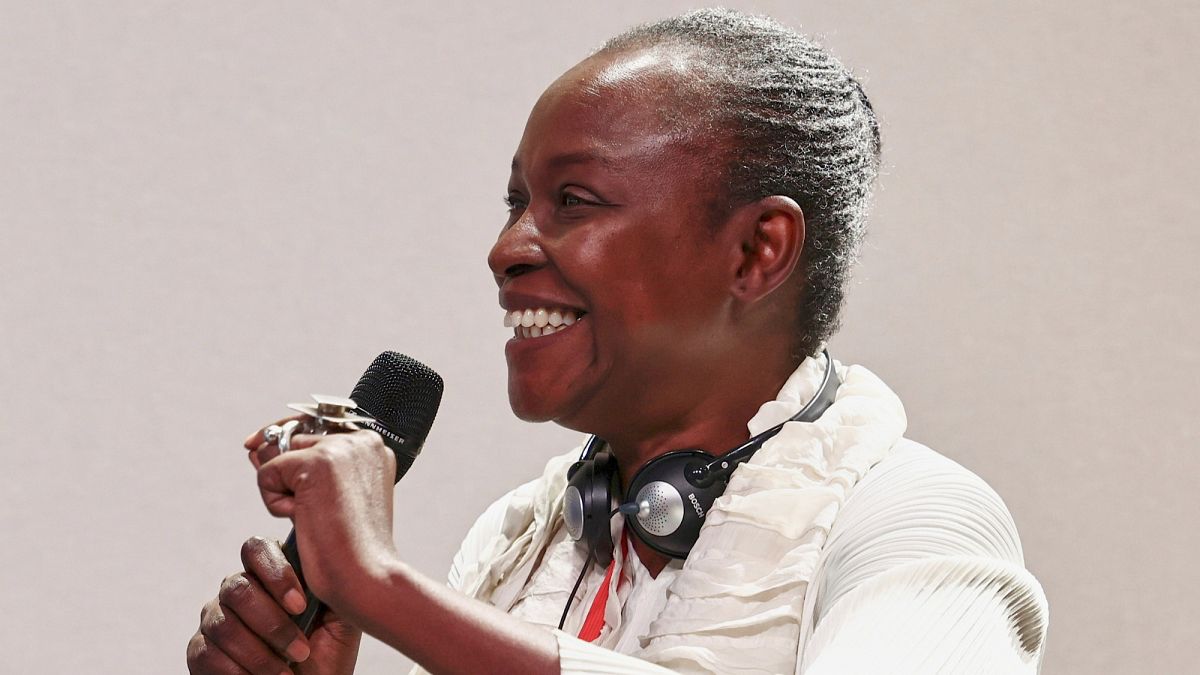
The Biennale’s 2026 theme is a tribute to the late curator Koyo Kouoh, whose vision for the event was rooted in the belief that art should be a site of radical possibility. Kouoh understood that the minor keys are not a retreat but an advance—a way to move forward by looking backward, by listening closely to the silences as much as the sounds. Her legacy, embodied in the theme In Minor Keys, is a call to artists to dig deeper, to question harder, and to create without the safety net of resolution.
Kouoh’s work reminds us that the most powerful art is often the art that resists easy answers. It is the art that lingers, that haunts, that refuses to be pinned down. In this light, the 2026 Biennale is not just an exhibition; it is a manifesto, a provocation, and a promise. It is a promise to challenge, to disrupt, and to redefine what art can be in a world that is increasingly fragmented and uncertain.
As the countdown to 2026 begins, one thing is clear: the Venice Art Biennale is not merely preparing to showcase art. It is preparing to stage a revolution—one minor key at a time.


Leave a Comment