

In a rapidly urbanizing world, where concrete jungles often overshadow natural landscapes, a powerful movement quietly unfolds—biophilic art. Far beyond a mere aesthetic trend, biophilic art embodies an evolutionary yearning embedded deep within the human psyche: the intrinsic connection to nature. This art form bridges the ancient human affinity for the organic with contemporary creative expressions, offering both solace and revitalization amidst the cacophony of modern life. Through a kaleidoscope of forms and media, biophilic art not only beautifies our surroundings but addresses an essential need for balance and well-being.
The Essence of Biophilic Art
Biophilic art is rooted in biophilia, a term coined by biologist Edward O. Wilson to describe humanity’s innate love for life and life-like processes. This creation transcends passive representation of nature; it evokes sensory immersion, emotional resonance, and a subconscious rekindling of our primal bonds. Whether through intricate textures mimicking bark and leaves or compositions invoking the rhythm of water and wind, biophilic art captures the ineffable dance between humanity and the natural world.
Imagine walking into a space where art does not just adorn but breathes, pulsates, and whispers the hidden language of growth, decay, and renewal. This is biophilic art’s transformative potential—it invites viewers to reconnect with patterns that shaped human consciousness long before the advent of civilization.
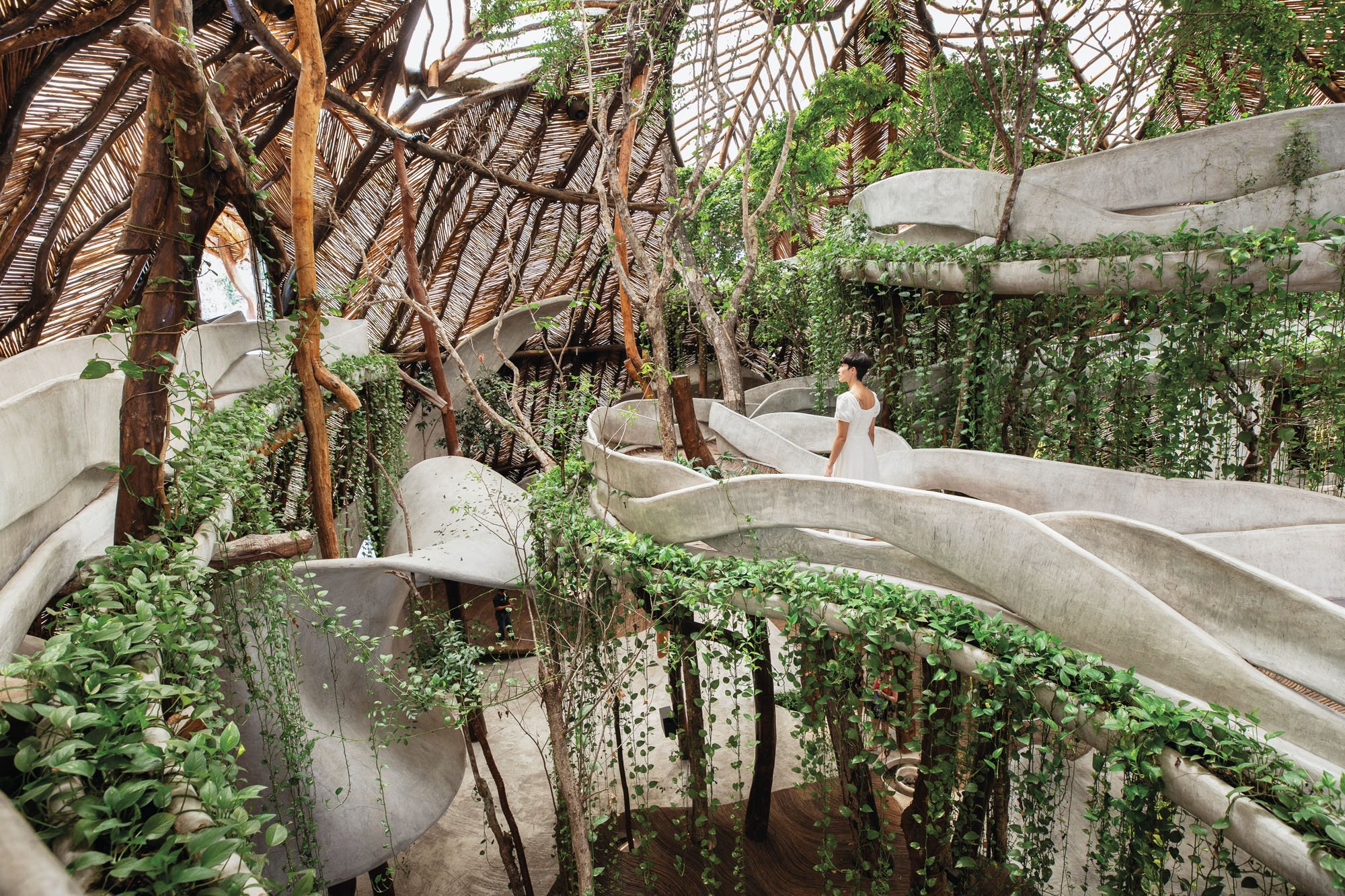
Diverse Manifestations of Biophilic Art
One of the most compelling dimensions of biophilic art is its expansive versatility. It spans a spectrum of media—from traditional painting and sculpture to innovative digital installations and architectural elements. This diversity ensures that every individual can encounter nature’s essence in a form that resonates uniquely with their senses and sensibilities.
- Textural Sculpture: These artworks utilize natural materials such as wood, stone, moss, and even living plants. Artists sculpt with intention, creating tactile experiences that invite touch and exploration, evoking forests, rivers, or even microscopic ecosystems.
- Immersive Installations: Multimedia installations combine light, sound, and organic materials to simulate environments that stimulate multiple senses simultaneously. Such experiences foster profound psychological relaxation and reawaken a sense of awe.
- Environmental Murals and Murmuration: Large-scale murals often incorporate real plants integrated with pigments derived from natural elements, blurring the line between art and habitat.
- Digital and Interactive Art: Utilizing augmented reality or bio-feedback mechanisms, these pieces respond dynamically to viewer presence or environmental changes, embodying the dialogic nature of ecosystems.
This pluralistic approach reflects the multiplicity of biophilic connections—whether through visual, tactile, auditory, or even olfactory pathways.
The Psychological and Physiological Imperatives
Modern neuroscience and psychology reveal profound benefits linked to exposure to natural stimuli, even when mediated through art. Biophilic art can reduce stress, enhance cognitive function, and accelerate healing by activating the parasympathetic nervous system. Hospitals, schools, and offices increasingly incorporate biophilic elements to cultivate environments conducive to well-being and productivity.
More than decorative reprieve, these works act as therapeutic agents, attuning humans to rhythms and patterns that foster psychological stability. The soothing irregularities of natural forms counterbalance the rigid geometry ubiquitous in urban design, reintroducing a visceral sense of place and belonging.

Biophilic Art as Evolutionary Adaptation
Far from whimsical, the prominence of biophilic art reflects an evolutionary imperative. Human genetic code is intertwined with natural environments; our ancestors thrived through symbiotic relationships with the earth, sky, and water. As civilization distances people from direct nature, an archetypal dissonance occasionally manifests as urban malaise or “nature-deficit disorder.”
Biophilic art provides a critical biological scaffolding to restore that essential harmony. It deliberately integrates fractal patterns, organic asymmetry, and natural palettes proven to resonate with innate human preferences. Thus, these creations are not only visually compelling but neurologically attuned to our evolutionary wiring.
Expectations for Readers: Navigating Biophilic Content
Exploring biophilic art offers multiple channels of understanding and engagement:
- Historical Context: Insight into the genesis of biophilic concepts and their transformation through cultural epochs.
- Visual Narratives: Galleries and curated selections that portray how artists interpret biophilia in dynamic ways.
- Scientific Foundations: Explanations of the psychological and physiological mechanisms influenced by natural stimuli embedded in art.
- Practical Applications: Guides on integrating biophilic art into living and working spaces for enhanced health and creativity.
- Interactive Experiences: Access to virtual or real-world installations designed to immerse visitors in natural mimicry via technology.
Diving into these varied types of content equips readers not just with appreciation but with actionable insight—how to invite biophilia into their lives through intentional art and design choices.
The Future Trajectory of Biophilic Art
As ecological awareness intensifies and sustainable living emerges as a global imperative, biophilic art is poised to deepen its influence. Its fusion with emerging technologies such as AI and biomimicry will birth new paradigms of creative expression—artworks that autonomously adapt, heal, and evolve in consonance with their environments.
Moreover, biophilic art is shifting from isolated installations to integrative frameworks influencing architecture, urban planning, and even social policy. This holistic embrace unites aesthetics with ethics, healing with habitat, and imagination with instinct.
Ultimately, biophilic art transcends decorative ambition. It channels a profound evolutionary need, a call to reawaken the dormant dialogue between humanity and nature. Engaging with this art is an invitation to rediscover wholeness, reminding us that within every stroke, texture, and form lies the pulse of life itself.


Leave a Comment