

Imagine stepping into an oasis where the pulsating vitality of nature fuses seamlessly with the evocative strokes of a masterful brush. This is no mere dreamscape; it is the burgeoning world of biophilic design meeting fine art—a symphony of life and creativity orchestrating the interiors of 2026. The walls whisper verdant secrets, and the air hums with the cadence of crafted elegance. Together, these seemingly disparate elements forge a sanctuary that nurtures both the body and the soul, redefining the art of living.
The Enchantment of Biophilic Design: Nature as the Unseen Artist
Biophilic design is far more than a trend; it is a reverent ode to our primal connection with the natural world. It operates like a silent gardener within interior spaces, coaxing harmony and balance through organic shapes, natural light, and a tapestry of textures. The essence of biophilic design lies in its ability to translate the untamed wilderness into a curated experience that soothes and energizes simultaneously. Think of it as an invisible thread weaving vitality through the fabric of modern architecture.

This aesthetic is delicately layered—lush greenery cascading from open shelves, earthy palettes that mimic forest floors, and artisan-crafted furnishings that echo the grain of seasoned wood. Each element serves as a tactile heartbeat of the environment, engaging the senses in subtle yet powerful ways. This profound integration transcends mere decoration; it beckons a deeper, almost spiritual, engagement with the space.
When Fine Art Breathes Life Into Interiors
Fine art—distinct, provocative, and laden with meaning—introduces an exquisite dimension to interiors influenced by biophilia. Art does not merely decorate; it dialogues. Within these spaces, artworks act as emotional fulcrums, distilling human experience into visual form. The interplay between natural motifs and artistic expression cultivates a dynamic equilibrium where the environment reflects the psyche.

Imagine a canvas where flora is not just depicted but celebrated with brushstrokes thick with passion, radiating the vibrancy of living ecosystems. Sculptures mimic natural forms, their contours reminiscent of pebbles shaped by relentless rivers, or branches twisted by time’s patient hand. Each piece infuses the environment with stories and textures, layering complexity over the simplicity of nature’s blueprint.
The Synergistic Nexus: Biophilic Design Meets Fine Art
When biophilic design intertwines with fine art, the result is an immersive narrative rather than a static showcase. This fusion generates a living gallery where plants, light, texture, and human creativity converse effortlessly. The juxtaposition sharpens each element’s distinctiveness while underscoring their shared language—the quest for authenticity, vitality, and transcendence.
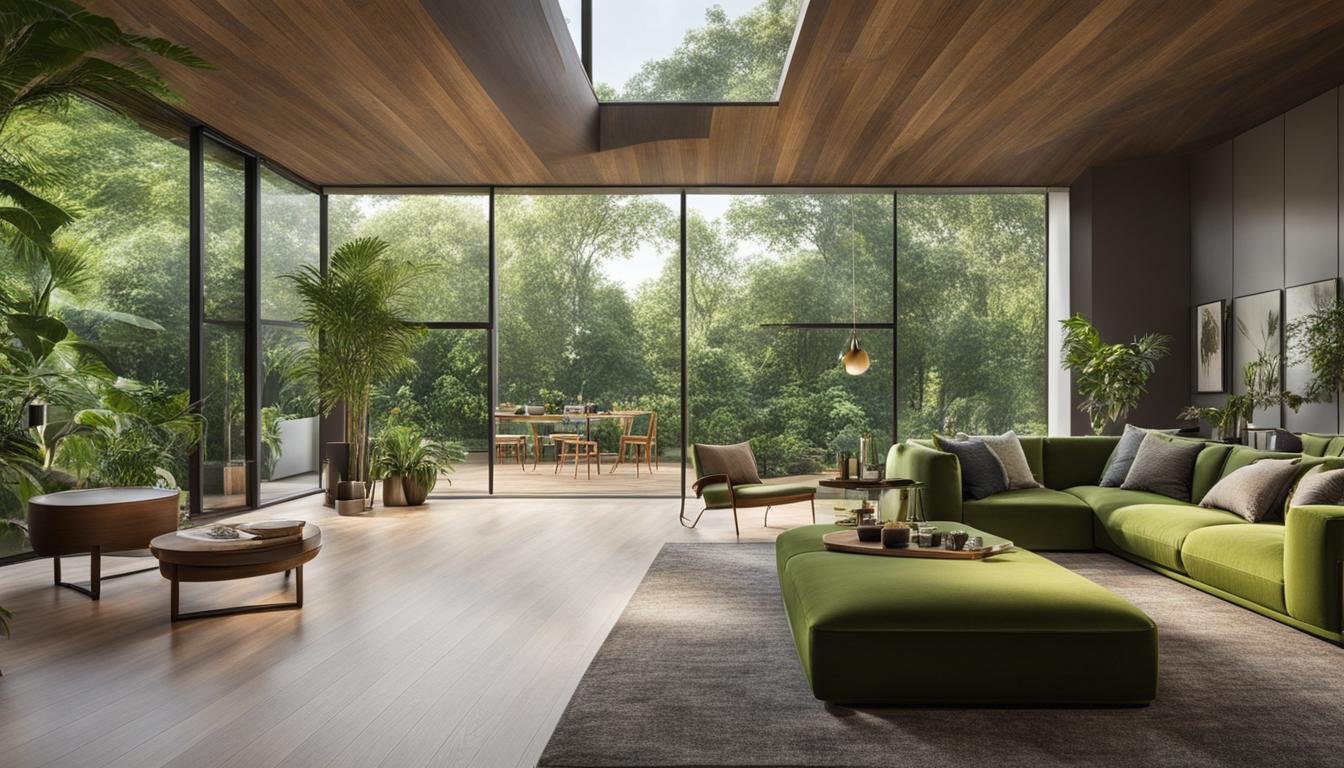
Spaces curated with this philosophy become curated ecosystems. Walls become canvases not only for paint but for the cascade of dappled sunlight filtering through leaves. Floors, dressed in natural fibers or stone, ground the artistic vibrancy while enhancing tactile comfort. This design ethos emphasises multisensory experiences, fostering environments where one doesn’t just dwell but truly thrives.
Crafting Your Own Sanctuary: Practical Pathways for 2026
Integrating biophilic design with fine art in your own interiors calls for intentionality and a keen eye for balance. Begin with a canvas of natural materials—wood, stone, and fiber—selected not only for their aesthetic but for their ability to age gracefully, evolving alongside the inhabitants.
Next, cultivate a collection of living art: plants that breathe and grow, their forms echoing the shapes represented in paintings or sculptures. Position your art pieces where they can interact with natural light and foliage, allowing shadows and highlights to transform their presence throughout the day.
Consider textured wall treatments that mimic organic surfaces, perhaps plaster walls with undulating finishes or reclaimed wood paneling with irregular grains. These elements amplify the tactile narrative enticing visitors to not only look but feel the story.
Lighting, often the unsung hero, should meander and dance, reflecting the phantasmagoria of a forest canopy or ocean waves glimmering under moonlight. Artisanal lighting fixtures—inspired by natural forms like branches or petals—serve as conceptual anchors, blending function with sculptural intrigue.
Why This Trend Resonates Beyond Aesthetics
The appeal of biophilic design meeting fine art transcends shallow cosmetic allure. It is rooted in a human yearning for connection—to ourselves, to the environment, and to a deeper sense of beauty. In an era dominated by digital interfaces and synthetic experiences, these interiors become a haven where reality’s richness is rediscovered.
Psychological studies affirm that immersion in nature-inspired spaces reduces stress, enhances creativity, and promotes well-being. When fine art steps into this equation, it articulates personal and collective narratives that enliven these effects, inviting occupants into a continuous dialogue with their surroundings.
The 2026 wave of interior design promises spaces that are not only visually arresting but intimately restorative. They are poetic compositions where every texture, hue, and shape narrates an ongoing saga—one defined by growth, resilience, and the sublime grace of existence itself.
The Future: Living Canvases and Evolving Experiences
As we look forward, the evolution of biophilic design entwined with fine art suggests interiors will become more than static backdrops; they will transform into living canvases. Expect kinetic art installations responding to environmental changes and plants that shift with season and light, creating a choreography of evolving aesthetics.
This is an invitation to perceive our living spaces as extensions of ourselves—ever-changing, intricate, and deeply anchored in the natural world. The marriage of nature and art is poised to redefine the sanctuaries we inhabit, signaling a renaissance in how we relate to space and creativity.
Embracing the 2026 trend of biophilic design meeting fine art is more than a design choice; it is a manifesto for a richer, more harmonious way of living. Step into this world, and you enter a dialogue with life itself, where every surface breathes, every shadow sings, and every corner inspires. The future of interiors is breathtakingly alive.


Leave a Comment