

What if chaos and friction, often perceived as mere nuisances or obstacles, were actually heralds of creativity, growth, and celebration? Could the very tensions and resistances we shy away from be the sparks that ignite innovation and deepen our experience of life? Welcome to the multifaceted world of Chaoticism, a playful yet profound philosophy that champions friction as a vital, even celebratory force in our lives.
Unraveling the Enigma of Chaoticism
At its heart, Chaoticism is a vibrant defiance of order’s monopoly. It challenges the monotonous pursuit of smoothness and ease, advocating instead for the textured complexity that friction introduces. In a society obsessed with harmony and predictability, this concept dares to ask: what if life’s most exhilarating moments arise precisely where things don’t quite fit, where opposing forces collide and create palpable tension?
Friction, far from being a mere physical interaction, becomes a metaphor for the resistance and clash within human experience. It is the abrasive surface against which ideas sharpen, relationships evolve, and identities crystallize. Imagine the sound of vinyl grooving under a needle, crackling slightly, imperfect yet intoxicatingly real. This imperfection is its beauty, a sonic celebration of irregularity.
Friction in the Fabric of Festivity

Consider festivals, those pulsating celebrations teeming with energy. They are, paradoxically, orchestrated chaos: a magnificent tangle of sights, sounds, and emotions. The crowded streets, spontaneous dances, and bursts of communal joy are rife with friction—between tradition and innovation, order and exuberance, noise and silence.
These moments expose a fundamental truth in Chaoticism: friction is indispensable for celebration. Without tension and unpredictability, joy risks becoming sterile, robotic, devoid of the depth that contrast yields. Festivals embracing their chaotic undercurrents renew both cultural identity and individual spirit, proving that friction is not only necessary but desirable in the collective human theater.
Friction as Catalyst: The Alchemy of Success

In the corporate and creative arenas alike, success is often portrayed as a well-oiled machine, smooth and streamlined. Yet, upon closer inspection, one finds friction plays an unacknowledged but pivotal role. It is the clash of divergent ideas, the pushback against complacency, the scrapes from unrelenting perseverance that forge extraordinary outcomes.
Think of the metaphorical grind within engines—the continuous, sometimes harsh rubbing of parts that enables motion and power. Similarly, organizational and personal breakthroughs frequently stem from navigating conflicts and overcoming obstacles. Embracing friction encourages adaptive thinking and robust resilience, hallmarks of sustained success.
Musical Friction: An Artistic Embrace of the Unpredictable
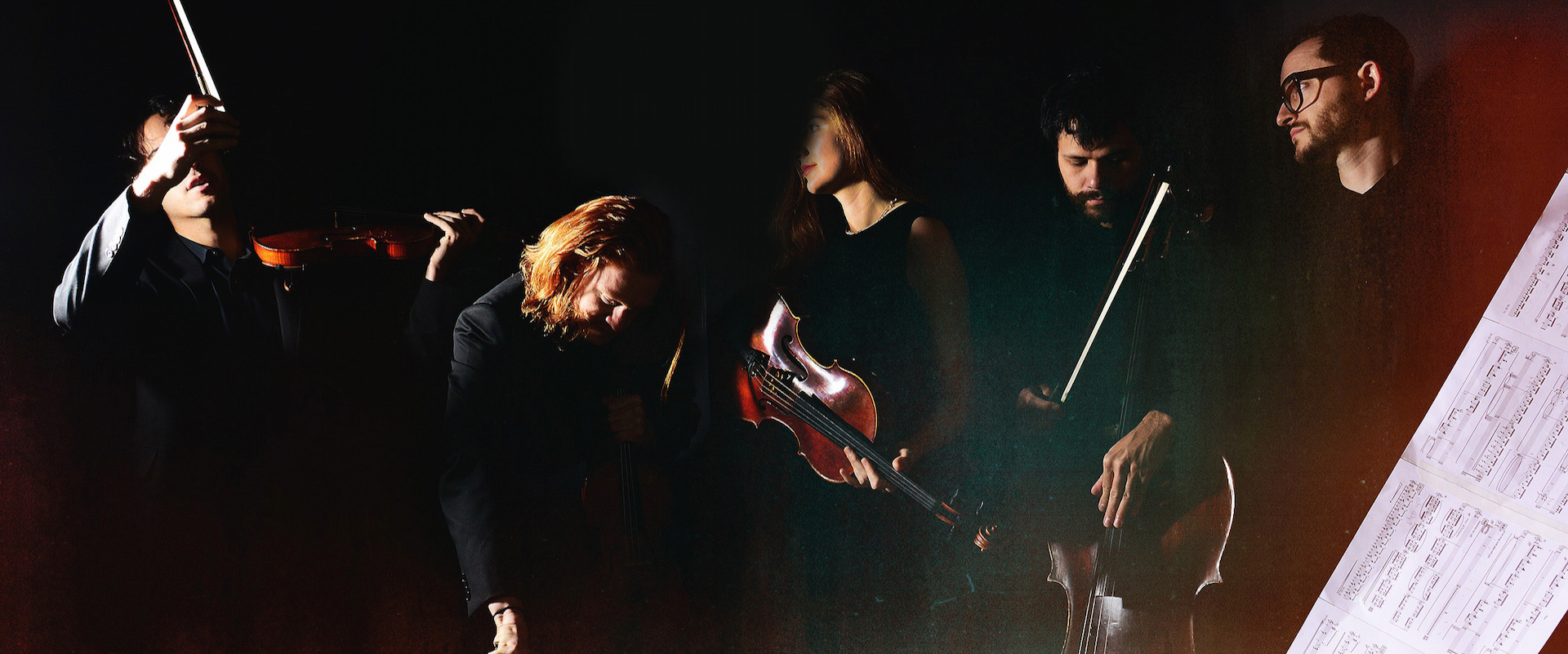
Music provides perhaps the most sensual celebration of friction. The interaction between discord and harmony, rhythm and improvisation, yields soundscapes rich with texture and emotional nuance. Artists live by this tension, transforming friction into a creative dialogue that unlocks novel expressions.
Take jazz ensembles, where unpredictability becomes an intoxicating dance of spontaneous interplay. The “Friction Quartet” metaphorically embodies this phenomenon, where each musician’s individual voice challenges, complements, and energizes the others. This dynamic interplay is not mere random noise, but a carefully balanced chaos that exhilarates both players and listeners alike.
The Paradox of Control and Surrender
Embracing friction also presents a paradoxical challenge: how to hold firm in the face of resistance without becoming rigid or overwhelmed? Chaoticism invites a nuanced approach where control and surrender co-exist. It asks us to relinquish the illusion of total mastery, acknowledging that friction is not defeat but an opportunity to flex and refine.
This tension echoes in every sphere of life—from the intimate struggles within relationships to the grand upheavals of societal change. Tolerance for ambiguity and discomfort becomes not a weakness, but a vital strength. Celebrating friction means cultivating courage and curiosity, learning to dance with chaos rather than against it.
Friction: The Unsung Hero of Growth
Growth seldom arises from smooth trajectories. It demands resistance, pushback, the strain of effort. In physics, friction generates heat. In life, this heat symbolizes transformation—the forging of character, wisdom, and empathy.
Whether in personal development or collective evolution, friction acts as a crucible. Challenges become opportunities, frayed edges refine perspectives, and conflict births deeper understanding. Thus, rather than fearing discomfort, one can come to cherish it as the raw material necessary for meaningful progress.
In closing, Chaoticism beckons us to reconsider the narratives we tell about friction and chaos. Instead of antagonists to be vanquished, they emerge as vibrant collaborators in the tapestry of human experience. Celebrating friction means recognizing the joyful friction points—the sparks that illuminate creativity, connection, and transformation. So next time the unexpected rub surfaces, ask yourself: could this, in all its unpredictable glory, be the very moment worth savoring?


Leave a Comment