

The year 2026 looms not as a distant horizon, but as a threshold where human essence and digital chaos intertwine. In this epoch, the boundaries between reality and simulation blur, and the very act of being human becomes a canvas for creative rebellion. Welcome to the dawn of Chaoticism—a cultural and philosophical movement that embraces unpredictability, fragmentation, and self-invention as the core of human identity. It is not a dystopia, nor a utopia, but a vividly alive state of becoming, where every individual crafts their existence from the raw materials of data, emotion, and instinct.
Chaoticism is not a doctrine. It is a living pulse. It thrives in the glitches of reality, the cracks in algorithms, and the unscripted moments that defy prediction. It is the art of being human when humanity itself is being redefined—when identity is fluid, when creativity is decentralized, and when the future is not predicted but performed. This is the year 2026, and this is the art of Chaoticism.
The Digital Persona: Sculpting Identity in a Fragmented World
In 2026, identity is no longer a fixed passport stamp. It is a dynamic collage—an ever-evolving avatar stitched together from social feeds, biometric data, and AI-generated personas. The digital persona is the new self-portrait, and Chaoticism celebrates its malleability. No longer bound by biology or geography, individuals curate their presence across virtual realms, adopting avatars that shift with mood, purpose, or even whim.
Imagine waking up not as one person, but as three: a professional avatar for work, a playful one for social play, and a shadow self for introspection. These personas are not lies—they are extensions. They allow us to explore facets of ourselves that traditional identity suppresses. Chaoticism encourages this multiplicity. It sees the self not as a single narrative, but as a constellation of voices, each with its own tone, style, and audience.
This fluidity extends to how we present ourselves online. A profile picture may change hourly. A bio might shift with the lunar cycle. The once-static LinkedIn or Instagram becomes a living document, rewritten not by algorithms, but by the user’s own whims. The result? A world where authenticity is not about consistency, but about presence—the courage to be seen in all your contradictions.
Narrative Glitches: When Stories Break and Rebuild Themselves
Chaoticism thrives in the rupture of narrative. In 2026, storytelling is no longer linear. It is glitchy. A novel may pause mid-sentence and resume in a different voice. A video game might branch not once, but a thousand times—each playthrough a unique mutation of the original. This is the rise of narrative glitches—moments where the story stutters, skips, or rewrites itself in real time.
Readers and players are no longer passive consumers. They are co-authors. They inject chaos into the narrative fabric, demanding unpredictability. Platforms now allow users to remix endings, swap characters, or even rewrite dialogue. The result is a literary ecosystem where stories evolve like living organisms—mutating, adapting, and sometimes collapsing into beautiful nonsense.
This trend is not confined to fiction. News cycles in 2026 are curated by AI that prioritizes emotional resonance over factual linearity. A headline may split into multiple interpretations, each tailored to a different emotional state. The reader doesn’t just consume the story—they feel it, and the story bends to that feeling.
Chaoticism embraces this instability. It sees narrative not as a path, but as a playground. The goal is not to reach the end, but to dance in the middle—where meaning is fluid, and every reader becomes a storyteller.
Gaming as Rebellion: Play as a Form of Self-Expression
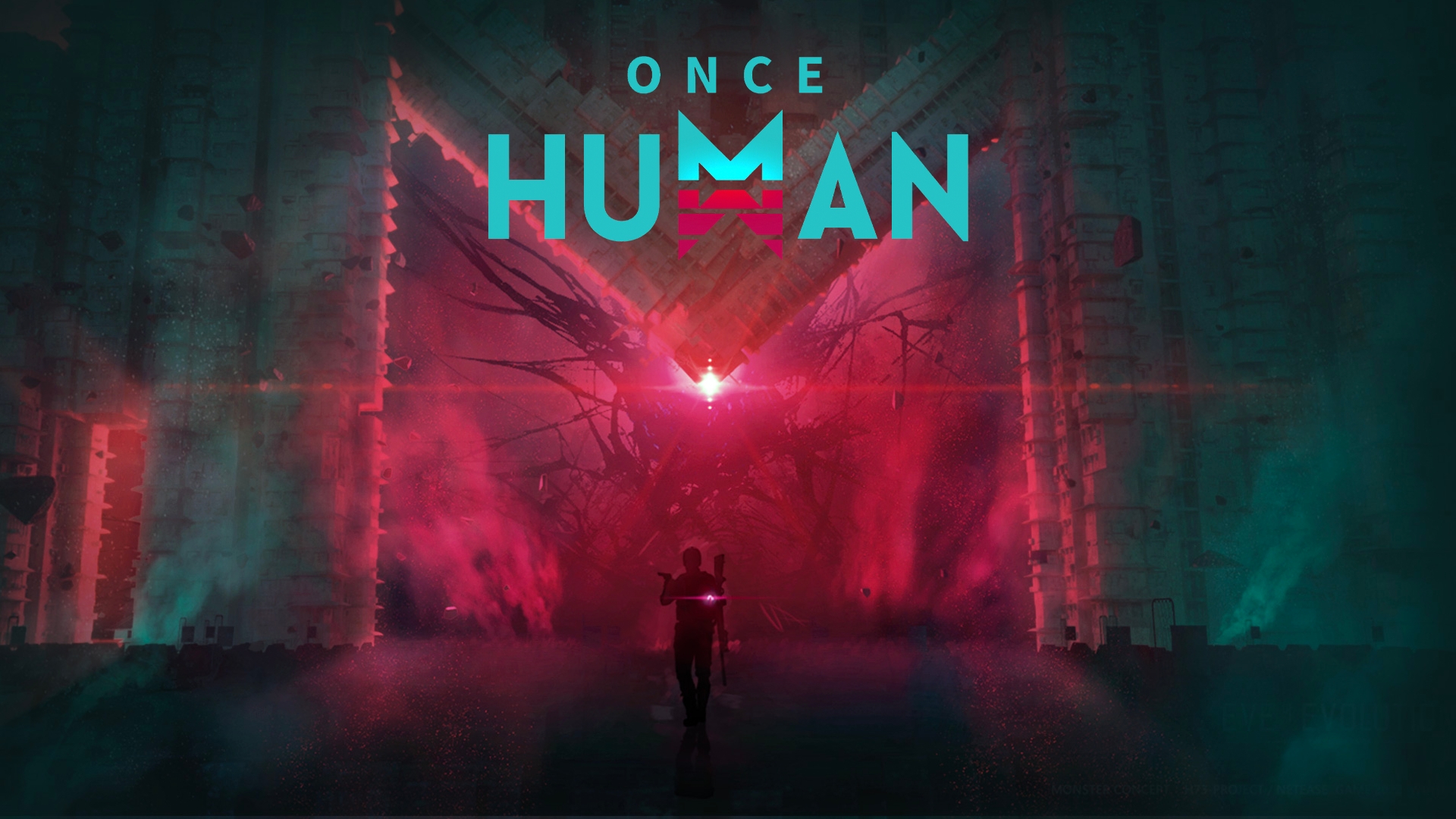
Video games in 2026 are no longer mere entertainment. They are manifestos. Titles like Once Human transcend traditional gameplay, offering players not just challenges, but existential choices. What does it mean to survive? To evolve? To create? These games are not about winning—they are about becoming.
Players are no longer just avatars moving through pre-designed worlds. They are architects. They build, destroy, and rebuild environments in real time. They share these creations across decentralized networks, turning gaming into a collaborative art form. The line between player and creator dissolves. Every session is a performance, every death a lesson, every victory a fleeting triumph in an endless cycle of reinvention.
Chaoticism sees gaming as the ultimate expression of human agency in a controlled world. In a society where algorithms predict behavior, games offer a space of pure unpredictability. They are the last bastion of chaos—a place where players can fail spectacularly, laugh at the absurdity, and start again with a new identity, a new strategy, a new self.
The Aesthetic of the Unfinished: Beauty in Imperfection
In 2026, perfection is obsolete. The aesthetic ideal is no longer the flawless render, the polished photograph, or the seamless interface. Instead, Chaoticism celebrates the unfinished. A painting may be smudged. A song may loop unpredictably. A video may glitch mid-frame, revealing the raw mechanics beneath the surface.
This is not laziness. It is intentionality. The unfinished aesthetic is a rebellion against the tyranny of optimization. It says: I am not a product. I am a process. My art is not complete because I am not complete. Every scratch, every error, every moment of chaos is a testament to life itself.
Designers now embrace controlled entropy—introducing randomness into digital interfaces to keep them alive. A website may reload with different layouts each visit. A poster may change color based on the viewer’s biometrics. The result is an environment that feels organic, unpredictable, and deeply human.
This aesthetic extends to fashion, architecture, and even food. Clothing lines feature garments that fray or shift color over time. Buildings incorporate dynamic facades that respond to weather and mood. Meals are served in stages, with ingredients revealed unpredictably. The goal is not to impress, but to engage—to make the viewer or participant an active participant in the creative act.
The Philosophy of Becoming: Why Chaos is the New Enlightenment
At its core, Chaoticism is a philosophy. It posits that the human experience is not a journey toward a fixed destination, but a perpetual state of becoming. To be human in 2026 is to embrace uncertainty, to dance with the unknown, and to find meaning not in stability, but in the act of creation itself.
This philosophy rejects the idea that life should follow a script. There is no five-year plan that guarantees happiness. No algorithm that can predict fulfillment. Instead, Chaoticism invites us to live in the present—to make decisions not based on data, but on intuition. To trust the gut, the impulse, the moment of chaos that feels right.
It is a radical departure from the Enlightenment’s obsession with reason and order. In its place rises a new enlightenment—one that values emotion, spontaneity, and the beauty of the unplanned. It is not anti-intellectual. It is anti-dogmatic. It says: Let the mind wander. Let the heart lead. Let the soul stumble into the light.
In this world, wisdom is not found in answers, but in questions. Creativity is not a talent, but a practice. And humanity is not a fixed state, but a continuous performance.
The year 2026 is not a prediction. It is an invitation. An invitation to embrace the chaos, to dance with the unknown, and to craft a life that is as unpredictable as it is meaningful. Chaoticism is not a trend. It is a revolution—a quiet, persistent rebellion against the idea that life should be neat, controlled, or predictable.
It is the art of being human when the world itself is being rewritten. And in that rewriting, we find not just survival, but flourishing. We find not just identity, but multiplicity. Not just stories, but endless possibilities.
So step into the glitch. Dance in the data streams. Let your avatar shift with your mood. Rewrite the narrative. Build, destroy, rebuild. Fail spectacularly. Laugh at the absurdity. Start again.
This is not the end of order. It is the beginning of something far more vibrant. This is the art of being human in 2026. This is Chaoticism.


Leave a Comment