

In the swirling vortex of modern existence, “chaoticism” emerges as a compelling visual language, articulating the often-confounding experience of burnout and the arduous journey toward recovery. This language does not speak in monotone — it floods the senses with dynamic imagery, disarray, fragmentation, and ultimately, resurgence. To comprehend chaoticism is to unearth a profound narrative encoded in visuals that portrays psychological tumult and eventual restoration. This exploration delves into how chaos becomes a medium for expressing burnout and the transformative power of recovery, unveiling the multifaceted content readers can expect within this evocative dialogue.
The Anatomy of Chaoticism: Visualizing Burnout
Burnout, a fissure in the psyche caused by overwhelming stress, exhaustion, and disengagement, is rarely a linear narrative. Chaoticism captures this complexity through layered, often abstract visuals that mirror mental fragmentation. Expect depictions marked by tension between order and disorder, blurred boundaries, and disjointed forms. Imagery frequently incorporates stark contrasts—clashing colors, fractured lines, and spiraling motifs—to resonate with the disorientation intrinsic to burnout’s mental landscape.
For instance, chaotic visual compositions often employ a palette oscillating between murky grays and jarring neon hues, symbolizing the fatigue and the anxiety bubbling beneath the surface. This visual cacophony mirrors the psychological noise drowning clarity, offering viewers not just an image but a visceral experience of mental overwhelm. Such pieces provide a unique avenue for empathy, allowing audiences to engage with burnout beyond the abstract and into the realm of felt reality.

Mapping the Journey: Recovery as Visual Redemption
Yet chaoticism is not merely a portrayal of collapse; it also chronicles the spiritual and psychological ascent toward recovery. Visual language shifts subtly here — chaos begins to temper into rhythm, fragmentation coalesces into patterns, and colors transition from discord to harmony. Recovery is depicted as a mosaic rather than a seamless whole, embracing imperfection and the nonlinear nature of healing.
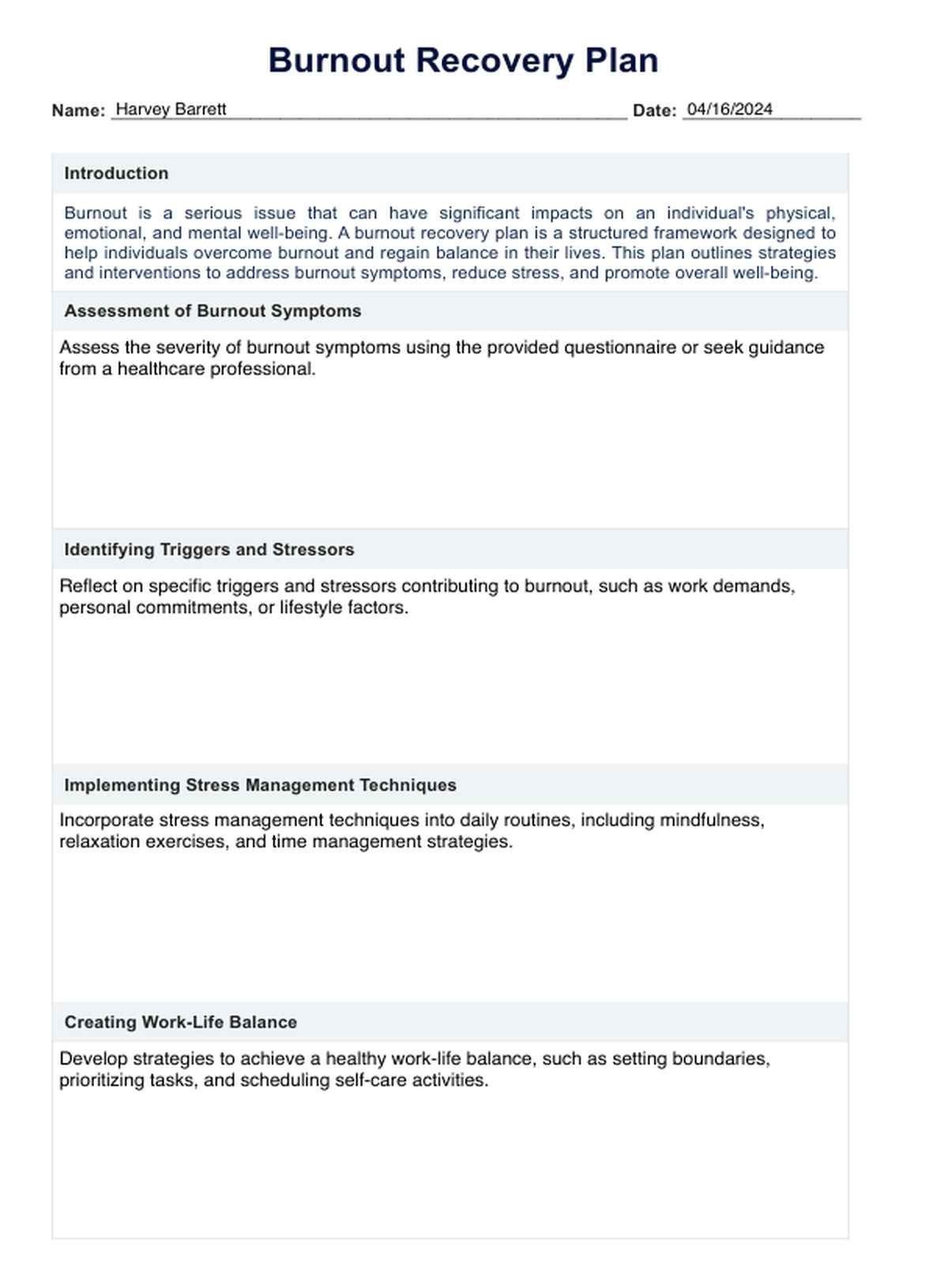
Readers can anticipate content showcasing recovery through schematic maps or illustrated plans, which act as navigational tools across the turbulent terrain of post-burnout life. These visual plans integrate symbols of rejuvenation — burgeoning life, reconnection, calm waves — functioning both as metaphors and practical guides. The visual storytelling underscores that recovery is an iterative dance between vulnerability and resilience, a process rich with setbacks and breakthroughs.
Chaos and Control: The Paradoxical Interaction
Delving deeper, chaoticism reflects the paradox that burnout and recovery inhabit—the simultaneous presence of chaos and the yearning for control. This duality is visually dramatized through juxtapositions: intense disorder counterbalanced by moments of stark simplicity or order. Instead of an attempt to erase chaos, the imagery often embraces it, suggesting that control is reclaimed not through rigidity but through acceptance of internal flux.
Visual content embracing this interplay often juxtaposes frenetic strokes with restrained minimalism. This contrast not only captures the internal conflict but also highlights the emergence of new coping frameworks. Readers might encounter artworks or graphics that utilize layering techniques—chaotic undercurrents overlaid with transparent elements signaling awareness and mindfulness.

Multimodal Content: Beyond Static Imagery
The visual language of chaoticism also expansively incorporates multimodal content that transcends traditional two-dimensional art. Interactive digital maps, animated infographics, and mixed media collages extend the sensory experience. This multifaceted approach encapsulates how burnout disrupts multiple dimensions of life and how recovery is equally complex.
Readers can anticipate engaging with interactive content that allows for navigation through phases of burnout and recovery, mimicking the unpredictability and recursion of real-life experiences. Animated sequences describe emotional fluctuations and cognitive shifts more vividly than static models could, while collage methods harness tangible elements—texts, scribbles, photographic fragments—to evoke authenticity and personal narrative.
The Therapeutic Role of Visual Chaoticism
Finally, chaoticism serves a therapeutic conduit — a visual lexicon offering catharsis and validation. For individuals grappling with burnout, these images and frameworks can externalize what is often inexpressible: the overwhelming internal disarray. The aesthetic representation of chaos transforms confusion into confronting art, catalyzing understanding and self-compassion.
This dimension of content often includes guided visual exercises, sketch prompts, and reflection maps, encouraging active participation in recovery. Visual journaling tools become vital resources, empowering individuals to utilize chaoticism not only as an interpretative medium but as a means to reconstruct their emotional landscapes actively.
Chaoticism as a visual language offers a profound and layered articulation of burnout and recovery. Through a rich palette of dynamic imagery, schematic recovery plans, and interactive multimodal content, it encapsulates the tumultuous yet hopeful human journey through psychological disquietude toward healing. Embracing the paradox of chaos and order, opacity and clarity, this language illuminates the complexity of burnout in a way that words alone often cannot. It invites viewers not just to witness but to inhabit the experience, transforming visual chaos into a map of resilience and renewal.


Leave a Comment