

What if the traditional line between outcome and endeavor blurred so profoundly that the journey itself blossoms into the masterpiece? Imagine a world where chaos interweaves with creativity, transforming the very act of making into the final spectacle. This notion, often dubbed Chaoticism, challenges our deepest assumptions about value, productivity, and meaning. When the process becomes the product, what playful paradoxes arise? And what challenges might this provoke in our pursuit of order amid disorder?
Understanding Chaoticism: From Outcome to Odyssey
To many, the product is the destination—the tangible evidence of effort, skill, and intention. Yet, Chaoticism invites us to embrace the odyssey itself as the artful endgame. It encourages a reorientation: valuing each spontaneous twist, each serendipitous detour, as inseparable components of the final entity. Instead of polishing a crystal-clear gem, this approach celebrates the raw, untamed roughstone in all its rugged glory.
Consider the metaphor of a river’s flow—its meanders, torrents, and eddies in constant flux, forever shaping landscapes. The river is never static; its beauty lies within its movement, its unpredictable journey. Similarly, when a process becomes the product, the alchemy is in the evolving narrative, not in a neatly packaged result.
The Playful Conundrum: Can Disorder Breed Mastery?
At first glance, disorder invites apprehension—afraid it might erode control, consistency, or quality. Yet, here lies the playful question: might chaos harbor its own form of mastery? Can unstructured exploration and spontaneity forge deeper, more authentic creations than meticulously planned endeavors?
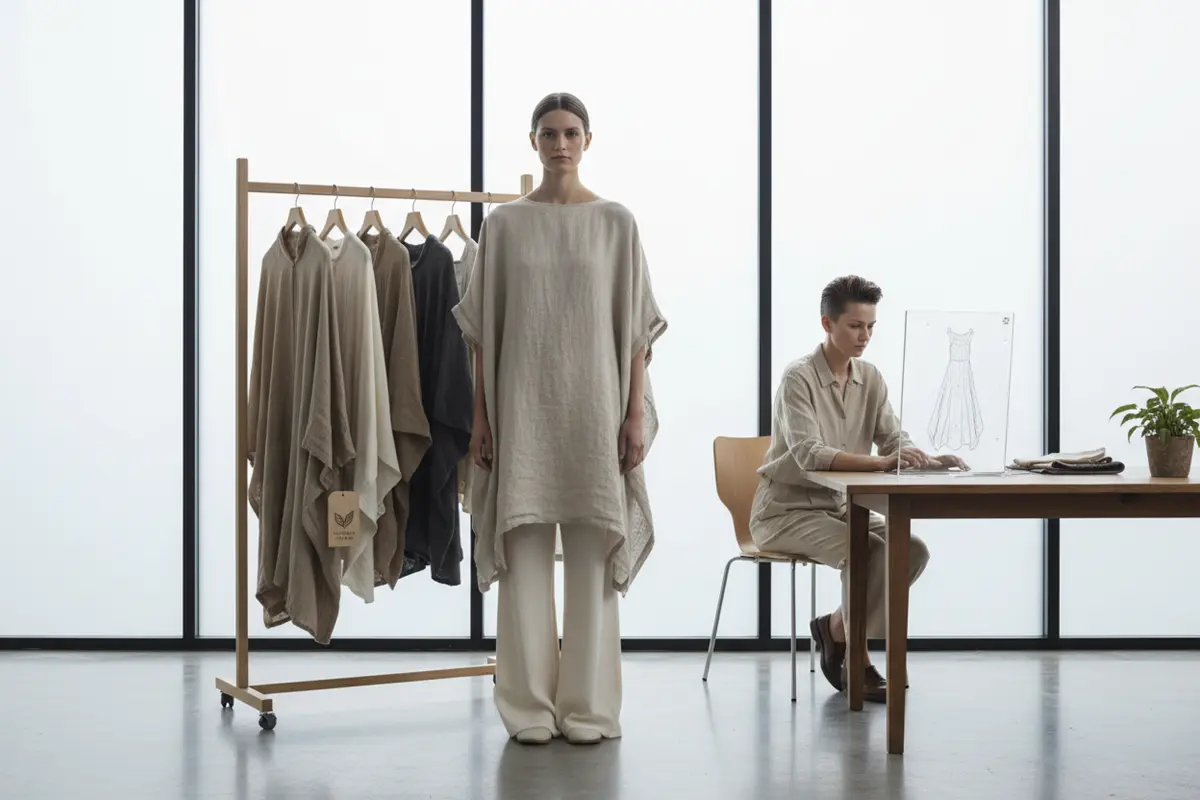
This challenge echoes through various disciplines. In fashion, designers might forgo rigid templates, embracing improvisational techniques that render each piece unique and unpredictable. The identity of the brand becomes entwined with the creative process—a dynamic flux rather than static branding.
Or in scientific communication, where the synthesis of ideas can emerge through nonlinear pathways—where the act of repacking and reshaping knowledge becomes as vital as the knowledge itself. This nimble dance between order and chaos breeds fresh perspectives, encouraging innovation.
The Aesthetic Allure of Process-Oriented Creation
Chaoticism is not just a philosophical stance—it carries an inherent aesthetic allure. When the process reveals itself unapologetically within the product, it invites viewers or participants to witness the raw vitality underlying creation. There is an unvarnished honesty in perceiving brushstrokes on canvas, hearing improvisation in jazz, or feeling the pulse of a live performance.

It fosters a dynamic relationship between creator and audience, where engagement becomes an immersive experience rather than passive consumption. Observers appreciate the imperfections, the fluctuations, the evident labor and discovery woven through every moment.
When Chaos Meets Function: The Practical Paradox
Despite its creative allure, Chaoticism encounters practical hurdles. Industries and markets often demand reproducibility, reliability, and predictability. Can a process-centric product, inherently mutable and unpredictable, satisfy the rigorous demands of consumers, regulators, or stakeholders?
This paradox necessitates innovative frameworks—flexible yet structured environments where chaos is harnessed rather than suppressed. For example, sustainable fashion brands experiment with processes that are organic, adaptive, and evolving, yet still deliver consistent quality and ethical integrity. The brand identity itself is not fixed; it remains vibrant, mirroring the creative process’s ebbs and flows.
Chaoticism and the Philosophy of Value
At its core, the shift toward valuing process over product urges a reexamination of what we consider valuable. Is worth found solely in flawless outcomes? Or can we recognize the intangible worth embedded in growth, struggle, exploration, and serendipity? This philosophical inquiry reframes our relationships with time, effort, and success.
When the product is the process, value becomes multidimensional. It encompasses aesthetic beauty, yes, but also resilience, adaptability, and authenticity. This holistic notion of value resonates profoundly in contemporary culture’s hunger for genuineness and narrative depth.
The Future of Creation: Embracing the Dance of Uncertainty
As technology, society, and artistry evolve, the appetite for chaotic, process-driven engagement only intensifies. Autonomous systems, iterative design, and participatory experiences highlight unpredictability as asset rather than liability. The dance of uncertainty becomes an elegant choreography.
The challenge ahead lies in cultivating environments that nurture this dance—allowing creators to surrender to chaos without losing coherence, inviting audiences to appreciate flux without confusion. This synergy births products and experiences that are not frozen monuments, but living organisms.
In the grander scheme, Chaoticism disrupts conventions and injects vitality, proposing that the boundaries between work and play, control and release, start and finish are more permeable than once imagined. It beckons us to revel in the beautiful unpredictability of creation—where every moment of process is a vibrant fragment of the ultimate masterpiece.


Leave a Comment