

What if the vibrant hues that splash across a canvas were not conjured from synthetic tubes or industrial factories, but instead whispered secrets harvested directly from the earth’s boundless embrace? Foraged pigments—those enchanting colors drawn from nature’s own pantry—pose not just an artistic revival, but a challenging invitation. Can we, as contemporary artists, dare to rediscover and wield the primal palette beneath our feet, reestablishing a visceral bond to the environment through color?
The Resonance of Earthly Hues: A Journey Back to Origins
Long before the era of manufactured paints and digital color palettes, humanity’s earliest artists engaged directly with their surroundings, extracting pigments from soil, rocks, plants, and minerals. These natural pigments tell tales of place and time, echoing the subtle nuances of their landscapes. Foraged pigments, rich in historic resonance, are not mere colors—they are stories, and integrating them into modern artistry reconnects creators to an ancient harmonic rhythm.
Unlike commercially produced paints, which promise consistency and ease, pigments born from the land embody variability. Each batch reflects the season, geography, and ecological conditions, inviting the artist into an intimate dialogue with flux and impermanence. The mood of a forest soil pigment changes with the year’s rainfall; the hue from a mineral shift subtly depending on weathering. This ephemeral quality injects living essence into any artwork fashioned with these pigments.
The Alchemy of Gathering: Harvesting Pigments with Reverence
Yet, this pursuit is not without its trials. The challenge lies in the delicate dance between artisanal sourcing and ecological mindfulness. Foraged pigments must be procured with respect, ensuring that the natural environments remain unscarred. This balance necessitates not only a deft touch in extraction but also heightened ecological awareness.
Gathering pigments is a ritualistic experience. Artists become foragers, tramping through mossy woods, sifting riverbanks for ochres, or collecting petals and roots that yield captivating chromatics. This labor is as much about attuning oneself to nature’s rhythms as it is about physical collection. Each pigment carries a fingerprint of its origin, making the artist part geologist, part botanist, immersed in the earth’s artistry before the brush meets canvas.
Science Meets Sensibility: Preparing Pigments for Artistic Alchemy
Once collected, these raw materials undergo a metamorphosis—powdering, washing, and mixing—to become usable pigments. This process demands a refined sensibility; one misstep could dull the vibrance or skew color fidelity. Grinding minerals against stone, drying petals subtly to conserve chromatic potency, binding powders with natural gums or oils—all are stages imbuing the pigments with character.
Moreover, understanding the chemical makeup of these pigments is crucial. For example, some iron oxides offer resilient reds and rust hues, while plant-derived pigments may possess fugitive qualities, prone to fading under light exposure. This scientific insight equips artists with knowledge to employ the pigments properly while embracing their inherent impermanence as a testament to nature’s transience.
Artistic Expression from the Ground Up: Embracing the Textural and Tonal Diversity
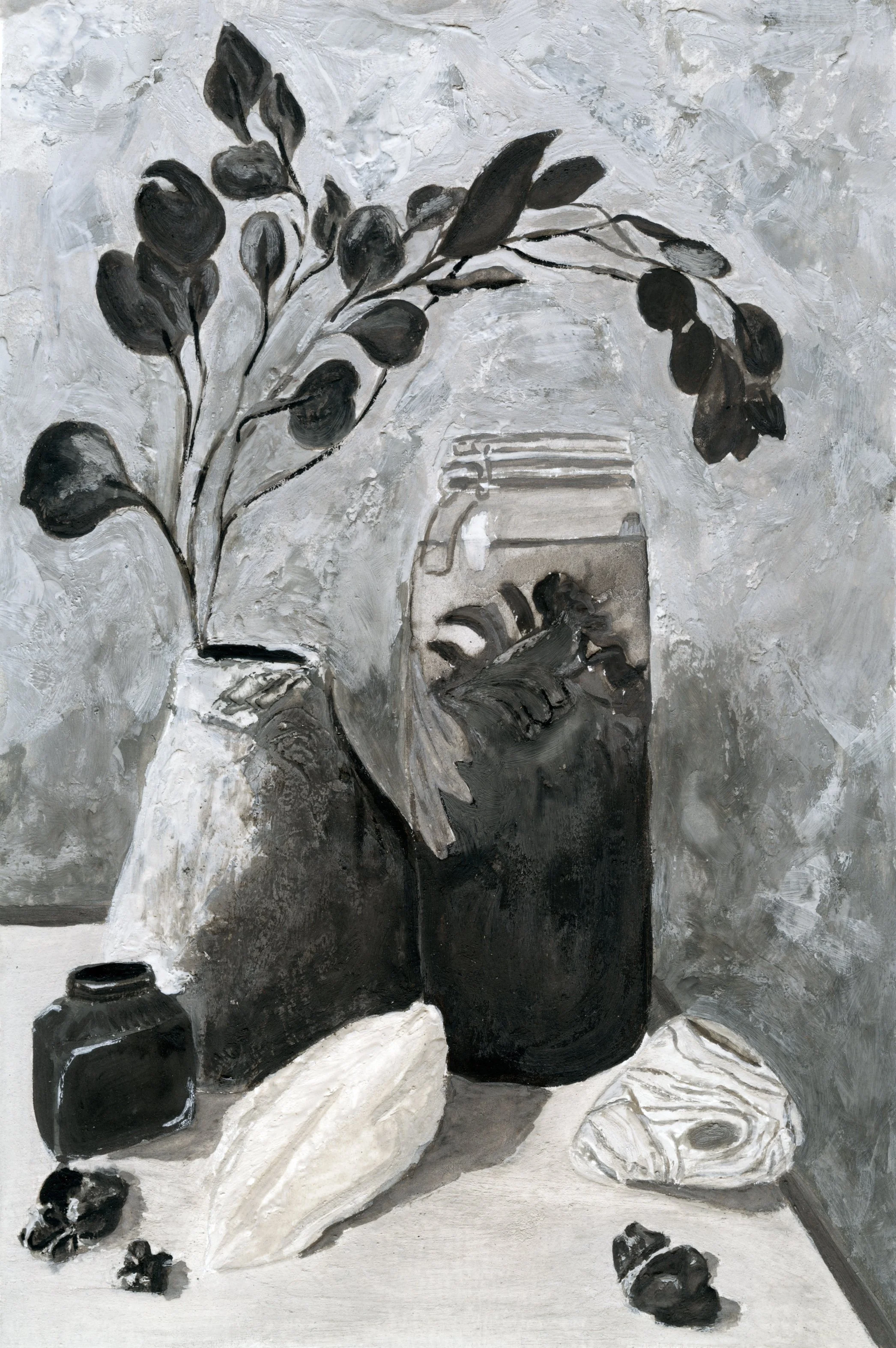
Foraged pigments introduce a tactile depth that commercial paints often sterilize. The grains of crushed stones or the organic remnants of plant matter provide texture and dimension, inviting viewers to not only see color but to feel the earth’s imprint within the artwork. This materiality enriches the creative process, allowing artists to play with irregularities and nuances in new and unpredictable ways.
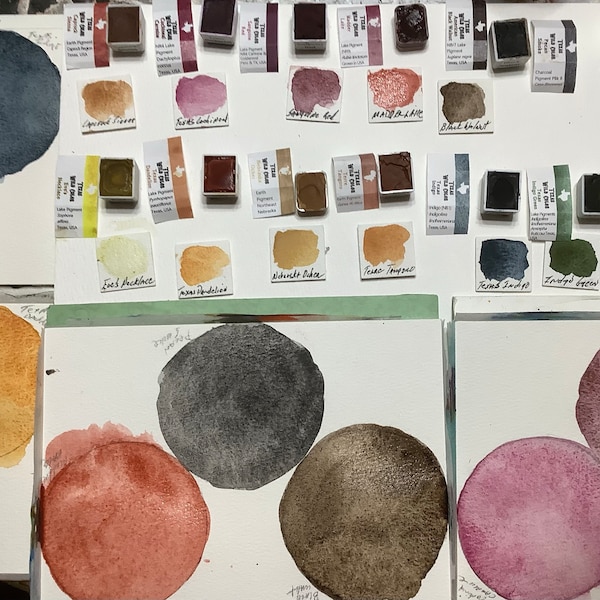
Further, the palette derived from natural sources embraces a spectrum of muted and vibrant tones that defy standardization. Muted ochres, deep umbers, verdant moss greens, and ephemeral floral pinks combine in complex harmony, challenging artists to rethink color theory within the framework of nature’s own designs. This diversity fosters originality, pushing contemporary art beyond the confines of synthetic uniformity.
Challenges and Triumphs: Navigating the Practicalities of Natural Pigments
Despite the romance, foraged pigments demand patience and adaptiveness. Their variability can challenge consistency across artistic works, particularly for commercial projects requiring reproducibility. Moreover, preparation times are longer, and longevity might be uncertain without added stabilizers. These factors can dissuade some artists accustomed to conventional materials.
Yet, these very hurdles also spark innovation. Artists often blend foraged pigments with modern mediums to achieve balance between authenticity and durability. This hybrid approach honors tradition while propelling contemporary practice forward. Ultimately, it provokes a valuable reflection: should art prioritize permanence, or cherish the ephemeral beauty that mirrors nature’s cycles?
A Palette for the Planet: Environmental and Cultural Implications
The resurgence of foraged pigments intersects with growing environmental consciousness and cultural reverence. Utilizing colors harvested sustainably fosters eco-friendly art practices that lessen chemical impact and toxic waste. Furthermore, it encourages rediscovery of indigenous knowledge systems where earth-based pigments held ceremonial and symbolic significance for generations.
By embracing these pigments, artists participate in a broader cultural reclamation and environmental stewardship. Each pigment becomes a node linking artwork to land, culture, and ecology—a tapestry rich with meaning and responsibility. This conscious choice challenges the art world to acknowledge its embeddedness within nature’s economy, transforming creation into an act of conservation.

Ultimately, the journey of foraged pigments beckons us to reconsider what it means to create color. It playfully asks: can we find joy in the unpredictability of earth-harvested hues? Can we accept the challenge of aligning artistry with nature’s impermanence and complexity? The answer unfolds in every brush stroke, each pigment imbued with stories of soil, stone, and stem.
In reclaiming the artist’s palette from the earth, creativity is no longer a sterile alchemy of manufactured substances. Instead, it becomes a spirited conversation with the world beneath us—a vivid, living homage to the colors that have painted human expression since the dawn of time. Embracing foraged pigments, artists not only revive an ancient craft but also root their work in a profound, sustainable legacy that celebrates the earth as both muse and medium.


Leave a Comment