

In the vibrant tapestry of human expression, Arab visual culture stands as a testament to millennia of artistic ingenuity, cultural fusion, and profound symbolism. Its journey from the delicate strokes of calligraphy to the intricate algorithms underpinning modern design is not merely a saga of aesthetic evolution but a breathtaking narrative of cultural resilience and intellectual prowess. As this journey unfolds, it promises to shift our perspective—inviting us to explore an ever-changing landscape where tradition and technology coalesce, beckoning curiosity about what lies on the horizon of Arab creativity.
The Inception: Calligraphy as a Sacred Art
At the heart of Arab visual culture lies calligraphy—a sublime art form revered not just for its beauty but for its spiritual resonance. Rooted in the Arabic script, calligraphy transcended mere communication. It became an obsession with form and flow, a dance of lines and curves that immortalized words from the Quran and poetry alike. The sinuous arabesques and elegant script embodied more than writing; it became a visual symphony that encapsulated faith, identity, and intellectual sophistication.
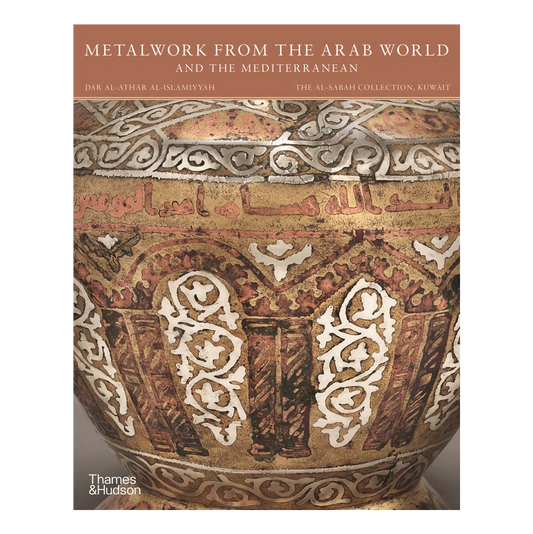
For centuries, calligraphers were revered artisans, their pens a bridge to the divine. The Kufic, Naskh, Thuluth, and Diwani styles emerged, each a unique manifestation of cultural dialogue and aesthetic priorities. Calligraphy adorned mosque walls, manuscripts, and everyday objects, weaving sacredness into the fabric of life. Yet, it wasn’t just religion that shaped this craft—it was the broader cultural embrace of philosophy, poetry, and even science that lent calligraphy its dynamic essence.
Geometric and Floral Patterns: The Language Beyond Words
Parallel to calligraphy, the majestic world of geometric and floral motifs surged forth across the Arab world. These intricate patterns, known as arabesques, articulated a universal language that balanced order and infinity—an artistic metaphor for the cosmos. Bound by mathematical precision yet bursting with vitality, these designs decorated palaces, textiles, ceramics, and manuscripts, transforming everyday surfaces into portals of transcendent beauty.
This visual language was radical in its abstraction, consciously evading figurative depiction to respect religious convictions about idolatry. The result was an astonishing exploration of form, symmetry, and rhythm, where each repeated motif suggested balance and continuity. Together with calligraphy, these elements formed the backbone of an identity that was simultaneously steeped in tradition and breathtakingly innovative.
The Renaissance of Arab Visual Culture: Metalwork and Craftsmanship
Delving deeper into the material culture reveals a renaissance of craftsmanship where visual culture was embodied in precious metals, ceramics, and textiles. Metalwork, in particular, showcased mastery over both form and function—exquisite patterns etched and inlaid on objects that were at once utilitarian and emblematic of social status and cultural values.
Arab artisans were pioneers of techniques such as damascening and filigree, which allowed for minute detailing and lavish ornamentation. These artifacts not only signified aesthetic excellence but also served as cultural artifacts, telling stories of trade routes, cultural exchanges, and political power. The visual lexicon of this era is a compelling reminder that art does not exist in isolation—rather, it is continually refracted through the prisms of history, geography, and human ambition.
Modern Inflection: The Fusion of Tradition and Technology
As the 20th and 21st centuries dawned, Arab visual culture entered a phase of dynamic transformation. The rise of digital media introduced a potent new medium: code. Suddenly, the very strokes of a calligraphic pen found a digital counterpart in algorithms and vector lines. Designers began to interlace the elegance of traditional calligraphy with the limitless possibilities of software, creating works that honor the past while embracing the future.
This techno-artistic hybridism also challenged the conventions that had long characterized Arab art. What was once bound to physical materials and spatial constraints now transcended borders, appearing in virtual galleries, interactive media, and digital typography. This metamorphosis generated fresh dialogues about identity and modernity, compelling artists and audiences alike to reconsider what Arab visual culture means in the information age.
The Global Dialogue: Arab Visual Culture as a Catalyst for Cross-Cultural Exchange
In a world knit ever more tightly by globalization, Arab visual culture functions as a vibrant locus of cross-cultural exchange. Its forms and motifs inspire artists, designers, and technologists globally—and in turn, absorb influences that rejuvenate and complicate traditional narratives. This dialogue challenges reductionist views and celebrates the multiplicity inherent to the Arab world, pushing the boundaries of cultural production beyond geographic and linguistic confines.
Moreover, this ongoing exchange invites speculation and wonder about new frontiers. Could emerging technologies like augmented reality and artificial intelligence engender new modes of Arabic script visualizations? Might future artisans decode calligraphy not only as handwriting but as a generative design language embedded within digital ecosystems? The answers lie in the evolving panorama of creative experimentation that marries ancient heritage with futuristic vision.
Conclusion: From Eternal Scripts to Ever-Evolving Codes
The odyssey of Arab visual culture is an extraordinary chronicle of continuity and transformation. It began with the sacred curves of calligraphy, threading through geometric abstraction, material artistry, and onto the immense possibilities of code and digital design. Each phase illuminates a culture that is not static but constantly in dialogue with its past, present, and future.
What makes this evolution so captivating is its promise of perpetual reinvention—a testament to a civilization’s unyielding devotion to beauty, meaning, and innovation. As we stand on the cusp of new technological frontiers, the enchanting trajectory of Arab visual culture dares us to widen our gaze, deepening curiosity and appreciation for an art form that forever writes itself anew, from calligraphy to code.


Leave a Comment