

In a digital landscape that constantly pushes the boundaries of virtual innovation, a fascinating countercurrent has emerged. The transition from the ephemeral nature of Non-Fungible Tokens (NFTs) back to the tactile and tangible world — what can be termed as the “From NFT to IRL Tiny” movement — captures a profound cultural and artistic evolution. This pivot toward tangibility not only reflects a longing for sensory experience but also underscores the human need to anchor digital creations in the physical realm.
The Allure of NFTs: A Digital Renaissance
Initially, NFTs revolutionized how art, collectibles, and ownership intersected with the blockchain. Digital scarcity, immutability, and provenance offered artists and collectors unprecedented access to a decentralized marketplace. This digital renaissance was nothing short of miraculous: creators unleashed pixel-perfect masterpieces, animated visions, and even musical compositions—pieces that existed purely within the virtual ether.
However, the intangibility of NFTs, while enchanting, sometimes led to a dissonance. Owning an NFT meant possessing something vibrant yet ethereal – a treasure that could not be held, touched, or physically displayed without digital interfaces. This inherent limitation seduced innovation but stirred unease about the permanence of digital culture, especially when technology rapidly evolves and platforms risk obsolescence.

The Resurgence of IRL (In Real Life) Tangibility
The gradual gravitation toward IRL manifestations of digital assets is a cultural renaissance in its own right. Translating NFTs into physical representations — whether miniature sculptures, printed art, or interactive installations — bridges the gap between the digital and the corporeal world. This movement not only addresses the sensory deficit intrinsic to digital ownership but reinvigorates the emotional resonance embedded in tactile experiences.
Each tangible artifact becomes a vessel of story, memory, and identity. It reclaims the artistic tradition that predates the pixel and code, rooting contemporary innovation in the age-old practice of craftsmanship. This synthesis highlights a dichotomy: the instantaneity and limitless replication of digital art versus the singularity and permanence of tiny physical editions.
Deconstructing the “Tiny” Phenomenon
What makes the IRL tiny movement particularly captivating is its focus on miniaturization. Tiny physical forms—small sculptures, diminutive prints, or compact interactive displays—embody a deliberate choice to amplify intimacy and personal connection. These miniature manifestations demand close attention, inviting owners and viewers to engage more thoughtfully than they might with their vast digital interfaces.
This scale reduction yields unexpected benefits. From an artistic perspective, the tiny format encourages bold innovation, as creators must distill their vision into essential elements. For collectors, smaller objects are more accessible, more displayable, and more personal. They resist commoditization on a grand scale, fostering a boutique, intimate culture around ownership and appreciation.
Hybrid Creativity: The Fusion of Digital and Physical Realms
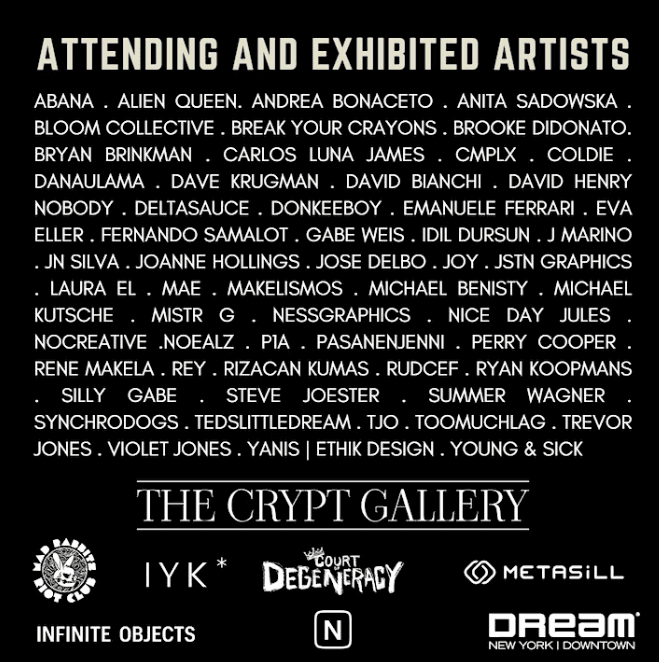
Integral to this shift is the emergence of hybrid experiences that intertwine virtual ownership with physical presence. Galleries dedicated to NFT-inspired art now curate exhibitions where digital creativity is elevated through tangible presentation. Physical pieces paired with augmented reality (AR) or QR codes blur the line between dimensions, granting collectors new ways to experience, share, and engage with their investments.
Such hybridization doesn’t just enhance the artwork’s story—it enriches cultural dialogue. It challenges perceptions about art’s boundaries, redefines interactions, and inspires technological experimentation. The result is a richer tapestry that honors both the impermanence of digital innovation and the permanence of physical craftsmanship.
Economic and Emotional Dimensions of Going IRL
From a market perspective, tangible NFTs or their physical counterparts open new avenues for monetization and value stabilization. Physical artworks, especially those linked to an underlying NFT, provide an additional layer of security and exclusivity. This dual ownership can increase desirability, as collectors perceive a hedge against the volatility of purely digital assets.
Emotionally, owning a physical object evokes stronger sentiments. It connects the collector more intimately to the creator’s narrative and the piece’s history. The tactile engagement transforms ownership from a passive digital ledger entry into a lived experience. This deepens attachment, enriches personal identity, and magnifies the cultural significance of digital art heritage.
Cultural Implications: Meta vs. IRL
As society balances between virtual immersion and embodied presence, the shift back to IRL tiny art mirrors a collective yearning for authenticity. The meta universe promises expansive possibilities—networked communities, virtual escapism, and decentralized economies. Yet, the IRL movement grounds these possibilities in reality, ensuring digital culture remains connected to the human condition.
This balance is crucial. It posits that while Meta may offer endless corridors of exploration, the real world—with its textures, dimensions, and touch—retains irreplaceable value. Embracing the tangible does not reject the digital; instead, it reclaims wholeness in an age prone to fragmentation.
What Readers Can Expect: Discovering A Multidimensional Landscape
Exploring this phenomenon offers a trove of compelling content: deep dives into artist stories who masterfully navigate both digital and physical media; case studies of cutting-edge galleries marrying blockchain technology with physical curation; and analyses of economic trends shaping the collectibles market.
Readers will uncover how emerging technologies like 3D printing and augmented reality forge new paths for creativity and ownership. They will also engage with philosophical reflections on permanence, value, and human connection amid rapid digitization.
Moreover, expect vibrant visual narratives featuring stunning images of tiny IRL artifacts inspired by NFTs, immersive gallery experiences that highlight the tactile resurgence, and interviews with pioneers fostering this shift. It’s a multidimensional journey into how art, technology, and culture coalesce to redefine experience and meaning.
Ultimately, the transition from NFT to IRL tiny isn’t merely a trend—it’s a cultural reckoning. It invites artists, collectors, and enthusiasts alike to reconsider value beyond pixels and code, embracing the irreplaceable magic of the tangible world. This renaissance celebrates a future where digital brilliance and physical beauty harmoniously coexist, enriching our lives with multisensory wonder and profound connection.


Leave a Comment