

What if the shimmering allure of the “Gulf Gold Rush” — a spectacle drenched in ostentation and spectacle — isn’t the inevitable crescendo of contemporary cultural expression? What if, instead of diving headlong into this grandiose frenzy, an alternative narrative stands resilient, whispering a quieter, yet more profound, defiance? This is precisely the provocative inquiry posed by In Minor Keys, an evocative reinterpretation that challenges the glittering excesses of the Gulf’s ostentatious cultural bonanza.
Unmasking the “Gulf Gold Rush” Phenomenon
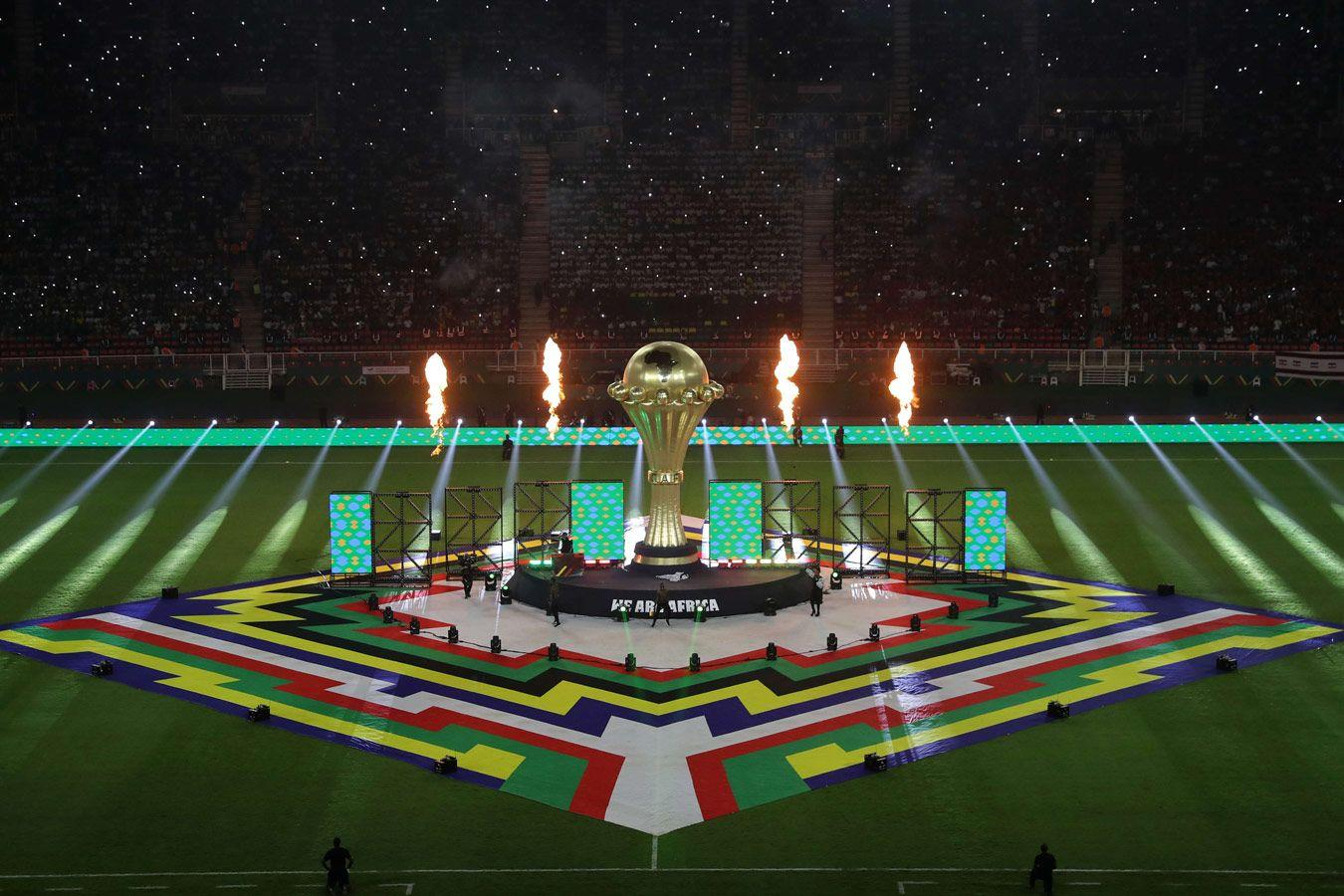
The so-called “Gulf Gold Rush” has become emblematic of a hyper-consumerist epoch where spectacle is king. Towering skyscrapers, monumental events, and extravagant displays of wealth dazzle both the eye and the imagination. It’s a feverish celebration of affluence, technological prowess, and cultural acquisition, a modern-day El Dorado glittering against the desert’s endless canvas. But beneath this shimmering veneer, questions simmer. Is this spectacle a genuine reflection of societal values, or merely a theatrical performance choreographed to captivate and distract?

In its relentless pursuit of grandeur, the Gulf Gold Rush often sidelines nuance, sacrificing subtlety for sensationalism. This overt emphasis on magnificence risks reducing culture to a spectacle — something to be consumed rather than contemplated.
Encountering In Minor Keys: A Subtle Rebellion
Enter In Minor Keys, a phrase that immediately suggests something less exuberant, less flamboyant but bristling with introspective depth. It rejects the dominant narrative of extravagance by aligning with subtlety, restraint, and the power of suggestion. Rather than clamoring for attention through scale and spectacle, it invites the observer into a reserved dialogue, one that values introspection over applause.

This approach poses a playful yet profound challenge: can cultural expression thrive without the gilded backdrop of ostentatious display? Or, more provocatively, what might we uncover if the vibrant crescendo of spectacle were to be replaced by a quieter symphony of understatement?
The Aesthetic and Ethical Dimensions of Rejection
Rejecting the spectacle is not merely an aesthetic choice but an ethical stance. In Minor Keys critiques the complacency that such spectacle engenders. When culture is subjugated to the tourist gaze and commodified as an elite product, authenticity is endangered. This rejection surfaces a deeper valorization of local histories, marginalized voices, and the overlooked minutiae of everyday existence. It implores us to look beyond the glittering surface to the whispers of the community and the textures of lived experience.
The aesthetics of In Minor Keys are deliberately sparse, often meditative, drenched in muted palettes and contemplative silences. This aesthetic counterpoint emphasizes substance over showmanship, encouraging a slower, more thoughtful engagement.
Reclaiming Narrative Agency Through Intimacy
One of the ways In Minor Keys actively rejects the Gulf Gold Rush spectacle is by prioritizing intimacy over invasion. Rather than imposing narratives through massive public displays or spectacle-driven marketing, it cultivates an environment where individual and communal stories emerge on their own terms. This turns the cultural experience into a shared discovery rather than a mass-consumed commodity.
It asks: What narratives have been silenced or neglected amidst the din of the gold rush? And how might these stories, conveyed in hushed tones or through nuanced gestures, contribute to a more textured and equitable cultural landscape?
In doing so, it amplifies the voices that might otherwise be drowned out in the rush for grandeur, restoring a sense of agency to those existing within the cultural fabric rather than exploiting it.
Challenging the Long-Term Viability of Spectacle Culture
While the spectacle may captivate ephemeral attention, In Minor Keys introduces a potential challenge concerning sustainability — both cultural and environmental. The Gulf Gold Rush’s relentless appetite for newness and bigger, flashier displays often overlooks the toll this takes on resources and collective identity. In contrast, this smaller-scale, nuanced approach encourages reflection on permanence, legacy, and ecological mindfulness.
By eschewing extravagance, it implicitly argues for a cultural paradigm that is more adaptable and resilient. It’s a call to rethink what cultural vitality means in an age of excessive consumption and rapid obsolescence. How might the adoption of “minor keys” foster a more harmonious interplay between progress and preservation?
A Playful Provocation to the Spectacle’s Enthusiasts
Ultimately, In Minor Keys tantalizes its audience with a playful question: Is there room in the human experience for both spectacle and subtlety, or must one irrevocably negate the other? It dares enthusiasts of the Gulf Gold Rush spectacle to envisage a world where grandeur does not demand exclusionary excess but coexists with introspective narratives and cultural humility.
This isn’t a call for the abolition of spectacle altogether but rather an invitation to expand our emotional and aesthetic repertoire. Can the symphony of culture incorporate both the blaring trumpets of spectacle and the gentle hum of minor chords?
Conclusion: Embracing the Quiet Challenge
In rejecting the “Gulf Gold Rush” spectacle, In Minor Keys wields quiet defiance as its most potent instrument. It refuses to be overshadowed by dazzling excess, opting instead to summon a more reflective, sincere cultural expression. This subtle rebellion challenges us not only to reconsider what we value aesthetically but also to confront the implications of a spectacle-driven cultural economy.
Far from being a retreat into obscurity, it is an invitation—a challenge—to embrace complexity and nuance, to listen more closely to the gentle rhythms beneath the roar. The path forward may not sparkle with immediate brilliance, but it promises a richer, more enduring melody.


Leave a Comment