

Imagine a world where the very ground beneath our feet breathes life into the art that surrounds us. A world where sculptures don’t just occupy space but actively interact with their environment, biodegrading gracefully or transforming ecosystems. This is not the realm of mere fantasy; it is the remarkable promise heralded by mycelium bricks. These extraordinary building blocks, born from the delicate yet complex root systems of fungi, are poised to revolutionize sculpture and reshape the boundaries of artistic creation. They beckon a shift in how we perceive art, nature, and the future of sustainable design.
The Alchemy of Mycelium: Where Nature Meets Innovation
Mycelium, often overshadowed by the mushrooms it spawns, is a vast network of thread-like structures called hyphae. This natural web acts as the Earth’s original recycler, decomposing organic matter and weaving nutrients back into the soil. Harnessing this living material to craft bricks ignites an alchemical process where biology and technology coalesce. Mycelium bricks are grown rather than manufactured, cultivated in molds where the mycelial threads bind agricultural byproducts into rigid, sculptural forms.
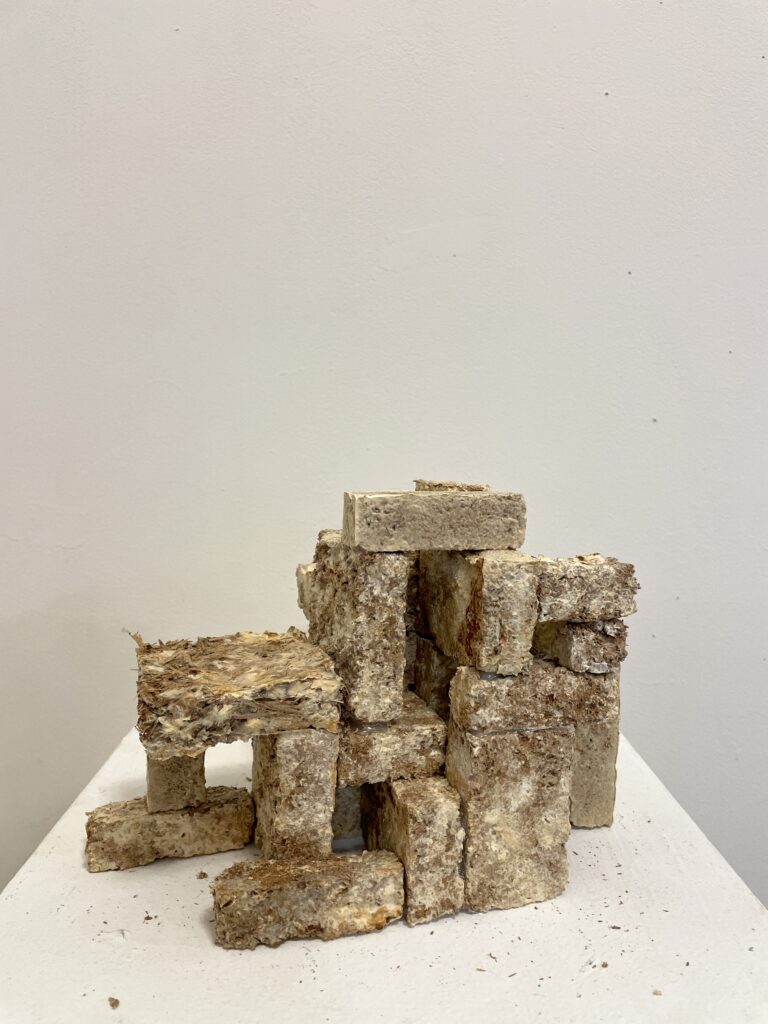
What emerges is a material that is lightweight yet robust, biodegradable yet durable, and utterly immersive in texture and character. Its use in sculpture recasts the artisanal discipline, framing the artist not just as a creator, but as a collaborator with living organisms.
Sculptural Possibilities: Beyond Traditional Materials
Conventional sculptural media—stone, metal, wood—often demand considerable environmental and economic costs. Mycelium bricks flip this paradigm on its head. Sculptors can now explore modular, 3D-printed building blocks that are sustainable and versatile. The inherent ecological qualities of mycelium encourage artists to rethink permanence and transformation. Unlike inert stone or cast bronze, mycelium sculptures embody ephemerality, their forms continuing a dynamic dialogue with the environment.
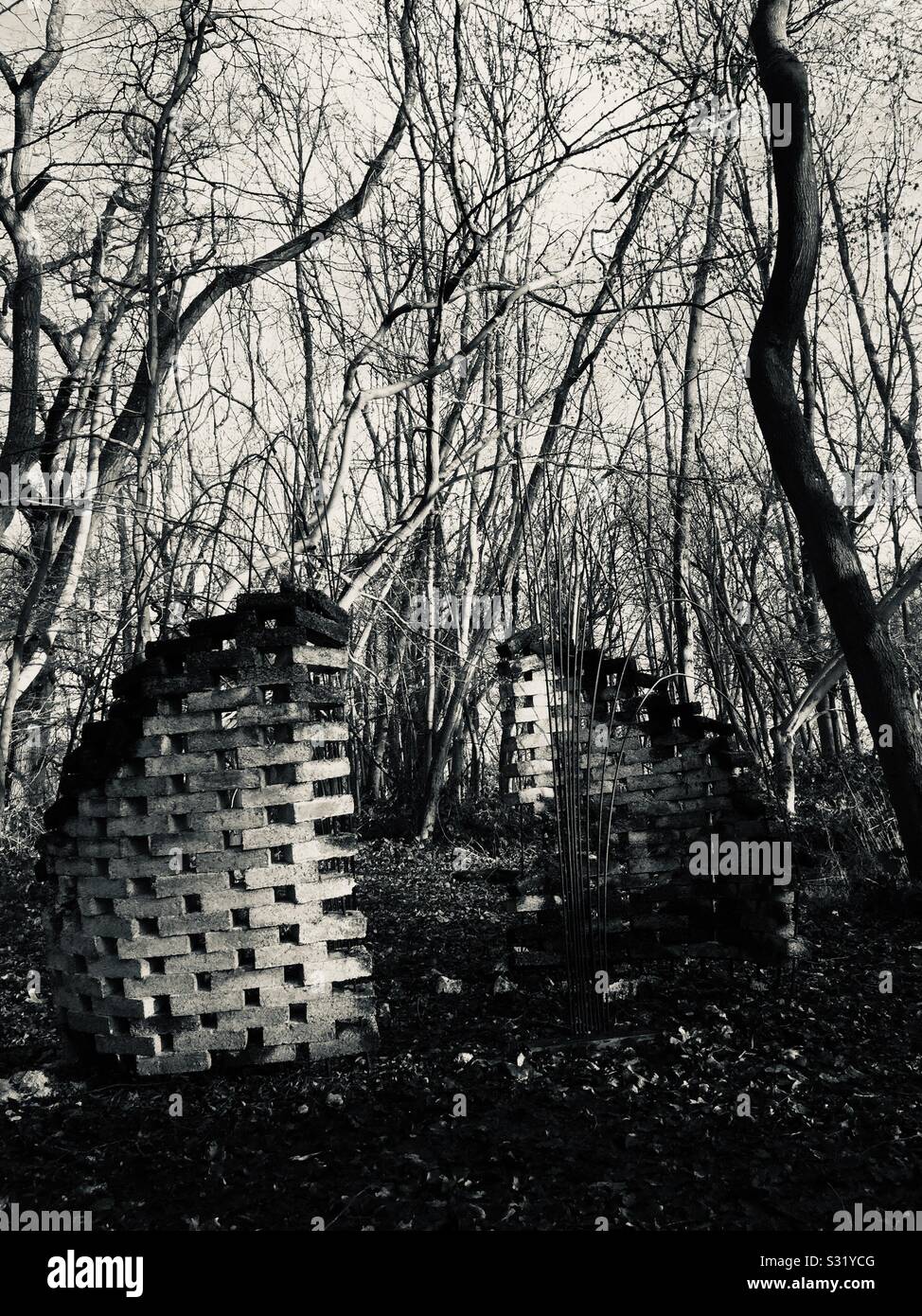
This allows creators to push boundaries: imagine colossal installations in forested areas that gradually feed back into nature; or urban art pieces that purify air and soil while evoking wonder. The tactile richness and organic aesthetics of mycelium add an evocative dimension, drawing viewers closer to the narrative of growth and decay inherent in the artwork.
Mycelium and Architecture: Toward Modular Expression
Advances are not confined to sculpture alone. Architecture firms are pioneering the use of mycelium in 3D-printed modular blocks, revolutionizing how structure and medium harmonize. These mycelium bricks interlock with precision, forming the skeleton of buildings while maintaining environmental sensitivity. For sculptors, this heralds a new era—one where sculpture and architecture blur, creating inhabitable artworks or monumental constructs that breathe with life.
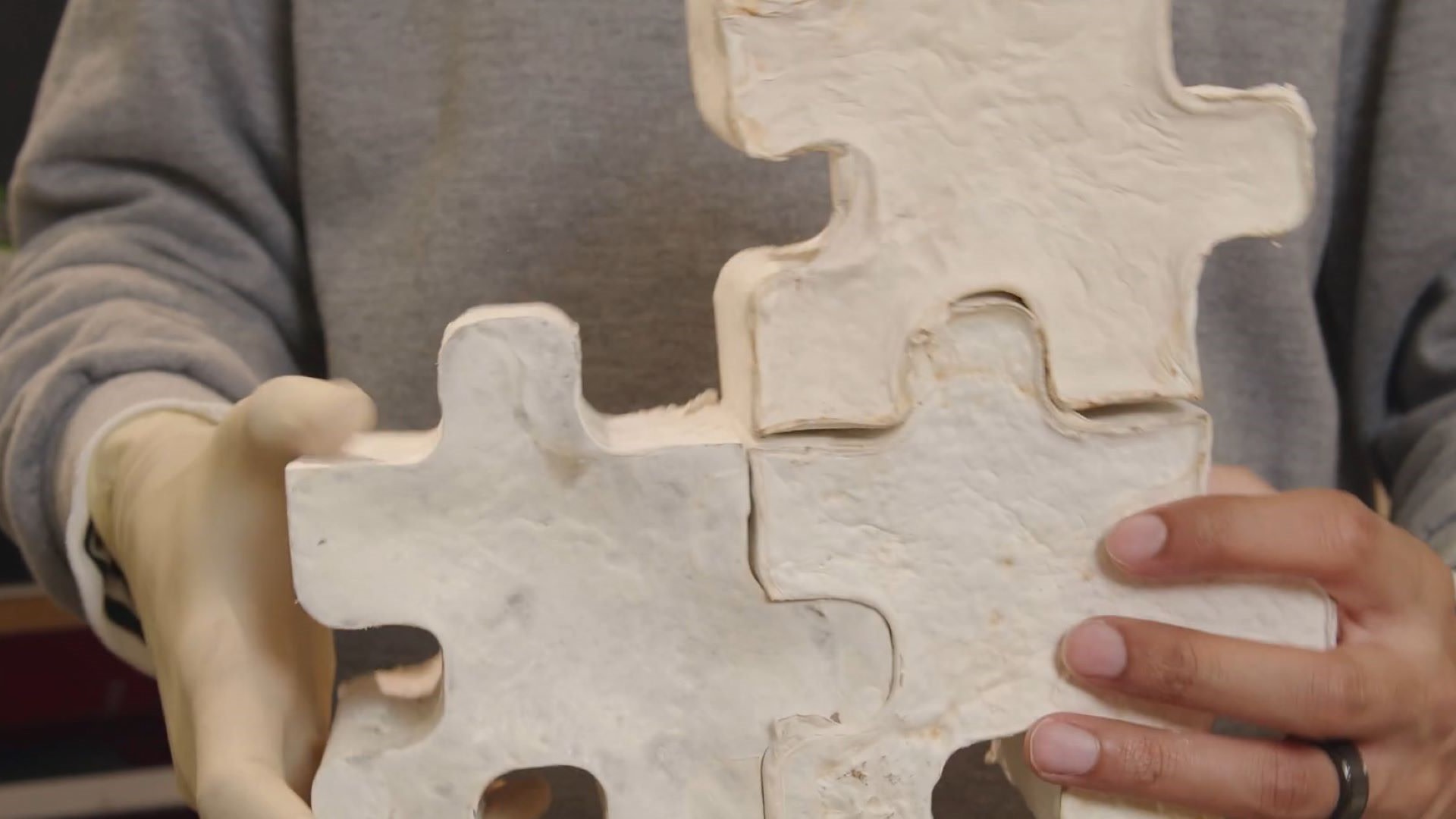
The shift promises a metamorphosis not only in artistic expression but also in construction sustainability, urban design, and ecological responsibility. Imagine galleries and public spaces transformed by structures that reduce carbon footprints, combat waste, and embody resilience. Mycelium’s low-energy cultivation and its biodegradable nature challenge the art world to embrace impermanence as a facet of design rather than a limitation.
A Paradigm Shift: Reimagining Permanence and Decay
Embedded in the mycelium aesthetic is a profound philosophical contemplation of time and existence. How do we define value if art is designed to eventually return to the earth? Mycelium invites a paradigm shift: aesthetic worth is no longer anchored to eternal permanence but to cycles of life, decay, and renewal. Artwork ceases to be static; instead, it inhabits a lifecycle, co-evolving with its surroundings.
Such notions nudge artists and audiences alike into reconsidering their relationship with their environment. Instead of dominating or preserving nature as backdrop, we engage in a symbiotic relationship, creating sculptures that foster biodiversity, enrich habitats, or serve as ecological interventions. This curiosity-driven evolution can spark a renaissance where art inspires sustainability, empathy, and holistic thinking.
Challenges and Potentials on the Horizon
Despite its promises, mycelium sculpture faces hurdles. Longevity under varying climates, scalability of production, and standardization of material properties challenge widespread adoption. Yet, these obstacles pale in comparison to its untapped potential.
Technological advances in biofabrication and 3D printing continue to accelerate the refinement of mycelium bricks. Artists and environmentalists forge collaborative solutions, jointly expanding the realms of what is possible. As techniques evolve, so too does the ability to create ever more ambitious and intricate works—pieces that speak volumes about resilience and harmony in a world grappling with climate change.
The Future Carved from the Earth’s Hidden Threads
The narrative threaded through mycelium bricks is one of convergence: art, ecology, technology, and philosophy intricately interwoven into every strand. Sculptures composed of this biomaterial promise not only to beautify spaces but to transform perceptions, encouraging us to envision a future where creation is regenerative, mindful, and deeply rooted in the biosphere.
The future sculpture built from mycelium is not just a shape or form but a living conversation—fluid, evolving, and intimately connected to the Earth’s pulse. As this medium grows in prominence, it beckons us all to become participants in an extraordinary chapter of artistic evolution, one that nurtures curiosity and fosters a profound respect for the natural world encapsulated within each mycelial brick.


Leave a Comment