

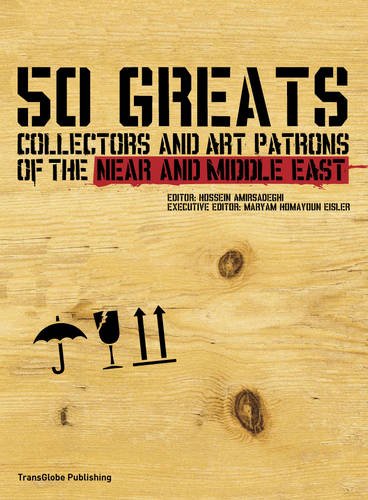
Art patronage—it’s a concept that conjures images of wealthy connoisseurs bestowing favor upon artists, fueling the creation of timeless masterpieces. Traditionally, this model has been synonymous with European Renaissance courts or elite Western collectors. Yet, intriguingly, the Middle East today is not only participating in the global dialogue surrounding art patronage but reshaping its very foundations. This dynamic cultural landscape offers a narrative that defies conventions, challenging assumptions and hinting at a profound confluence of history, power, identity, and modernity. Why is there such an intense fascination with art patronage here? Because it reveals more than mere aesthetic patronage—it is a mirror reflecting societal transformations and an engine propelling new artistic vocabularies.
The Historic Canvas: Legacy of Patronage in the Middle East
To understand the contemporary reinvention of patronage, one must first walk the corridors of time. The Middle East, for centuries, was a crucible of artistic innovation supported by vibrant systems of patronage rooted in religious, political, and social structures. From the splendor of Islamic calligraphy commissioned by courts, to the intricate crafts adorned on architectural marvels, patronage has long been intertwined with expressions of power and piety.
Unlike the Western narrative frequently centered on individual artists and collectors, Middle Eastern patronage traditionally embraced multifaceted social contractions. It often reflected communal aspirations, spiritual depth, and dynastic prestige simultaneously. The tension between preserving artistic heritage and embracing emerging styles is woven tightly into this historical fabric.

Modernization Meets Tradition: A Complex Intersection
The modern Middle East finds itself in a fascinating dance between antiquity and innovation. With the advent of globalization and economic shifts fueled by oil wealth and technological advancements, new forms of patronage have emerged that diverge significantly from historical precedent. Private collectors, state-backed museums, and burgeoning art fairs have become actors on a burgeoning stage, redefining not only what art is but how it is valued and supported.
This collision of tradition and modernity fosters a nuanced dialogue. Institutions champion the revival of classical motifs, while simultaneously pushing the envelope toward avant-garde and conceptual arts. Such duality challenges the monolithic perceptions outsiders often hold, revealing a kaleidoscope of cultural priorities and innovative mechanisms that support artists in myriad ways.

Patronage as a Tool of Social Mobility and Cultural Assertion
Perhaps the most captivating—and underappreciated—element of Middle Eastern patronage is its role in social mobility and identity construction. Beyond mere sponsorship, it operates as a platform for negotiating status, expressing sociopolitical ideals, and affirming cultural narratives. Patronage extends its reach far beyond single artists; it supports entire communities and movements, becoming a vehicle for social ascent.
Within this framework, poetry, calligraphy, and contemporary visual arts intersect as mediums through which patrons communicate power, prestige, or dissent. The art born out of such patronage is charged with resonances—historical, political, and personal—transforming it into a compelling barometer of evolving cultural identity.
Economic Dynamics and the Expansion of New Markets
The economic dimension cannot be overstated. New wealth sources in Gulf countries, combined with deliberate state policies designed to position cities like Dubai, Abu Dhabi, and Doha as epicenters of global art commerce, have dramatically altered patronage’s terrain. These efforts include establishing museums, art funds, and educational initiatives, creating ecosystems that foster artistic production and facilitate international exchange.
Such developments engender a dynamic marketplace where artists gain unprecedented visibility and resources. Yet, they also provoke questions about commercialization, cultural authenticity, and the sustainability of patronage models based on market fluctuations. The Middle East’s art patronage landscape is increasingly defined by this delicate balance between commodification and cultural stewardship.
Technology and Digital Patronage: Forging New Pathways
Intriguingly, the Middle East is also at the forefront of integrating technology into patronage. Digital platforms, NFTs, and virtual exhibitions are not merely novelties but are becoming deeply embedded in artists’ and patrons’ repertoires. These tools dismantle geographic and traditional access barriers, democratizing art patronage in revolutionary ways.
This shift invites a broader audience to engage with Middle Eastern art and fosters a participatory environment. It challenges the exclusivity once inherent in patronage systems, hinting at a future where support structures are more dispersed and artist-driven.
Conclusion: The Middle East as an Art Patronage Vanguard
The Middle East, with its rich amalgamation of history and forward-looking innovation, is writing a new chapter in the story of art patronage. Far from being a mere echo of Western models, its approach is layered with complexity, ambition, and cultural specificity. Whether through the interweaving of age-old traditions with cutting-edge technologies or the strategic role of patronage in social mobility, this region is redefining what it means to support the arts.
In tracing these transformations, it becomes clear why the world watches with avid curiosity and respect. The Middle East’s evolving patronage system does more than fund art—it animates a dialogue about identity, power, and creativity in the modern world. This profound reconfiguration continues to captivate and inspire, proving that art patronage is alive, vibrant, and, above all, transformative.


Leave a Comment