

Have you ever stood in a gallery, gazing at a masterpiece, and wondered: Could this be mine? Not just a fleeting glance, but a piece that whispers to you, that becomes a part of your life’s narrative? What if I told you that building a restorative art collection—one that revives your space, your spirit, and even your sense of self—could be within reach, even on a budget of under $10,000? The challenge isn’t the price tag; it’s knowing where to begin, how to curate with intention, and where to uncover hidden gems that won’t break the bank. Let’s embark on this journey together, where every piece tells a story, and every dollar is an investment in beauty that lasts.

The Alchemy of Restorative Art: Why Your Space Needs It
Art isn’t just decoration; it’s a catalyst for transformation. A restorative art collection does more than adorn walls—it rejuvenates your environment, evoking emotions, sparking conversations, and even healing the soul. Imagine walking into a room where each piece feels like a chapter from a novel you’ve always wanted to read. The right artwork can soften harsh lines, amplify natural light, and infuse a space with personality. But how do you curate such a collection without drowning in debt or settling for mediocrity?
The key lies in understanding the restorative power of art. Studies suggest that art can reduce stress, enhance creativity, and even improve cognitive function. A 2020 study published in the Journal of Positive Psychology found that engaging with art triggers the release of dopamine, the brain’s “feel-good” chemical. So, why not surround yourself with pieces that do more than just look pretty? A restorative collection is one that aligns with your values, stirs your imagination, and, above all, feels like an extension of yourself.
Setting the Stage: Define Your Artistic North Star
Before diving into auctions or scrolling through endless online galleries, pause and ask yourself: What story do I want my collection to tell? This isn’t just about aesthetics; it’s about creating a visual narrative that resonates with your life’s journey. Are you drawn to bold, contemporary statements that challenge convention? Or do you prefer the quiet elegance of vintage landscapes that whisper tales of bygone eras?
Start by defining your artistic compass. Consider the mood you want to cultivate in your space. A minimalist might gravitate toward monochrome abstracts, while a maximalist could be captivated by a gallery wall of eclectic prints. Think about the emotions you want to evoke—serenity, energy, nostalgia, or perhaps a sense of wanderlust. Your collection should feel like a curated extension of your personality, not a haphazard assortment of random pieces.
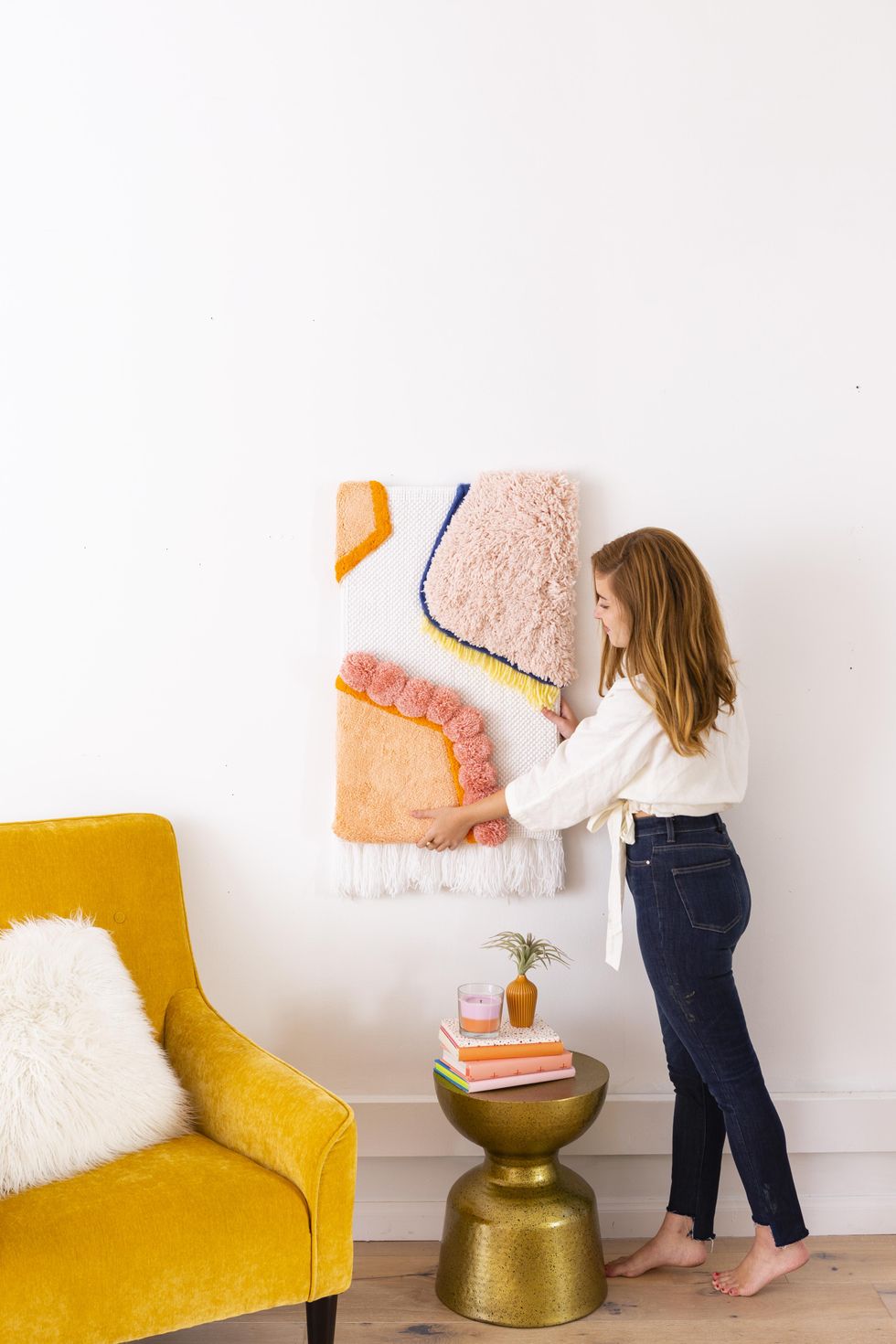
The Hunt Begins: Where to Find Gems Without the Gimmicks
Now that you’ve defined your artistic vision, where do you find pieces that align with your budget and your soul? The art world is vast, but not all paths lead to affordable treasures. Here’s where to look:
- Local Art Fairs and Markets: These are goldmines for discovering emerging artists and one-of-a-kind pieces. The beauty of art fairs lies in the direct interaction with creators—you can often negotiate prices or even commission custom work. Plus, supporting local artists ensures your collection is as unique as your fingerprint.
- Online Galleries and Marketplaces: Platforms like Etsy, Saatchi Art, and Artsy offer a curated selection of affordable art. Look for sellers with high ratings and transparent pricing. Don’t shy away from smaller galleries that specialize in emerging talent; they often have pieces priced well below $1,000.
- Thrift Stores and Estate Sales: You’d be surprised by the hidden gems tucked away in dusty corners. Vintage posters, old postcards, and even damaged paintings can be restored or repurposed into something extraordinary. The thrill of the hunt is part of the adventure!
- Art Schools and Student Shows: Emerging artists are often eager to sell their work at a fraction of its future value. Student exhibitions are a fantastic way to find raw, innovative pieces that haven’t yet been discovered by the masses.
Pro tip: Always ask about the provenance of a piece. A well-documented artwork—even a modest one—can appreciate in value over time, making it a smarter investment than a trendy but forgettable print.
Restoration on a Budget: Bringing Old Treasures Back to Life
What if the piece you’ve fallen in love with is slightly damaged, faded, or in need of a little TLC? Fear not—restoration doesn’t have to be a costly endeavor. With a bit of know-how and the right tools, you can revive a piece to its former glory, or even give it a modern twist.
For minor touch-ups, consider these DIY methods:
- Cleaning: Dust and grime can dull a painting’s vibrancy. Use a soft brush or a microfiber cloth to gently remove surface dirt. For deeper cleaning, a mixture of mild soap and distilled water can work wonders—just avoid harsh chemicals that might damage the paint.
- Framing: A well-chosen frame can elevate a piece from mediocre to magnificent. Opt for archival-quality materials to protect the artwork from light and humidity damage.
- Inpainting: If a painting has small chips or scratches, a skilled artist can carefully retouch the damaged areas using reversible paints. This process requires patience and precision but can save a piece from obscurity.
For more significant restoration, seek out professional conservators who specialize in your piece’s medium. While it might seem like an added expense, a properly restored artwork can last generations, making it a worthwhile investment.

Balancing Act: Mixing High and Low to Build a Cohesive Collection
Building a restorative art collection isn’t about spending the most money—it’s about spending it wisely. The secret to a collection that feels luxurious yet attainable lies in the art of strategic layering. Think of it like composing a symphony: you need both the soaring crescendos and the subtle harmonies to create a masterpiece.
Here’s how to strike the perfect balance:
- Anchor Pieces: Invest in a few high-quality, statement pieces that define the tone of your collection. These could be a striking painting, a sculptural centerpiece, or a large-scale photograph. Allocate a significant portion of your budget here—think $2,000 to $5,000 for each anchor piece.
- Supporting Cast: Fill in the gaps with smaller, more affordable works that complement your anchors. These could be prints, sketches, or mixed-media pieces. Aim to spend $200 to $800 per piece.
- Eclectic Accents: Don’t be afraid to mix styles, eras, and mediums. A contemporary abstract next to a vintage botanical print can create a dynamic dialogue in your space. The key is to maintain a cohesive color palette or theme to tie everything together.
Remember, a collection is a living entity—it should evolve with you. Don’t be afraid to revisit your choices, swap out pieces, or add new ones as your tastes and life circumstances change.
The Long Game: Preserving Your Collection for Generations
Your art collection isn’t just a reflection of who you are today; it’s a legacy for the future. To ensure your pieces stand the test of time, proper care and preservation are essential.
Start with the basics:
- Lighting: Avoid direct sunlight, which can cause fading. Opt for LED bulbs with a low UV output, and consider using dimmers to control light intensity.
- Climate Control: Fluctuations in temperature and humidity can damage art. Aim for a stable environment—ideally between 65-75°F (18-24°C) and 40-50% humidity.
- Handling: Always handle art with clean, dry hands, and consider wearing gloves for delicate pieces. When moving art, use proper packing materials to prevent damage.
For high-value pieces, consider investing in art insurance. Many homeowner’s policies offer coverage for artwork, or you can explore specialized art insurance providers. Document your collection with photographs and appraisals to streamline the claims process in case of loss or damage.
The Grand Finale: Your Collection, Your Legacy
As you stand back and admire your newly curated restorative art collection, take a moment to reflect on the journey. You’ve transformed empty walls into a sanctuary of beauty, a testament to your taste, your values, and your vision. Each piece tells a story—a story of discovery, of patience, and of the joy that comes from surrounding yourself with things you love.
But the adventure doesn’t end here. Art is meant to be lived with, to be experienced, and to inspire. Let your collection evolve with you, adding new chapters to its narrative as your life unfolds. And who knows? In a decade, your carefully curated pieces might just become the cherished heirlooms of the next generation.
So, what’s the first piece you’ll bring home? The canvas that will become the heart of your collection? The hunt begins now—happy collecting!


Leave a Comment