

Have you ever pondered, “What if my shelves could tell a story, dream out loud, or even gently nudge a whimsy into reality?” Curating a “Dream Logic” shelf in 2026 offers precisely this tantalizing challenge: to transform ordinary storage into a surreal interplay of function, fantasy, and foresight. It’s not simply about organizing items; it’s about crafting an experience that teeters elegantly between the pragmatic and the poetic.
Understanding the Essence of a Dream Logic Shelf
The term “dream logic” itself evokes a realm where standard rules bend and morph. Imagine a shelf that defies typical spatial confines, where objects are arranged not only by size or utility, but through narrative arcs and symbolic resonance. This is a shelf that transcends mere utility—it becomes a curated vignette, almost an installation piece, where each item converses with the next in a language understood only by the subconscious. In 2026, as design philosophy merges with neuroaesthetic principles, this concept grows profoundly relevant, inviting us to rethink how we engage with our everyday spaces.
The Playfulness of Purpose: Asking the Right Questions
Before embarking on this curatorial journey, ask yourself: What stories do I want my shelf to whisper late at night? What emotions should it evoke at first glance? Should it anchor a room’s energy or disrupt it with unexpected juxtapositions? Tackling these inquiries forces us to move beyond conventional shelf usage. It becomes a dialogue between the tangible and the intangible. The challenge is to integrate whimsy without sacrificing coherence. This approach champions enigma—it invites curiosity, surprise, and even a touch of surrealism.
Material Alchemy: Selecting Components that Spark Imagination
Every great shelf starts with its canvas. For a “Dream Logic” shelf, the material is not simply “wood” or “plastic”—it’s the foundational matrix that sets the tone of the entire piece.
Imagine incorporating multi-textured materials: a fusion of translucent resins, reclaimed wood infused with natural imperfections, and unexpected elements like suspended glass spheres or metallic threads subtly woven through the structure. These choices ignite sensory intrigue and play with light, shadow, and texture in ways that subtly subvert our expectations.

Such “genius storage solutions” exemplify how even humble origins—like a plastic shelf—can bloom into something extraordinary, setting the stage for dreamlike interplay.
Spatial Storytelling: Orchestrating Objects with Intent
The art of arranging items involves more than tidiness—it’s about choreographing a ballet where each player complements the whole. Instead of grouping items by category or size alone, envision aligning them with an emotional or aesthetic continuum. For instance, cluster objects by color gradients that shift in chromatic resonance, or by texture sequences that oscillate between rough to smooth, or matte to glossy.
Such subtle orchestration invites viewers into an experiential journey along the shelf. It’s no longer about quick grabs; it’s a prolonged gaze, a slow unveiling of connections that challenge linear logic.
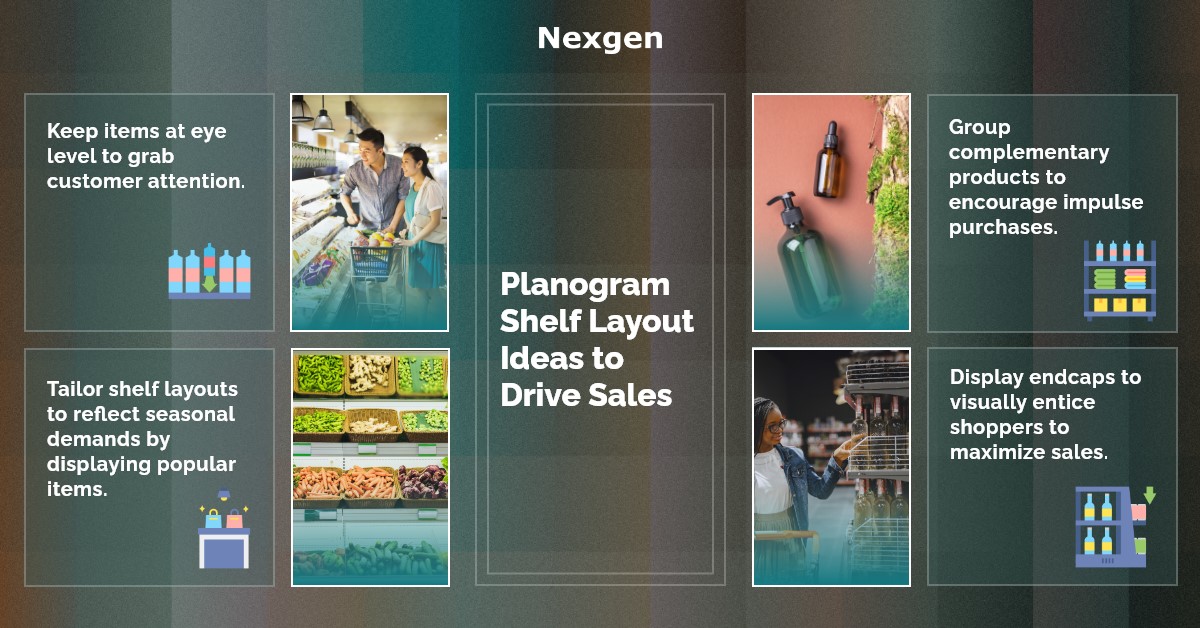
Modern planogram principles can catalyze this, by structuring visual stimuli that elicit desire and anticipation—tools essential to the dream logic philosophy.
Incorporating Technology: Smart Shelves as Muse and Medium
The “Dream Logic” shelf of 2026 is incomplete without the subtle magic of technology. Smart shelves embedded with sensors, lighting, and interactive displays can respond dynamically to environmental cues or the user’s behavior.
Imagine a shelf that shifts its luminance to highlight specific items based on the time of day or your mood, or one that can reorder itself to echo a subconscious yearning for novelty. These “smart shelves” are redefining retail and domestic storage alike by blending practical convenience with an almost sentient curatorial intelligence.
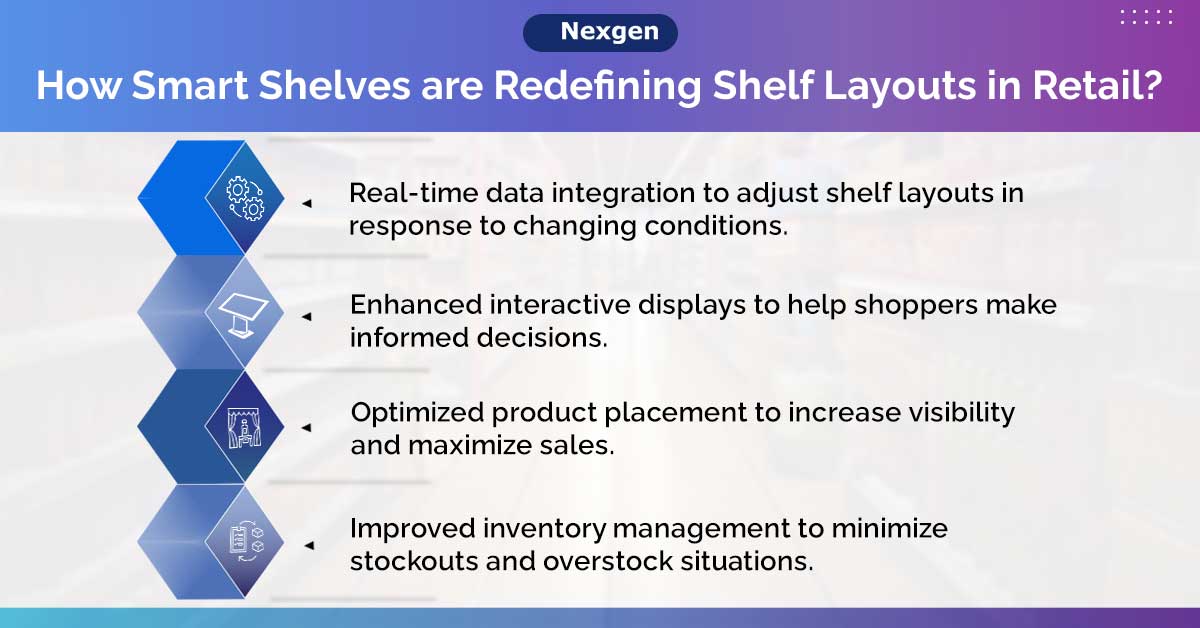
This fusion of hardware and aesthetic vision opens a gateway to shelves that dream and adapt, nudging us gently toward serendipitous discoveries.
Balancing the Surreal with the Functional
This endeavor also presents an internal tug-of-war: How surreal can a shelf be before it becomes impractical? Dream logic demands a deft balancing act. While whimsical elements and unexpected juxtapositions thrill the imagination, the shelf must ultimately serve daily life—holding objects securely, supporting ease of access, and maintaining durability.
Therefore, every oddity introduced must be carefully tested against practical standards. Perhaps a glass orb doubles as a hidden container, or suspended motifs can be moved easily to reveal conventional compartments beneath. This duality ensures utility does not fall victim to fantasy, but instead that the two enhance each other in a symbiotic dance.
Personalization: Infusing Identity into the Dream
One hallmark of a truly captivating “Dream Logic” shelf is that it carries the unmistakable imprint of its curator. Personal artefacts, heirlooms, or bespoke elements transform the shelf into a microcosm of self. These tokens hold latent narratives, memories, and mysteries—resonating powerfully within the surreal framework.
Embedding these personal touches becomes a ritual, an intimate layering of the mundane with the marvelous. It is the invitation to let the shelf be more than just a stage—it turns it into a reflection, a repository of dreams and lived experience entwined.
Lighting the Path: Dreamlike Illumination Techniques
Light acts as the ethereal brushstroke on this canvas. Thoughtfully designed lighting—whether through soft LEDs, color-shifting bulbs, or strategic spotlights—can manipulate mood, depth, and focus. It imbues the shelf with dynamism, making it pulse with life or retreat into mysterious shadows.
By harnessing light and shadow with intentionality, the shelf can simulate the shifting qualities of a dream, sometimes crisp and vivid, other times hazy and ambiguous. This dynamism reinforces the impermanence and fluidity essential to dream logic itself.
Conclusion: Embracing the Challenge of Dream Logic
Curating a “Dream Logic” shelf in 2026 is more than an act of decoration—it is a playful, ambitious challenge to reimagine the ordinary. It demands a careful blend of artistry, psychology, technology, and personal narrative. The finished product is a shelf that does not merely hold objects but holds dreams, invites contemplation, and sparks joy.
So, dare to ask: what would your shelf dream if it could? The answer might just change how you see the space around you—and redefine the boundaries between practicality and poetry.


Leave a Comment