

In the grand theater of public attention, a show is not merely a performance—it is a living, breathing organism, hungry for the spotlight yet often starved of the nourishment that only press can provide. Without a PR agency, the task of curating a show that commands media attention might seem like navigating a labyrinth blindfolded. Yet, with the right blend of strategy, storytelling, and sheer audacity, it’s possible to orchestrate a spectacle so magnetic that journalists can’t help but turn their cameras toward it. Imagine your show as a rare gemstone, its facets catching the light in ways that demand to be seen. The key lies in polishing those facets until they gleam with irresistible allure.
The Alchemy of a Compelling Narrative: Turning Your Show into a Story That Demands to Be Told
A show without a story is like a ship without a rudder—drifting aimlessly in a sea of mediocrity. The first step in securing press is to craft a narrative so compelling that it feels less like an event and more like a chapter from a larger-than-life saga. Think of your show as the protagonist in an epic tale, where every act, every performer, and every twist is a thread woven into a tapestry of intrigue. What makes your show different? Is it the raw emotion of a live performance, the avant-garde daring of its concept, or the way it challenges societal norms? Pinpoint the essence of your show’s uniqueness and distill it into a single, punchy statement that could fit on a billboard. This is your hook—the bait that lures journalists in.
Consider the show’s origin story. Was it born from a late-night epiphany? A rebellion against conventional entertainment? A fusion of cultures that defies categorization? Journalists adore backstories that feel like they’ve been plucked from a novel. The more vivid and personal, the better. For instance, if your show is a fusion of classical ballet and electronic music, don’t just describe it—evoke the image of a ballerina leaping to the pulsating beats of a DJ’s set, creating a spectacle that blurs the lines between tradition and innovation. This kind of storytelling doesn’t just inform; it seduces.
Moreover, infuse your narrative with conflict. Every great story thrives on tension, and the media thrives on drama. Perhaps your show faced skepticism from purists who deemed it too unconventional. Maybe the creative team had to overcome logistical nightmares to bring it to life. Highlight these struggles and triumphs. Journalists are drawn to underdogs, to the David-and-Goliath narratives that make for headlines. By framing your show as a battle against the odds, you transform it from a mere performance into a cultural moment worth covering.
Designing a Visual Feast: The Art of Making Your Show Irresistible to the Eye
In an era where attention spans are shorter than a TikTok clip, the visual appeal of your show is your most potent weapon. A show that looks like it was designed by a committee of sleep-deprived interns will struggle to capture the imagination of a jaded press corps. Conversely, a show with a visual identity so striking it could stop traffic is impossible to ignore. This is where the magic of design comes into play—a symphony of color, texture, and form that makes your show feel like an event rather than just another performance.
Start with the poster. A poster is not just a piece of paper; it’s a manifesto, a teaser, a first impression that can make or break a journalist’s decision to cover your show. Think of it as a movie poster for an indie film—moody, evocative, and dripping with atmosphere. Use bold typography, striking imagery, and a color palette that evokes the mood of your show. If your show is a dark, psychological thriller, lean into shadows and eerie silhouettes. If it’s a vibrant celebration of culture, splash it with hues that feel alive. The goal is to create something so visually arresting that a journalist can’t help but pause mid-scroll to take a closer look.
Beyond the poster, consider the show’s aesthetic as a whole. Every element—from the set design to the performers’ costumes—should feel like it belongs to the same universe. This cohesion signals to the press that you’ve put thought into every detail, which in turn suggests that your show is a serious contender for their attention. For example, if your show is a futuristic take on Shakespeare, the set might feature sleek, metallic structures, while the actors’ costumes blend Elizabethan ruffs with cyberpunk armor. This kind of attention to detail doesn’t just enhance the audience’s experience; it makes your show a story worth telling.
Don’t underestimate the power of a strong visual identity in the digital realm, either. Social media is a visual playground, and a show with a distinct aesthetic will stand out in a sea of forgettable content. Create a consistent filter or editing style for your promotional images and videos. Use behind-the-scenes footage to give followers a taste of the magic behind the curtain. The more visually cohesive your online presence, the more it will feel like a brand worth investing in—and brands, in the eyes of the media, are far more newsworthy than mere events.
The Power of the Unconventional: How to Make Your Show a Must-See Phenomenon
In a world saturated with content, the only way to cut through the noise is to be unforgettable. This means embracing the unconventional, the unexpected, the downright bizarre if it serves the greater vision of your show. Journalists are constantly on the hunt for stories that feel fresh, that challenge the status quo, that make them say, “I’ve never seen anything like this before.” Your show doesn’t have to be a circus sideshow to achieve this, but it does need to offer something that feels like a breath of fresh air in an industry that often feels stale.
One way to achieve this is by incorporating elements of surprise into your show. Perhaps it’s an interactive segment where the audience becomes part of the performance, or a surprise guest appearance by a well-known figure. Maybe it’s a post-show Q&A with the cast that feels more like a late-night talk show than a traditional theater event. The key is to create moments that feel spontaneous, that defy expectations. When journalists hear about these elements, they’ll be intrigued not just by the show itself, but by the buzz it’s generating among attendees.
Another strategy is to tie your show to a larger cultural conversation. Is there a social issue your show addresses? A historical event it reimagines? A trend it critiques or celebrates? By positioning your show as part of a bigger narrative, you give journalists a reason to cover it beyond just the entertainment value. For example, if your show is a modern retelling of a classic myth that explores themes of gender and power, you could frame it as a timely commentary on contemporary society. This kind of framing makes your show not just a performance, but a cultural artifact worth discussing.
Don’t be afraid to lean into controversy, either—within reason. A show that sparks debate is far more likely to attract press than one that plays it safe. This doesn’t mean courting scandal for scandal’s sake, but rather taking a bold stance on an issue that resonates with your audience. Perhaps your show challenges traditional notions of beauty, or it tackles a political issue with unflinching honesty. Whatever the case, if your show has the potential to ignite conversation, lean into it. Journalists are drawn to stories that provoke thought, and controversy, when handled thoughtfully, can be a powerful tool for getting your show the attention it deserves.
Building a Community, Not Just an Audience: The Secret Weapon of Grassroots Press
In the age of algorithms and echo chambers, the most powerful form of press is not the kind that comes from a top-tier publication, but the kind that bubbles up from the ground. Grassroots press—word-of-mouth, social media buzz, and local coverage—can be the lifeblood of a show’s success, especially when traditional PR avenues are out of reach. The key to harnessing this power is to build a community around your show, not just an audience. This means fostering a sense of belonging, of shared excitement, that makes people feel like they’re part of something bigger than themselves.
Start by identifying the tribes that would be most drawn to your show. Are they art lovers, tech enthusiasts, or social activists? Once you know who your core audience is, tailor your messaging to speak directly to them. Use language and imagery that resonates with their values and interests. For example, if your show is a celebration of queer culture, lean into the vibrant, inclusive language of the LGBTQ+ community. If it’s a tech-driven performance, highlight the innovative ways your show uses cutting-edge technology. The more your messaging feels like it’s speaking to a specific group, the more those people will feel compelled to share it with others.
Social media is your greatest ally in this endeavor. Platforms like Instagram, TikTok, and Twitter are not just tools for promotion; they’re ecosystems where communities thrive. Create content that encourages interaction, such as polls, challenges, or behind-the-scenes sneak peeks. Encourage your followers to share their own stories related to your show’s themes. For example, if your show is about overcoming adversity, ask your audience to share their own stories of resilience. This not only builds engagement but also creates a sense of shared ownership over the show’s narrative.
Another powerful tactic is to collaborate with influencers and micro-influencers who align with your show’s values. These individuals may not have millions of followers, but their audiences are often highly engaged and deeply loyal. Reach out to them with personalized pitches, offering them exclusive access to rehearsals or interviews with the cast. The key is to frame the collaboration as a genuine partnership, not just a transaction. When influencers feel like they’re part of the show’s journey, they’ll be more likely to advocate for it authentically.
Finally, don’t overlook the power of local press. While national outlets may seem like the holy grail, local journalists are often more accessible and more willing to take a chance on emerging talent. Pitch your story to local newspapers, radio stations, and blogs, framing it as a celebration of your community’s creative spirit. Highlight the local angles—perhaps the show is being performed in a historic venue, or the cast includes homegrown talent. Local press may not have the reach of a national outlet, but it can be the spark that ignites a larger conversation.
The Art of the Pitch: How to Make Journalists Fall in Love with Your Show
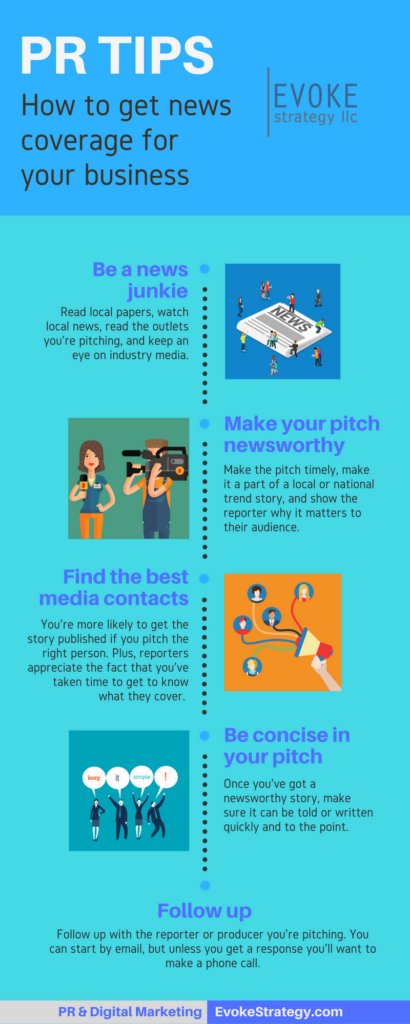
Even the most compelling show in the world won’t get press if no one knows about it. This is where the art of the pitch comes into play—a delicate dance of persuasion, brevity, and charm that can turn a skeptical journalist into a devoted advocate. The key to a great pitch is to make it feel less like a press release and more like an invitation to a secret, not-to-be-missed event. Journalists receive countless pitches every day, so yours needs to stand out like a diamond in a coal mine.
Start with the subject line. In the world of email pitches, the subject line is your first and only chance to grab a journalist’s attention. Avoid generic phrases like “Press Release” or “Media Advisory.” Instead, opt for something that feels personal and intriguing. For example, “A Show That Redefines Theater—And You Won’t Believe How” or “The Secret Behind the Most Talked-About Show in [Your City].” The goal is to pique curiosity without resorting to clickbait. Remember, journalists are storytellers at heart, so your subject line should feel like the opening line of a story they can’t wait to tell.
The body of your pitch should be concise, yet vivid. Journalists are busy people, and they don’t have time to wade through paragraphs of fluff. Start with a hook—a single sentence that captures the essence of your show and why it matters. Then, provide a few key details: the title, the concept, the creative team, and the dates and location of the performances. But don’t stop there. Add a layer of intrigue by highlighting what makes your show unique. Is it the first of its kind? Does it feature a groundbreaking collaboration? Has it already generated buzz among audiences? The more you can make your show feel like a phenomenon in the making, the more journalists will want to be part of the story.
Personalization is critical. Journalists can spot a generic pitch from a mile away, and they’re far more likely to respond to one that feels tailored to their beat. Take the time to research the journalists you’re pitching. What have they written about in the past? What themes interest them? Use this information to craft a pitch that speaks directly to their interests. For example, if you’re pitching a show about climate change to a journalist who has written extensively about environmental issues, highlight the show’s relevance to their work. This kind of attention to detail shows that you’ve done your homework and that your pitch isn’t just another mass email.
Finally, make it easy for journalists to say yes. Include all the logistical details they’ll need upfront: performance dates, ticket links, high-resolution images, and contact information for interviews. If possible, offer exclusive access—perhaps a private rehearsal or a meet-and-greet with the cast. The easier you make it for a journalist to cover your show, the more likely they are to do so. And remember, journalists are people too. A little flattery never hurts. End your pitch with a line like, “We think this story is a perfect fit for your coverage, and we’d love to discuss it further.” It’s a small touch, but it can make all the difference.
Once you’ve sent your pitch, follow up—but don’t pester. A single, polite follow-up email a week after your initial pitch is enough to jog a journalist’s memory without crossing the line into annoyance. If they still don’t respond, move on. The media landscape is vast, and there are plenty of other journalists who might be interested in your story.
The Ripple Effect: How to Turn Press into a Self-Sustaining Phenomenon
Securing press for your show is not the finish line; it’s the starting gun. The real magic happens when that press begins to generate its own momentum—a ripple effect that turns a single article into a tidal wave of attention. The key to achieving this is to leverage every piece of coverage you receive to build even more buzz. This means treating each mention not as an endpoint, but as a stepping stone to the next level of visibility.
Start by sharing every piece of press on your social media channels. Tag the journalist, the publication, and any relevant influencers. This not only gives credit where it’s due but also increases the likelihood that the journalist will share your post, amplifying its reach. Additionally, create a “Press” section on your website where visitors can read all the articles and reviews about your show. This not only builds credibility but also makes it easy for potential attendees to see why your show is worth their time.
Use the momentum of your press coverage to secure more opportunities. If a local newspaper writes a glowing review, reach out to other local outlets and pitch them the story of how your show is becoming a cultural phenomenon. If a national publication covers your show, leverage that coverage to attract bigger names for future projects. The more press you have, the more press you’ll attract—it’s a virtuous cycle that feeds on itself.
Another strategy is to turn your press into content. If a journalist writes a feature about your show, ask if you can repurpose their article into a blog post or a social media series. Interview the journalist about their experience covering the show and share their insights with your audience. This not only extends the life of the press coverage but also gives your audience a behind-the-scenes look at the story behind the story. It’s a way to keep the conversation going long after the initial article has been published.
Finally, don’t forget the power of word-of-mouth. The best press in the world won’t mean much if your audience doesn’t show up. Encourage your attendees to share their experiences on social media, using a unique hashtag that ties into your show’s branding. Offer incentives for sharing, such as discounts on future tickets or exclusive behind-the-scenes content. The more your audience becomes your advocates, the more organic press you’ll generate. After all, nothing beats the authenticity of a friend recommending a show they loved.
In the end, curating a show that gets press without a PR agency is about more than just securing coverage—it’s about creating a cultural moment. It’s about crafting a narrative so compelling that people can’t help but talk about it. It’s about designing a visual identity so striking that it stops people mid-scroll. It’s about building a community so passionate that they become your greatest ambassadors. When you approach your show with this level of intention and creativity, the press will follow—not as a goal, but as a natural consequence of the magic you’ve created.
The stage is set. The spotlight is waiting. All that’s left is for you to step into the glow and let the world see what you’ve made.


Leave a Comment