

There’s something quietly revolutionary about framing a living artwork. Not the kind that hangs on a wall, static and silent, but the kind that breathes, grows, and evolves with time. It’s a fusion of horticulture and artistry, where the frame itself becomes a vessel for life rather than just a boundary. You’ve likely seen these living frames—vibrant tapestries of moss, ferns, or succulents cascading over wooden or metal structures, their greenery spilling over the edges like a waterfall of chlorophyll. They captivate not just for their beauty, but for what they represent: a defiance of stillness, a celebration of the ephemeral, and a reminder that art doesn’t have to be frozen in time to be profound.
The fascination with living frames isn’t just about aesthetics. It’s a visceral response to the idea that beauty can be alive, that creation isn’t a one-time act but an ongoing dialogue between the artist, the plant, and the observer. When you hang a living frame on your wall, you’re not just displaying art—you’re inviting a tiny ecosystem into your home, a living conversation piece that changes with the seasons, the light, and even your own mood. It’s a subtle rebellion against the disposable culture of modern decor, where everything is meant to be replaced rather than nurtured. But how do you create such a thing? What does it take to coax a frame into becoming a living masterpiece? Let’s explore the art and science of framing life itself.
The Allure of the Living Frame: Why We’re Drawn to Growth on Walls
Humans have always been enchanted by the idea of taming nature, of bringing the wild indoors in controlled, beautiful ways. Living frames tap into this primal fascination, offering a paradox: the controlled chaos of nature contained within a rigid structure. There’s a psychological comfort in this—it’s nature, but it’s also art, and art, by its very nature, is a human construct. The living frame bridges the gap between the organic and the designed, the wild and the cultivated.
Consider the biophilic design movement, which posits that humans have an innate need to connect with nature. Living frames are the ultimate expression of this principle. They don’t just mimic nature; they *are* nature, albeit in a curated form. The way the plants spill over the edges, the way the colors shift with the seasons, the way the frame itself becomes a part of the ecosystem—it’s a living testament to the idea that beauty isn’t static. It’s dynamic, it’s alive, and it’s constantly in conversation with its environment.
There’s also something deeply meditative about a living frame. Watching a plant grow, change, and thrive over time can be a grounding experience in a world that moves at breakneck speed. It’s a reminder that creation isn’t a sprint but a slow, deliberate process. In a society that often prioritizes instant gratification, the living frame offers a counterpoint: a piece of art that rewards patience, care, and attention.
Choosing Your Canvas: Selecting the Right Frame for Living Art
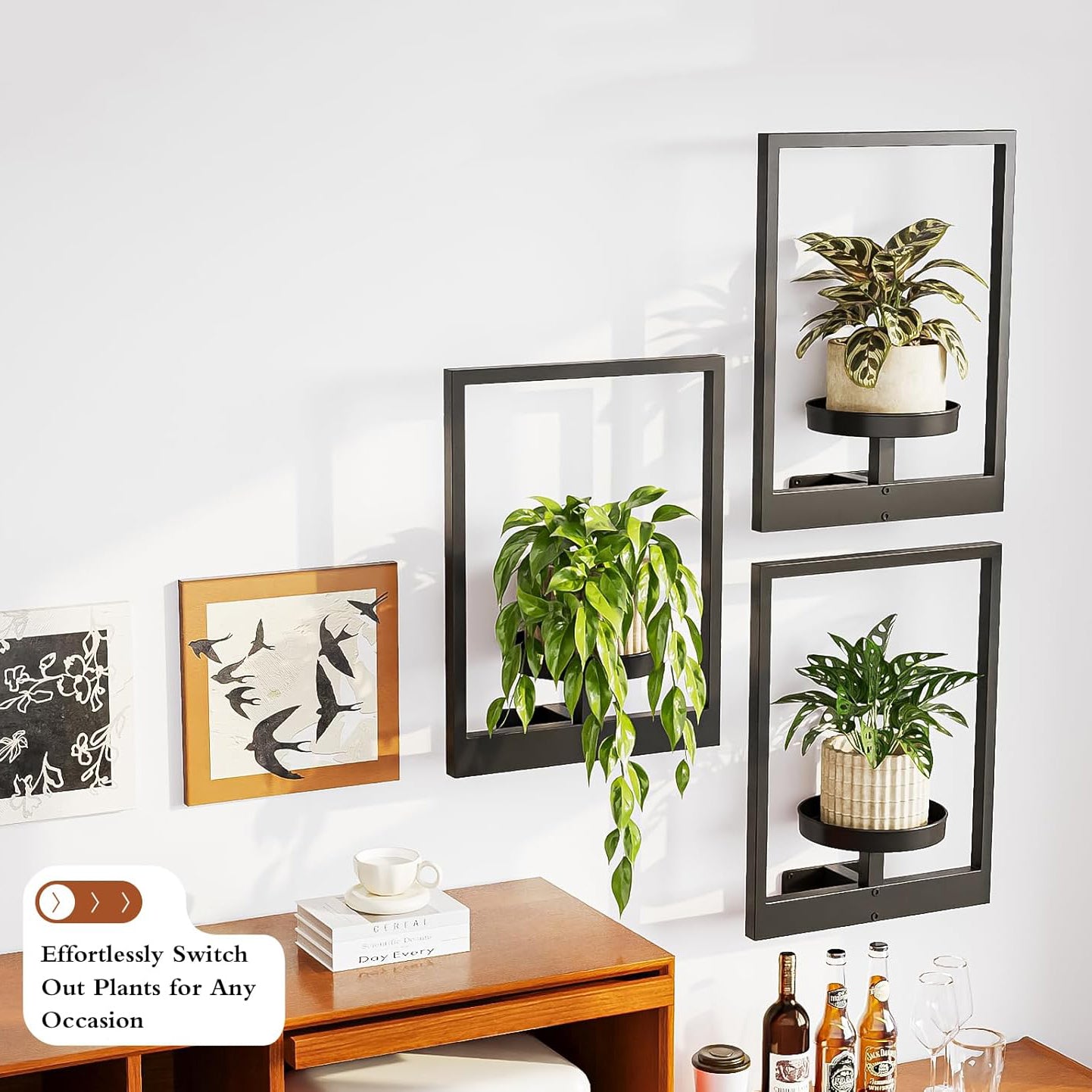
Not all frames are created equal when it comes to housing living artwork. The frame isn’t just a decorative element; it’s the foundation, the skeleton that will support the life within it. The first consideration is material. Wood, for instance, is a classic choice—its natural texture and warmth complement the organic nature of the plants. Cedar and redwood are particularly durable and resistant to rot, making them ideal for moisture-rich environments. Metal frames, on the other hand, offer a sleek, modern aesthetic and can be more resistant to warping, though they may require a bit more effort to keep the plants from drying out.
The depth of the frame is another critical factor. A shallow frame might work for delicate moss or small ferns, but if you’re aiming for a lush, cascading effect with trailing plants like string of pearls or pothos, you’ll need a deeper structure to accommodate the roots and allow for growth. Think of it as building a tiny terrarium within a frame—there needs to be enough space for the plants to establish themselves without feeling cramped.
Don’t overlook the back panel. It’s easy to focus on the front, where the plants will be visible, but the back is just as important. A solid, waterproof backing will prevent moisture from seeping into your wall, while a breathable material like burlap or landscape fabric can help regulate humidity and prevent mold. Some frames even incorporate a drainage system, allowing excess water to escape without damaging the wall or the plants.
A living frame in progress, where the frame’s depth and material play a crucial role in supporting the plant life. The wooden structure provides a natural aesthetic, while the depth allows for a variety of textures and growth patterns.
Plant Selection: Crafting a Living Palette
The plants you choose will define the character of your living frame. This isn’t just about picking the prettiest specimens; it’s about understanding their needs, their growth habits, and how they’ll interact with one another. The key is to select plants that share similar care requirements—light, water, and humidity—so that your frame remains balanced and thriving.
Moss is a popular choice for living frames, particularly sheet moss or cushion moss, because it’s low-maintenance and creates a lush, velvety texture. It thrives in low to medium light and prefers consistent moisture, making it ideal for indoor environments. Ferns, with their delicate fronds and airy appearance, add a touch of elegance and movement. They require higher humidity and indirect light, so they’re best suited for bathrooms or kitchens where moisture levels are naturally higher.
For a more dramatic effect, consider trailing plants like string of pearls, string of hearts, or ivy. These plants spill over the edges of the frame, creating a waterfall of greenery that draws the eye downward. They prefer bright, indirect light and well-draining soil, so they’re a great choice for frames placed near windows. Succulents and air plants offer a striking contrast with their bold shapes and minimal water needs, but they require bright light and careful watering to prevent rot.
Layering is essential. Start with a base layer of moss or a slow-growing ground cover, then add mid-height plants like ferns or small foliage plants, and finish with trailing plants at the edges. This creates depth and visual interest, ensuring that your frame looks full and vibrant from every angle.
The Art of Assembly: Building Your Living Frame Step by Step
Assembling a living frame is part science, part artistry. Begin by preparing your frame. If it’s a wooden frame, you may want to seal the edges with a non-toxic sealant to prevent rot. Line the back with a waterproof material, then add a layer of landscape fabric or burlap to hold the soil in place while allowing for drainage. This fabric will also help distribute moisture evenly across the frame.
Next, add your growing medium. A lightweight, well-draining soil mix is ideal—think a blend of peat moss, perlite, and coconut coir. Avoid heavy garden soil, which can compact and suffocate the roots. Spread the soil evenly across the back of the frame, leaving space at the top for plants to be inserted. If you’re using moss as a base layer, press it gently into the soil to create a seamless foundation.
Now comes the fun part: planting. Start with your largest plants first, placing them in the center or back of the frame where they’ll have room to grow. Use a small trowel or your fingers to create pockets in the soil, then nestle the plants in gently. Press the soil around the roots to secure them in place. For trailing plants, insert them along the top edge of the frame, allowing the stems to cascade downward naturally.
Once all the plants are in place, mist the frame thoroughly with a spray bottle. This helps settle the soil and hydrates the plants without disturbing their roots. Place the frame in its final location, ensuring it receives the appropriate amount of light for the plants you’ve chosen. Avoid direct sunlight, which can scorch delicate foliage, and keep the frame away from drafts or heat sources.
Watering is the final step—and the most crucial. Living frames require a delicate balance of moisture. Overwatering can lead to root rot, while underwatering will cause the plants to dry out and die. The best approach is to mist the frame regularly, keeping the soil lightly moist but not soggy. A spray bottle is ideal for this, as it allows for precise control. Some enthusiasts even use a capillary watering system, where a reservoir at the bottom of the frame slowly releases water into the soil.
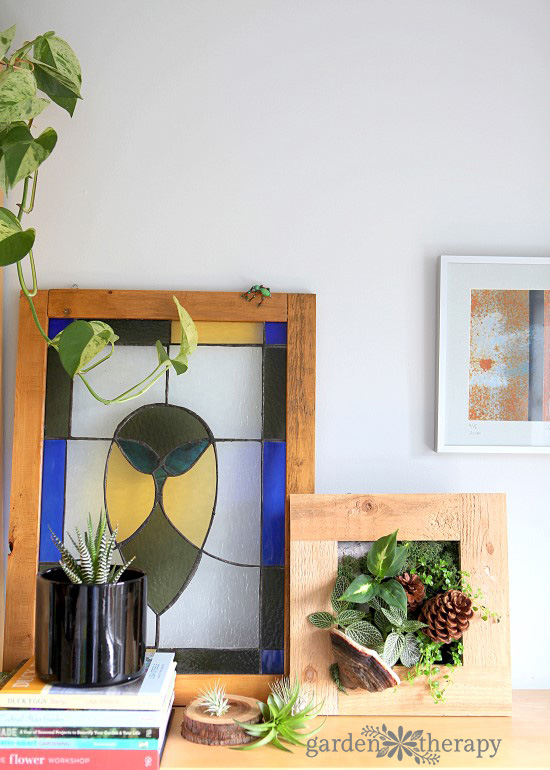
A finished living frame, mounted and thriving. The careful selection of plants and the thoughtful assembly process result in a piece of art that evolves over time, changing with the seasons and the care it receives.
Nurturing Your Living Masterpiece: Maintenance and Long-Term Care
A living frame isn’t a set-it-and-forget-it project. It requires ongoing care, attention, and a bit of intuition. The first few weeks are critical—this is when the plants are establishing their roots and adapting to their new environment. Keep a close eye on moisture levels, and be prepared to adjust your watering schedule based on the humidity and temperature of your home.
Pruning is another essential task. As the plants grow, they may start to outgrow their space or become leggy. Regular trimming encourages bushier growth and keeps the frame looking tidy. Use clean scissors or pruning shears to snip back any overgrown stems or dead foliage. This not only maintains the frame’s appearance but also prevents disease and pests from taking hold.
Pests can be a challenge, especially in indoor environments where air circulation may be limited. Keep an eye out for common culprits like spider mites, aphids, or fungus gnats. If you spot any, isolate the frame and treat it with a gentle, natural solution like neem oil or insecticidal soap. Prevention is key—ensure your frame has adequate airflow and avoid overwatering, which can create a breeding ground for pests.
Over time, you may find that some plants thrive while others struggle. Don’t be afraid to replace or rearrange plants as needed. A living frame is a dynamic creation, and its composition can—and should—evolve. Think of it as a living sketch, where each adjustment brings new life and new beauty to the piece.
The Deeper Magic: What Living Frames Teach Us About Time and Transformation
There’s a quiet philosophy embedded in the act of framing life. It’s a reminder that art isn’t just about permanence but about the beauty of change. A living frame grows, fades, and regenerates, mirroring the cycles of life itself. It’s a tangible representation of the Japanese concept of *wabi-sabi*, where imperfection and impermanence are celebrated rather than shunned.
In a world that often feels fragmented and fast-paced, the living frame offers a moment of stillness. It’s a conversation starter, a mood enhancer, and a living piece of history. Each frame tells a story—not just of the plants it contains, but of the hands that nurtured it, the environment it inhabits, and the time it has spent growing and changing.
Perhaps that’s why we’re so drawn to them. In an age of digital art and fleeting trends, the living frame is a rebellion against disposability. It’s a commitment to nurturing, to patience, and to the idea that beauty can be a process rather than a product. It’s an invitation to slow down, to observe, and to participate in the creation of something alive.
So if you’ve ever hesitated to try framing a living artwork, consider this your sign. Start small. Experiment with moss. Play with ferns. Let the plants guide you. The result won’t just be a frame on your wall—it’ll be a living testament to the magic of growth, the art of nurturing, and the quiet revolution of bringing life indoors.


Leave a Comment