

Hosting a dinner party is an art form—one that balances culinary precision with the unpredictable magic of human connection. But what if you leaned into the chaos? What if, instead of striving for perfection, you embraced the delightful disarray of a Chaoticist Dinner Party? This isn’t about burnt casseroles or spilled wine (though those can be part of the fun). It’s about curating an evening where spontaneity reigns, rules are bent, and the only expectation is that everyone leaves with a story to tell. Whether you’re a seasoned host or a first-timer with a rebellious streak, here’s how to turn your dining table into a stage for controlled pandemonium.
The Philosophy of the Chaoticist Dinner Party
A Chaoticist Dinner Party isn’t just a meal—it’s a rebellion against the tyranny of rigid etiquette. It’s the antithesis of a Michelin-starred tasting menu served in silence. Instead, imagine a feast where forks are optional, courses are fluid, and the dessert might just appear in the middle of the main course because someone got carried away. The core philosophy? Embrace imperfection. The goal isn’t to impress but to incite—moments of laughter, unexpected conversations, and the kind of memories that make guests whisper, “Remember that time at your place?” long after the plates are cleared.
This isn’t to say chaos should be unchecked. The key is structured spontaneity—a loose framework that allows for delightful detours. Think of it like jazz improvisation: there’s a melody (your menu, your space), but the magic happens in the improvisation. The host’s role? To nudge the chaos in the right direction without smothering it.
Designing the Menu: A Symphony of Controlled Madness
Forget the rigid progression of appetizers, mains, and desserts. A Chaoticist Dinner Party thrives on culinary anarchy—where courses blur, flavors collide, and the only rule is that nothing should feel too predictable. Start with a build-your-own chaos board instead of a charcuterie platter. Offer a spread of deconstructed elements: a bowl of olives, a block of cheese to be sliced with reckless abandon, crusty bread that guests can tear with their hands, and dips that double as finger paints. The goal? To encourage tactile engagement, not just consumption.
For the main event, consider a mystery dish—something assembled tableside with ingredients passed around like a game of culinary telephone. A DIY taco bar with global twists (Korean bulgogi meets Mexican tortillas? Yes.) or a risotto roulette where guests take turns stirring, adding broth, or tossing in unexpected ingredients (a splash of hot sauce? A handful of gummy bears?) keeps the energy high. And dessert? Serve it first—a decadent chocolate fondue with fruit, marshmallows, and the occasional rogue pickle for those who crave the unexpected.
Pro tip: Label everything vaguely. “Spicy Mystery Sauce” or “Fermented Experiment” invites curiosity over hesitation. The less precise the description, the more adventurous your guests will feel.
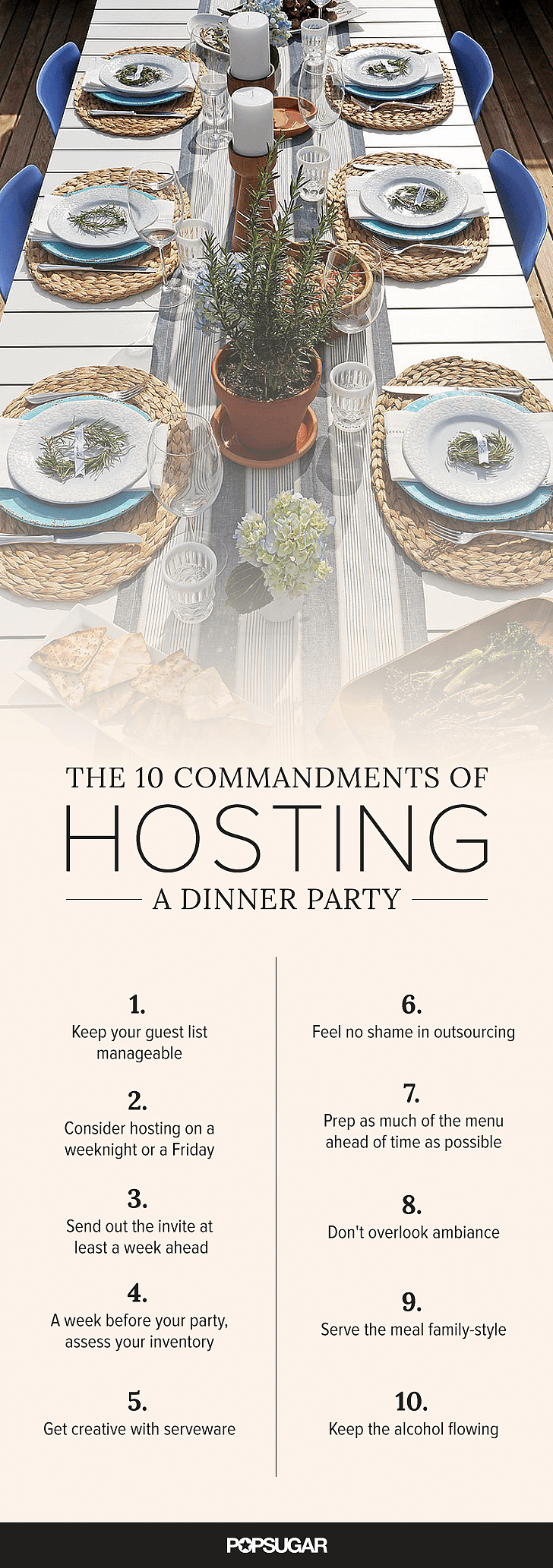
The Art of Spatial Sabotage: Redefining Your Dining Space
A Chaoticist Dinner Party demands a setting that’s as fluid as the evening’s energy. Ditch the rigid seating chart and the perfectly spaced chairs. Instead, create zones of interaction—a lounge area with floor cushions, a standing bar near the kitchen, and a dining table that’s more of a communal crafting station. Scatter books, candles, and random objects (a vintage typewriter? A bowl of loose change?) to spark conversation. The goal is to make the space feel like a living room, not a showroom.
Lighting is your secret weapon. Dim the overhead lights and rely on layered illumination—fairy lights tangled in a chandelier, a single flickering candle in a wine bottle, or a lamp pointed at a wall to cast dramatic shadows. The right lighting turns a room into a stage where every guest becomes a character in the evening’s narrative.
And don’t forget the acoustic chaos. A curated playlist is fine, but a Chaoticist Dinner Party thrives on sonic unpredictability. Start with jazz, segue into punk, and then abruptly switch to a vinyl crackle of old blues records. The key is to keep the auditory landscape as dynamic as the conversation.
Guest Dynamics: The Alchemy of Unscripted Connections
The guests make or break the chaos. Aim for a mix of personalities who will feed off each other’s energy—the storyteller, the provocateur, the quiet observer, and the class clown. The host’s job is to introduce them with a flourish and then step back. Let conversations meander. Encourage debates about the most ridiculous topics (Is a hot dog a sandwich? Should pineapple belong on pizza?). The more polarizing the subject, the better.
For structured chaos, introduce interactive games that double as icebreakers. A two-truths-and-a-lie session where the lies are increasingly absurd. A collaborative drawing game where each guest adds to a single piece of paper. Or a blindfolded taste test where the “mystery ingredient” is revealed to be something delightfully gross (anchovies? Pickle juice?). The goal isn’t to embarrass but to create shared moments of hilarity.
And then there’s the unexpected guest—someone who wasn’t invited but shows up anyway. In a Chaoticist Dinner Party, this isn’t a disaster; it’s an opportunity. Greet them with open arms, assign them a role (the “official chaos greeter”), and let the evening’s unpredictability expand.
The Aftermath: Leaving Them Wanting (Chaos)
As the night winds down, resist the urge to tidy up immediately. Let the evidence of the evening linger—a half-empty bottle of wine, a smudge of sauce on the wall, a single shoe under the couch. The mess is part of the story. When guests leave, send them off with a chaoticist favor—a jar of homemade jam with a label that reads “Eat Me (But Not Too Carefully),” a mixtape of the evening’s soundtrack, or a Polaroid of them mid-laugh with a scribbled caption like “Professional Chaos Participant.”
The true measure of a Chaoticist Dinner Party isn’t how smoothly it ran, but how vividly it’s remembered. Did someone spill red wine on the carpet? Did a debate about the existence of God erupt at 2 AM? Did the dessert get served with a dramatic flourish? These are the moments that transform a meal into a legend.
So next time you host, forget the pressure to be perfect. Instead, ask yourself: What’s the most delightfully unhinged version of this dinner party I can create? The answer might just be the best one yet.


Leave a Comment