

Stagecraft is a symphony of controlled chaos, where light, sound, and atmosphere merge into an unforgettable spectacle. Yet, one of the most mesmerizing effects—a downpour on stage—often feels like a paradox. How can rain, that most unpredictable of natural phenomena, be summoned with precision, without turning the stage into a shocking disaster? The answer lies not in defying physics, but in mastering it. The fascination with simulated rain on stage isn’t merely about aesthetics; it’s about the alchemy of illusion, safety, and sensory immersion. Let’s explore how to orchestrate a deluge that enchants audiences without shorting the electrics.
The Allure of Controlled Rain: Why We’re Drawn to the Illusion
There’s something primal about rain. It evokes childhood memories of puddle-jumping, the rhythmic patter on rooftops, the scent of wet earth. When staged, rain becomes more than weather—it’s emotion given form. Directors use it to heighten drama, evoke nostalgia, or even cleanse a scene of tension. Yet, the challenge is daunting: how to replicate nature’s chaos within the rigid confines of a theater? The answer lies in the delicate balance between artistry and engineering. Rain on stage isn’t just water falling; it’s a carefully calibrated performance where every droplet serves a purpose.
The fascination with this effect isn’t accidental. Studies in cognitive psychology suggest that humans are wired to respond to patterns in nature. Rain, with its cyclical rhythm and sensory richness, triggers a subconscious connection to survival and renewal. When staged, it becomes a metaphor—transcending its physical form to symbolize cleansing, rebirth, or even impending doom. The magic isn’t in the water itself, but in the way it transforms a scene from static to dynamic, from ordinary to extraordinary.
Water and Electricity: The Perilous Dance
At first glance, combining water and electricity seems like a recipe for disaster. Yet, in the world of stagecraft, it’s a necessary risk. The key lies in isolation. Water, in its purest form, is a conductor—but only if it contains impurities. By using deionized or distilled water, you strip away the ions that facilitate conductivity. This isn’t just a safety measure; it’s a creative choice. The water becomes a blank canvas, ready to be shaped by light and movement without the threat of electrical shorts.
Another critical factor is the infrastructure. Modern stage rigging often employs water-resistant materials like PVC piping, silicone seals, and corrosion-resistant metals. These aren’t just practical choices; they’re the unsung heroes of the illusion. The piping system must be meticulously planned, with hidden reservoirs and pumps that operate silently in the background. The goal isn’t just to move water—it’s to make the audience forget it’s even there, until the moment the rain begins to fall.
Designing the Rain: From Concept to Execution
The first step in creating stage rain is conceptualization. What kind of rain are you aiming for? A gentle drizzle to set a mood? A torrential downpour to amplify tension? The answer dictates the entire design. For a soft rain, fine misting nozzles or perforated pipes can mimic the delicate touch of nature. For a heavier downpour, high-pressure systems with cascading streams create a more dramatic effect. The choice isn’t just aesthetic—it’s about controlling the audience’s emotional response.
The placement of the rain system is equally crucial. It must be invisible yet omnipresent. Hidden rigs above the stage, along catwalks, or even within scenic elements like trees or buildings allow the water to fall naturally without disrupting the set. The angle of the spray is another consideration. A slight tilt can create the illusion of wind-blown rain, adding another layer of realism. And don’t forget the sound—subtle audio cues of rain can enhance the effect, making the illusion even more immersive.

The Role of Lighting: Painting with Raindrops
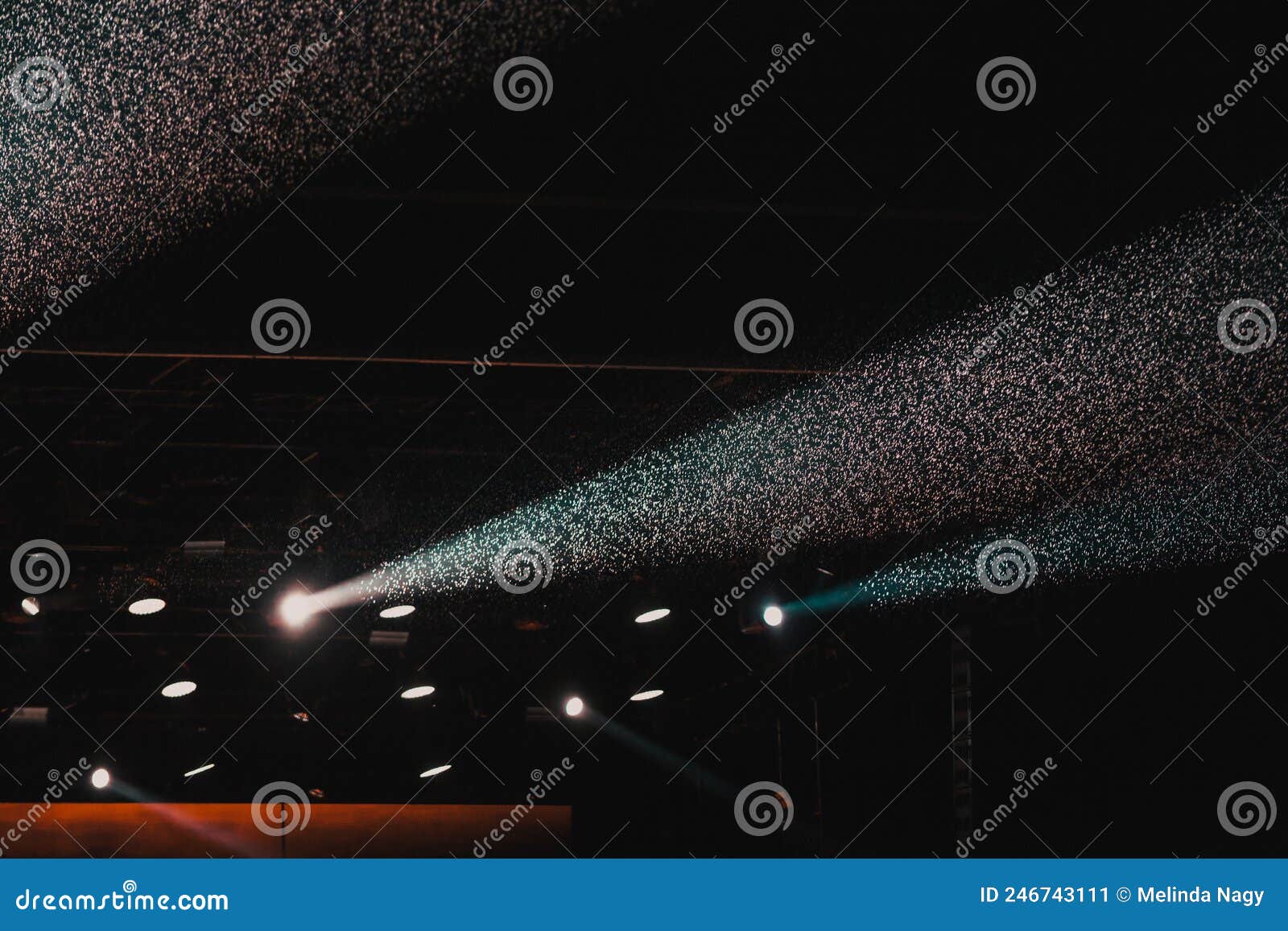
Lighting is the brushstroke that brings the rain to life. Without it, the water is just water—functional, but not evocative. Stage lights, when angled correctly, can transform falling droplets into shimmering jewels. The key is to use backlighting or side-lighting to create a halo effect around each drop. This technique, known as “rain light,” makes the water appear luminous, almost magical. The color temperature of the lights also plays a role. Cooler tones (blues and whites) evoke a stormy night, while warmer hues (ambers and golds) suggest a summer shower.
Dynamic lighting can further enhance the effect. Slow fades or pulsating beams can mimic the ebb and flow of a storm, while strobe lights can simulate lightning. The interplay between light and water isn’t just visual—it’s psychological. It guides the audience’s focus, directing their attention to key moments in the performance. In this way, lighting isn’t just a tool; it’s the storyteller’s secret weapon.
Safety Protocols: The Unsung Heroes of Stage Rain
No discussion of stage rain would be complete without addressing safety. The most dazzling effects are meaningless if they endanger the cast or crew. Electrical safety starts with ground fault circuit interrupters (GFCIs) that cut power instantly if water intrusion is detected. All electrical components must be rated for wet conditions, and any exposed wiring should be encased in waterproof conduits. Even the actors’ costumes play a role—water-resistant fabrics and quick-drying materials prevent discomfort and hazards.
Fire safety is another critical consideration. Water and electricity aren’t the only risks; the combination of water and stage pyrotechnics can be volatile. Fire-retardant materials and proper ventilation systems are essential. Additionally, the stage floor must be designed to handle the added weight and moisture. Slip-resistant surfaces and drainage systems prevent accidents, ensuring that the rain effect remains a spectacle, not a liability.
Case Studies: Rain in Action
Consider the Broadway production of *The Lion King*, where rain is used to evoke the African savanna’s sudden storms. The effect is achieved through a network of hidden pipes and misting nozzles, synchronized with lighting and sound. The result? A seamless illusion that transports the audience to another world. Similarly, in *Les Misérables*, the barricade scene’s rain isn’t just atmospheric—it’s a narrative device, symbolizing the characters’ despair and resilience. These examples prove that rain on stage is more than a trick; it’s a storytelling tool.
Another standout is the immersive theater production *Sleep No More*, where rain is used to blur the lines between audience and performer. The water falls in the aisles, creating an interactive experience that heightens the sense of mystery. These productions demonstrate that rain isn’t just a visual effect—it’s an emotional catalyst, pulling the audience deeper into the narrative.
The Psychology of Rain: Why It Resonates
Beyond the technical mastery, there’s a deeper reason why rain on stage captivates us. It taps into our collective unconscious, evoking archetypes of cleansing, renewal, and transformation. In mythology, rain is often a symbol of divine intervention or rebirth. On stage, it becomes a metaphor for change—whether it’s the resolution of a conflict, the passage of time, or the catharsis of a character’s journey. The audience doesn’t just see rain; they feel it, emotionally and viscerally.
This psychological resonance is why rain effects are so versatile. They can be subtle or overwhelming, gentle or violent, depending on the story’s needs. A slow drizzle can set a melancholic tone, while a sudden downpour can jolt the audience into awareness. The key is to align the effect with the narrative, ensuring that the rain serves the story rather than overshadowing it. When done right, it becomes an invisible thread weaving through the performance, connecting the audience to the characters and their struggles.
Innovations and Future Trends
The world of stage rain is evolving. Advances in technology are making effects more realistic and sustainable. For instance, closed-loop water systems recycle water, reducing waste and environmental impact. Smart lighting systems, controlled by AI, can adjust the rain’s intensity in real-time based on the performance’s cues. Even the materials used for piping and nozzles are becoming more eco-friendly, aligning with the industry’s push toward sustainability.
Another exciting development is the integration of augmented reality (AR). Imagine rain that interacts with digital projections, creating a hybrid experience where the virtual and physical worlds merge. This could open new avenues for storytelling, allowing directors to blend rain with fantastical elements like floating droplets or gravity-defying streams. The future of stage rain isn’t just about realism—it’s about pushing the boundaries of what’s possible.
The art of making it rain on stage is a testament to human ingenuity. It’s a delicate dance between safety and spectacle, between nature and technology. When executed with precision, it transcends its technical roots to become something magical—a moment where the audience is transported, if only for a few seconds, into a world where anything is possible. The next time you watch a performance and feel the cool mist of rain on your skin, remember: it’s not just water falling. It’s a story unfolding, drop by drop.


Leave a Comment