

In the quiet hum of a sunlit room, where the scent of wool mingles with the faintest whisper of fur, a transformation begins. What once was a discarded clump of pet hair, shed indifferently across your favorite sweater, now holds the potential to become something extraordinary. This is the alchemy of chiengora—the art of spinning yarn from the fur of your feline companion. But why “chiengora,” you ask? The term itself is a playful portmanteau of “chien,” the French word for dog, and “angora,” a nod to the luxurious fibers traditionally sourced from rabbits. Though the name suggests canine origins, the technique has gracefully expanded to embrace the silken strands of cats, yielding a yarn that is as soft as it is sustainable.
For the uninitiated, the idea of spinning yarn from pet fur might seem whimsical, even absurd. Yet, for those who have felt the velvety smoothness of a handspun cat yarn scarf draped around their neck, the magic is undeniable. This article will guide you through the entire process—from the gentle art of collecting fur to the rhythmic dance of spinning it into yarn—while exploring the unique qualities that make feline fiber a treasure worth pursuing. Whether you’re a seasoned fiber artist or a curious newcomer, the world of chiengora offers a rewarding journey into sustainability, creativity, and the unexpected beauty of everyday materials.
The Allure of Feline Fiber: Why Cat Fur Makes Exceptional Yarn
At first glance, cat fur might not strike you as an ideal candidate for yarn production. After all, it’s finer than sheep’s wool, more delicate than goat cashmere, and lacks the staple length of traditional fibers. Yet, these very characteristics are what make it so extraordinary. Cat fur is composed of two distinct layers: the coarse, protective guard hairs and the downy undercoat. When properly processed, the undercoat—soft, lightweight, and hypoallergenic—becomes the star of the show, yielding a yarn that is lighter than air yet surprisingly durable.
One of the most compelling reasons to spin cat fur is its sustainability. In a world where fast fashion clogs landfills and synthetic fibers shed microplastics into our oceans, chiengora offers a guilt-free alternative. By repurposing the fur your cat naturally sheds, you’re not only reducing waste but also creating a one-of-a-kind textile that tells a story. Each skein carries the essence of your pet’s personality—whether it’s the silken strands of a Persian’s regal coat or the wiry texture of a Maine Coon’s rugged fur. The result is a yarn that is as unique as the cat it came from, impossible to replicate in mass-produced fibers.
Beyond its eco-friendly appeal, cat yarn boasts practical advantages. It’s naturally moisture-wicking, making it ideal for lightweight garments like shawls, socks, or baby blankets. Its hypoallergenic properties also make it a thoughtful choice for those with wool sensitivities. And let’s not forget the sheer joy of wearing something made by your own hands—each stitch a testament to the bond between you and your feline friend.

Gathering the Golden Fleece: How to Collect Cat Fur for Spinning
The first step in your chiengora journey is the delicate task of collecting fur. Unlike sheep, which can be sheared in a single, efficient session, cats require a more nuanced approach. The key is patience and timing. Cats naturally shed their undercoat in seasonal cycles, typically in spring and fall, but daily grooming can also yield a surprising amount of usable fiber. The best fur for spinning is the soft undercoat, which can be gently combed from your cat using a fine-toothed comb or a slicker brush designed for long-haired breeds.
For those with particularly cooperative cats, a lint roller or a damp washcloth can be used to collect loose fur from furniture and clothing. However, avoid using fur from areas where your cat has been outdoors, as it may contain dirt, debris, or even parasites. Once collected, the fur should be stored in a breathable container, such as a paper bag or a mesh laundry bag, to prevent moisture buildup and mold. Avoid plastic bags, as they can trap humidity and cause the fur to degrade over time.
It’s worth noting that not all cat fur is suitable for spinning. Breeds with predominantly guard hairs, such as the Siamese or the Bengal, will produce a coarser yarn that may not be as soft. On the other hand, breeds with dense undercoats, like the Ragdoll or the Norwegian Forest Cat, are ideal candidates. If you’re unsure about your cat’s fur type, a simple test can help: gently blow into a small pile of fur. If it separates into fine, feathery strands, you’ve got undercoat material. If it clumps together, you’re dealing with guard hairs, which may require blending with other fibers to achieve a smoother texture.
Preparing the Fiber: Cleaning, Carding, and Blending
Before you can spin your cat fur into yarn, it must be thoroughly cleaned and prepared. The first step is to remove any debris, such as litter particles or dust, by gently shaking the fur over a fine mesh screen or a colander. Next, the fur should be washed to remove oils and dirt. Unlike sheep’s wool, which can be washed with a mild detergent, cat fur requires a gentler touch. Use a wool-specific shampoo or a mild baby shampoo, and wash the fur in cool water to prevent felting. Avoid agitating the fur too vigorously, as this can cause the fibers to clump together.
Once clean, the fur must be dried completely before carding. Lay it out on a clean towel or a mesh drying rack, and allow it to air-dry away from direct sunlight. Once dry, the fur is ready for carding—a process that aligns the fibers and removes any remaining tangles. Carding can be done by hand using wool cards or a drum carder, but it’s a labor-intensive process that requires finesse. The goal is to create a fluffy, uniform batt that’s ready for spinning. If your cat’s fur is particularly fine, you may want to blend it with a small percentage of wool or silk to add strength and drape to the final yarn.
Blending is an art in itself. Some spinners prefer to mix cat fur with other luxury fibers, such as merino wool or cashmere, to create a yarn that’s both soft and durable. Others opt for a 100% cat fur yarn, which is possible but requires careful handling to prevent breakage during spinning. Experimentation is key here—try different ratios and fiber combinations to find the perfect balance for your project.
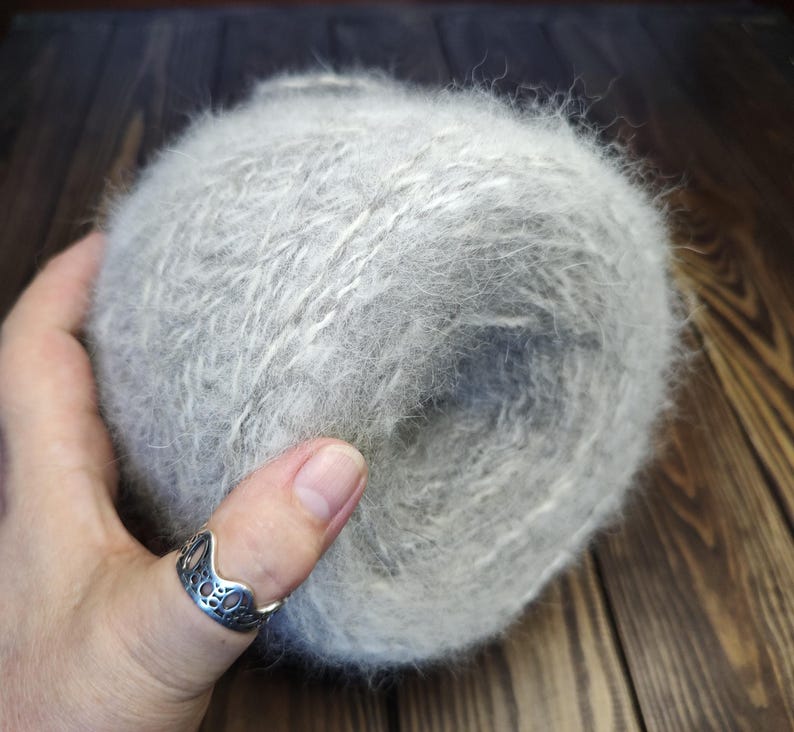
The Spinning Process: Techniques for Crafting Chiengora Yarn
Spinning cat fur into yarn is where the magic truly happens. The process requires a spinning wheel or a drop spindle, along with a light touch and a patient hand. Because cat fur is so fine, it’s best spun with a short draw technique, which allows you to control the fiber more precisely. Start by drafting a small amount of fiber from the batt, keeping the twist even and consistent. The key is to spin the yarn tightly enough to hold together but loosely enough to maintain its softness.
If you’re using a drop spindle, the process is slower but equally rewarding. The weight of the spindle helps draft the fiber as you spin, but it requires a steady hand to keep the yarn from breaking. For those using a spinning wheel, a fine orifice and a light tension setting will help prevent the delicate fibers from snapping. It’s also helpful to use a leader yarn—a length of stronger yarn attached to the bobbin—to ease the cat fur into the spinning process without straining the fibers.
One of the challenges of spinning cat fur is its lack of elasticity. Unlike wool, which has natural crimp, cat fur fibers are straight and smooth, making them prone to breakage. To mitigate this, some spinners choose to ply their yarn, twisting two or more singles together to create a stronger, more balanced yarn. Plying also adds a subtle texture and depth to the final product, enhancing its visual appeal. For a truly unique touch, consider combining your chiengora with a contrasting fiber, such as silk or bamboo, to create a marled or spiral yarn that’s as beautiful as it is functional.
Designing with Chiengora: Projects and Styling Tips
Once you’ve spun your cat fur into yarn, the real fun begins: transforming it into something wearable. Chiengora is incredibly versatile, lending itself to a variety of projects that highlight its unique qualities. For beginners, a simple scarf or cowl is an excellent starting point. The lightweight, breathable nature of the yarn makes it perfect for layering, while its hypoallergenic properties ensure comfort even for sensitive skin. A well-designed scarf can showcase the subtle sheen and texture of the yarn, turning it into a conversation piece.
For more experienced spinners, cat yarn can be used to create intricate lace shawls, delicate baby booties, or even lightweight sweaters. The key is to choose a pattern that complements the yarn’s characteristics. Avoid tightly knit or heavily textured designs, as these can overwhelm the softness of the fiber. Instead, opt for openwork stitches, cables, or simple stockinette to let the yarn shine. If you’re feeling adventurous, try weaving a lightweight fabric for a scarf or a wall hanging, experimenting with different weave structures to highlight the yarn’s drape and luster.
Styling chiengora is all about embracing its natural elegance. The yarn’s softness and subtle sheen make it ideal for minimalist, bohemian, or even avant-garde designs. Pair a cat yarn scarf with a tailored coat for a juxtaposition of textures, or drape it over a chunky knit sweater for a cozy, eclectic look. Because each skein is unique, your finished piece will be a one-of-a-kind treasure, imbued with the spirit of your feline companion.
Preserving the Legacy: Caring for Your Chiengora Creations
Like all handspun yarns, chiengora requires a bit of extra care to ensure it lasts for years to come. Because the fibers are so fine, they can be prone to pilling or felting if not handled properly. Always hand-wash your chiengora garments in cool water with a gentle detergent, and lay them flat to dry to prevent stretching. Avoid wringing or twisting the fabric, as this can distort the fibers and cause them to lose their softness.
When storing your chiengora pieces, keep them in a breathable fabric bag or a cedar-lined drawer to protect them from moths and moisture. Avoid hanging knits, as this can cause them to stretch out of shape over time. Instead, fold them neatly and store them in a cool, dry place. With proper care, your chiengora creations will become cherished heirlooms, passed down through generations as a testament to the bond between you and your cat.
The journey from shed fur to handspun yarn is one of transformation, creativity, and connection. It’s a process that turns the ordinary into the extraordinary, the mundane into the magical. Chiengora is more than just a fiber—it’s a celebration of sustainability, a tribute to the bond between humans and their pets, and a testament to the beauty that can be found in the most unexpected places.
So the next time your cat sheds a tuft of fur on your sweater, don’t toss it aside. Instead, see it as a gift—a tiny, fleeting treasure waiting to be spun into something extraordinary. With patience, practice, and a little bit of love, you’ll create a yarn that’s as unique as your feline friend, a yarn that carries the warmth of your home and the quiet magic of the spinning wheel. Welcome to the world of chiengora. Your adventure awaits.


Leave a Comment